버크셔해서웨이 연례행사 2025년 전체영상 번역 + 추가설명링크 3.
돌연변이
2025.05.06조회수 6회
돌연변이
구독자 333명구독중 76명
지혜로운 사람이 되고 싶습니다.
"I may be paranoid, but not an android"
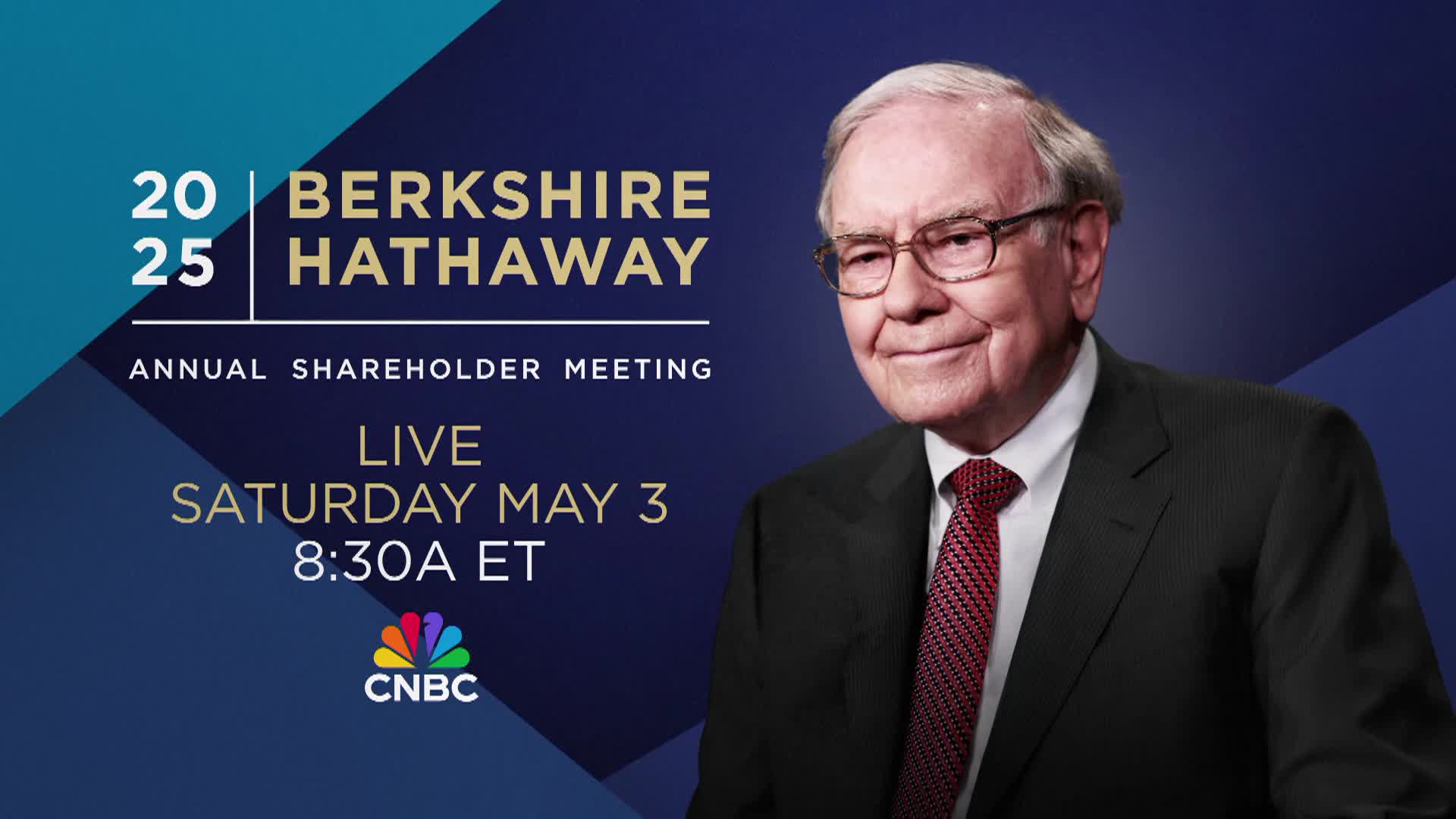
원본영상: CNBC https://www.youtube.com/live/1LWBphTImy4?si=mdF9C8218V3QZKew&t=1998 1 시작
Becky : "Uh this is a question from Mark Bonnke and Helen Friedrien in Rapid City, South Dakota.
As the US dollar quickly loses value in relation to other foreign currencies in 2025, is Berkshire Hathaway taking steps to minimize this currency risk and its impact on quarterly and annual earnings?
If so, please explain.
And I'll just add from Mary Chang, another shareholder:
Berkshire currently borrows in Japanese yen to offset its currency risk and its Japanese stock investments.
In the future, will you invest in foreign currency denominated assets unhedged?"
베키 : "사우스다코타주 래피드시티의 마크 본키와 헬렌 프리드리엔으로부터 온 질문입니다.
2025년에 미국 달러화가 외국 통화 대비 빠르게 가치가 하락하고 있는 상황에서, 버크셔 해서웨이는 이 환위험 및 그로 인한 분기별·연간 수익에 대한 영향을 최소화하기 위해 어떤 조치를 취하고 있나요?
만약 그렇다면, 그 내용을 설명해 주세요.
그리고 주주 메리 창으로부터 온 질문도 덧붙이자면:
버크셔는 현재 일본 주식 투자에 따른 환위험을 상쇄하기 위해 일본 엔화로 차입을 하고 있습니다. 앞으로는 환헤지 없이 외화 표시 자산에 투자할 계획이 있나요?
Buffet: "Yeah. Well, we always have um pretty much uh the Japanese situation is different because we we do intend to stay so long with that position and the funding situation is so cheap that we essentially have have attempted to some degree to to match purchases against yen denominated of funding.
But that's not a policy of ours. In fact, that's the first time we've done that. And we've owned lots of securities in foreign currency. So we do nothing in terms of the question about its impact on quarterly and annual earnings.
We don’t do anything based on its impact on quarterly and annual earnings. I mean, there’s never been a board meeting I can remember or a conversation I had with Charlie where I said, “If we do this, our annual earnings will be this, and therefore we ought to.” Whether it’s accounting or anything—You know, the number will turn out to be what it'll be. What counts is where we are five or ten or twenty years from now.
And if you start focusing on what number you’re going to produce, you will quickly get tempted—at least based on the experience I’ve seen from viewing 20 companies—you’ll get so you’ll one way or another play around with the numbers. And sometimes seriously play around with the numbers. And I’ve seen people that, you know, I trust in all kinds of other ways, but they regard playing around with numbers as perfectly okay.
That’s just not something—we just don’t think about that.Actually, the behavior of the yen in the last quarter resulted in certain GAAP charges, but it doesn’t make any difference. It’ll change next month or next year.
Obviously, we wouldn’t want to be owning anything that we thought was in a currency that was really going to hell. And that’s the big thing we worry about with the United States currency.
The tendency of a government to want to debase its currency over time—there’s no system that beats that.
You can pick dictators, you can pick representatives, but there will always be a push toward weaker currencies.
As I mentioned very briefly in the annual report, fiscal policy is what scares me in the United States, because the system is made the way it is. And all the motivations are to do a lot of things that will cause trouble with money.
That’s not limited to the United States—it’s all over the world. In some places it gets out of control regularly. They devalue at rates that are breathtaking. People can study economics and have all kinds of arrangements, but in the end, if you’ve got people who control the currency, you can issue paper money—and you will. Or you can engage in clipping currencies like they used to centuries ago.
There will always be people—and it’s the nature of their job, I’m not singling them out as evil—but the natural course of government is to make the currency worth less over time. That has important consequences. And it’s very hard to build checks and balances into the system to keep that from happening. We’ve had a lot of fun here in the last 100 days—first 100 or last 100, however you want to look at it—watching what happens when people try to avoid fiscal risks.
That game isn’t over, and it never will be over in finality. If you search “great inflations of post-WWII,” the list goes on forever. The same names keep popping up.
Currency is a scary thing. We don’t have any great system for beating that. We do in this particular Japanese position, because we expect to hold it for 50 or 100 years or more. And we will be owning something denominated in yen and easily predictable. As long as the carry on it is right and everything, we will attempt to issue yen-denominated liabilities. But that’s not because of anything we care about in terms of quarterly or annual earnings.
Greg, do you have anything to say on that?"
버핏: "네. 음, 일본에 대한 상황은 좀 다릅니다. 왜냐하면 우리는 그 포지션을 매우 오랫동안 유지할 계획이고, 자금 조달 비용이 매우 저렴하기 때문에, 기본적으로 어느 정도는 엔화 표시 자금과 매수를 맞추려는 시도를 해왔습니다.
하지만 그게 우리 회사의 일반적인 방침은 아닙니다. 사실, 그런 방식으로 한 건 이번이 처음입니다. 우리는 외화 표시 증권을 많이 보유해왔습니다. 그래서 분기나 연간 실적에 영향을 줄 것이라는 질문에 대해서는 아무런 조치를 취하지 않습니다.
우리는 분기나 연간 실적 수치에 기반한 의사결정을 하지 않습니다. 제가 기억하는 한 이사회 회의에서도, 찰리와의 대화에서도 "이걸 하면 연간 실적이 이만큼 될 테니까 이렇게 해야 한다"는 식의 말은 단 한 번도 한 적이 없습니다. 회계든 뭐든 간에 말이죠. 숫자는 그냥 나올 대로 나올 뿐입니다. 중요한 것은 지금이 아니라 5년, 10년, 20년 후 우리가 어디에 있는가입니다.
만약 당신이 단기적인 숫자에 집중하기 시작한다면, 제가 수십 개의 회사를 보면서 경험한 바로는, 곧 숫자를 조작하고 싶어질 겁니다. 어떤 경우에는 정말 심각한 수준으로 조작하게 되죠. 제가 다른 면에서는 신뢰했던 사람들조차도 숫자를 가지고 노는 것을 아무렇지 않게 여기는 경우를 봤습니다.
하지만 우리는 그런 식으로는 절대 생각하지 않습니다. 실제로, 지난 분기에는 엔화의 움직임 때문에 GAAP(일반회계기준)상 일부 손실이 반영되었지만, 아무 의미도 없습니다. 다음 달이면 또 바뀔 것이고, 내년이면 또 바뀔 겁니다.
물론, 우리가 가치가 완전히 붕괴될 것 같은 통화로 자산을 보유하고 싶지는 않습니다. 그리고 그것이 바로 우리가 미국 달러에 대해 우려하는 가장 큰 이유입니다.
시간이 지남에 따라 정부는 자국 통화를 평가절하하려는 경향이 있습니다. 어떤 체제도 그것을 막지 못합니다. 독재자를 뽑든, 국회의원을 뽑든 관계없이 항상 통화를 약하게 만들고자 하는 압력은 존재합니다.
제가 연례 보고서에서 간략히 언급했지만, 미국에서 제가 가장 우려하는 것은 바로 재정 정책입니다. 왜냐하면 그 시스템이 그렇게 설계되어 있고, 돈과 관련해 문제가 될 만한 유인을 너무 많이 제공하기 때문입니다.
물론 이 문제는 미국에만 국한된 것이 아닙니다. 전 세계적으로 그렇습니다. 어떤 나라들은 정말 숨 막힐 정도의 속도로 통화를 평가절하하곤 합니다. 사람들은 경제학을 공부하고 각종 제도를 만들 수는 있지만, 결국 통화를 통제하는 사람이 있다면 지폐를 발행하게 됩니다. 그리고 실제로 발행하게 되죠. 과거에는 동전을 잘라내는 방식(clip currency)으로도 통화를 조작했었습니다.
이런 행동을 하는 사람들은 언제나 존재합니다. 그게 그들의 업무 본질이고, 저는 그들을 악의적이라고 지적하려는 게 아닙니다.
하지만 정부라는 조직의 자연스러운 방향은 시간이 지날수록 자국 통화의 가치를 떨어뜨리는 것입니다. 이건 매우 중대한 결과를 초래합니다. 그리고 이런 일이 발생하지 않도록 시스템에 견제와 균형을 구축하는 것은 매우 어렵습니다. 우리는 지난 100일 동안, 그게 처음 100일이든 마지막 100일이든 상관없이, 사람들이 재정 위험을 피하려고 할 때 어떤 일이 벌어지는지를 보며 흥미롭게 지켜봤습니다.
이 게임은 아직 끝나지 않았고, 영원히 끝나지 않을 것입니다. "제2차 세계대전 이후의 대인플레이션"을 검색해보면 리스트가 끝이 없습니다. 그리고 똑같은 나라 이름들이 반복해서 나옵니다.
통화 가치는 정말 무서운 것입니다. 우리는 그것을 완벽하게 방어할 수 있는 방법을 갖고 있진 않습니다. 하지만 일본 투자 포지션에 한해서는 예외입니다. 우리는 그 자산을 50년, 100년 이상 보유할 계획이기 때문에 예측 가능한 방식으로 엔화 표시 자산을 보유하게 될 것입니다. 차입 비용이 괜찮고 모든 조건이 맞는 한, 우리는 엔화 표시 부채를 발행할 것입니다. 하지만 이것도 어디까지나 분기나 연간 수익을 고려한 것이 아닙니다.
Greg, 이 점에 대해 덧붙일 말이 있나요?"
Greg: "I was just going to say that relative to the question that there’s no question we were fundamentally very comfortable with investing in the five Japanese companies and recognizing we’re investing in yen. The fact we could then borrow in yen was almost just like a nice incremental opportunity, but we were very comfortable both with the Japanese companies and with the currency we would ultimately realize—i.e., in the yen."
그렉: "그 질문과 관련해서 제가 말씀드리고 싶었던 건, 저희는 기본적으로 일본의 5개 기업에 투자하는 데 매우 큰 확신을 가지고 있었고, 그 투자가 엔화 기반이라는 사실도 충분히 인지하고 있었다는 점입니다. 이후 엔화로 차입을 할 수 있게 된 것은 거의 덤처럼 주어진 좋은 추가 기회였고, 저희는 일본 기업들에도, 그리고 궁극적으로 수익을 실현하게 될 통화, 즉 엔화에도 매우 큰 확신을 갖고 있었습니다."
Buffett: "Yeah, we only made—as I referred to earlier—one big currency play, which was connected a little bit with when I wrote that article for Fortune, and we got long 12 other currencies, as I remember. Only four or five of them were really big currencies. But when I say we got long, it means we were short the dollar. And so we held that position for a couple of years, and we made several billion dollars on it, which was significant to us then—still is.
Charlie always felt that if he had to pick an area outside of stocks in which to invest—and he knew a lot about bonds, he knew a lot about real estate, he knew a lot about a lot of things—but he said he thought he could make a lot of money out of being in foreign currency.
But we've done it once. It's not inconceivable we would do it again, but it's unlikely. There could be things happen in the United States that would make us want to own a lot of other currencies. And I suppose if we made some very large investment in a European country or something, there might be a situation where we would do a lot of financing in their currency.
But it was something that just was sort of obvious to do in the Japanese situation, where we had the ability to borrow at a very, very low carrying cost, and we felt very good about the income we’d be receiving from these securities.
And if the present condition—which it won’t, I mean it never does—prevailed for decades and decades,
we would probably keep doing the same sort of thing. But things change in the world too. So don’t take that as a prediction. Okay, section 6"
버핏: " 네, 제가 앞서 언급한 것처럼 저희가 한 번 딱 큰 외환 거래를 한 적이 있습니다. Fortune지에 제가 글을 썼을 때와도 약간 관련이 있었고요. 그때 저희는 12개 통화에 대해 ‘롱 포지션’을 잡았는데, 실제로는 그중 4~5개만 주요 통화였습니다. 제가 ‘롱 포지션’이라고 말하는 건, 결국 달러에 대해 숏 포지션을 취했다는 뜻입니다. 저희는 그 포지션을 몇 년간 보유했고, 그로 인해 수십억 달러의 수익을 올렸습니다. 그때 당시에도 의미 있는 규모였고, 지금도 그렇습니다.
찰리는 주식 외에 다른 분야에 투자해야 한다면 외환에 투자해서 큰돈을 벌 수 있을 거라고 늘 생각했어요. 그는 채권도 잘 알고 부동산도 잘 알고, 다양한 분야에 정통했죠.
그런데 실제로 저희가 외환 거래를 한 건 딱 한 번뿐입니다. 다시 하지 말란 법은 없지만 가능성은 낮습니다. 미국에서 어떤 일이 벌어진다면 다른 통화를 많이 보유하게 될 가능성도 있겠지만요. 예를 들어 유럽 국가에 아주 큰 투자를 하게 된다면 해당 통화로 자금을 조달하게 될 수도 있겠죠.
하지만 일본의 경우는 너무 명백했습니다. 매우 낮은 조달금리로 자금을 빌릴 수 있었고, 그 증권들로부터 받을 수익에 대해선 상당한 확신이 있었어요.
그리고 만약 지금의 조건이—물론 그런 일은 없겠지만— 수십 년 동안 지속된다면 저희는 아마 계속 그렇게 할 겁니다. 하지만 세상은 변하죠. 그러니 이걸 예측으로 받아들이지는 마세요. 그럼 6구역으로 갑시다."
2024년 연례 보고서에서 재정 정책에 관한 글귀 (p 11):
Paper money can see its value evaporate if fiscal folly prevails. In some countries, this reckless practice has become habitual, and, in our country’s short history, the U.S. has come close to the edge. Fixed-coupon bonds provide no protection against runaway currency.
재정적 어리석음이 만연하면 지폐는 그 가치가 증발할 수 있습니다. 어떤 나라에서는 이러한 무모한 관행이 습관화되었으며, 우리나라의 짧은 역사에서 미국은 벼랑 끝에 가까이 다가섰습니다. 고정 쿠폰 채권은 폭주하는 통화에 대한 보호 기능을 제공하지 않습니다
Attendee(Dash Boyinder): "Uh good morning Warren and Greg Ajit. Thank you so much for hosting this event. Good to be here. My name is Dash Boyinder and I'm from the great country of Mongolia. A little bit of background about my country: Mongolia is an emerging market and landlocked country sandwiched between Russia and China. But we are rich in history and minerals and have full democracy and a growing economy.
Last week, we hosted our second annual Mongolia Investor Conference in New York to attract investors like yourself. I know you meet and give advice informally to government leaders such as South Korea, China, and India.
What advice would you give to government and business leaders of emerging markets like Mongolia
to attract institutional investors like yourself?
It’d be great if you have long-term plans for exposure to emerging markets as a hedge or an opportunistic investment. Lastly, I welcome all of you to Mongolia, and my country folks would be very happy if you can make it to our Economic Forum this July."
참가자(Dash Boyinder): "워런, 그렉, 아짓 님, 안녕하세요. 이 행사를 개최해 주셔서 진심으로 감사드립니다. 이 자리에 오게 되어 기쁩니다. 제 이름은 대시 보인다(Dash Boyinder)이고, 저는 위대한 나라 몽골 출신입니다. 제 나라에 대해 간단히 말씀드리자면, 몽골은 러시아와 중국 사이에 끼어 있는 내륙국이자 신흥 시장 국가입니다. 그러나 우리는 풍부한 역사와 광물 자원을 보유하고 있으며, 완전한 민주주의 체제와 성장 중인 경제를 갖추고 있습니다.
지난주에는 뉴욕에서 두 번째 ‘몽골 투자자 컨퍼런스’를 개최하여, 귀하와 같은 투자자들을 유치하고자 했습니다. 저는 귀하께서 한국, 중국, 인도와 같은 국가의 정부 지도자들과 비공식적으로 만나 조언을 해주시는 걸로 알고 있습니다.
그렇다면 귀하와 같은 기관 투자자들을 유치하기 위해 몽골과 같은 신흥 시장의 정부 및 비즈니스 리더들에게 어떤 조언을 해주시겠습니까?
또한, 신흥 시장에 대한 장기적인 투자 계획이 있으시다면 그것이 헤지 수단이든 기회주의적 투자이든, 듣게 되어 매우 기쁠 것입니다. 마지막으로, 여러분 모두를 몽골에 초대합니다. 저희 국민들은 여러분이 이번 7월 저희 경제 포럼에 참석해주신다면 매우 기뻐할 것입니다."
Buffett: "Oh, thank you. Yeah, I have trouble planning a trip to Council Bluffs, which is just a few miles from here,
but it takes an optimist. Actually, I met a fellow here at the annual meeting, oh, probably 20 years ago or more, who did a lot in Mongolia, and he did very well in Mongolia and actually moved there for quite a while.
I would say that if you're looking for advice to give the government over there, it's to develop a reputation for having a solid currency over time. We don't really want to go into any country where we think that there's a significant probability of runaway inflation. It's too hard to figure.
Other people have figured out ways to make money in hyperinflationary situations, but that's not our game, and I don't think I'd play it well. So, we wouldn’t be—we—that would be a factor with us.
The chances are we won’t find anything in Mongolia that fits our size requirements, aside from that. But like I say, I think my friend ...