20250511 News
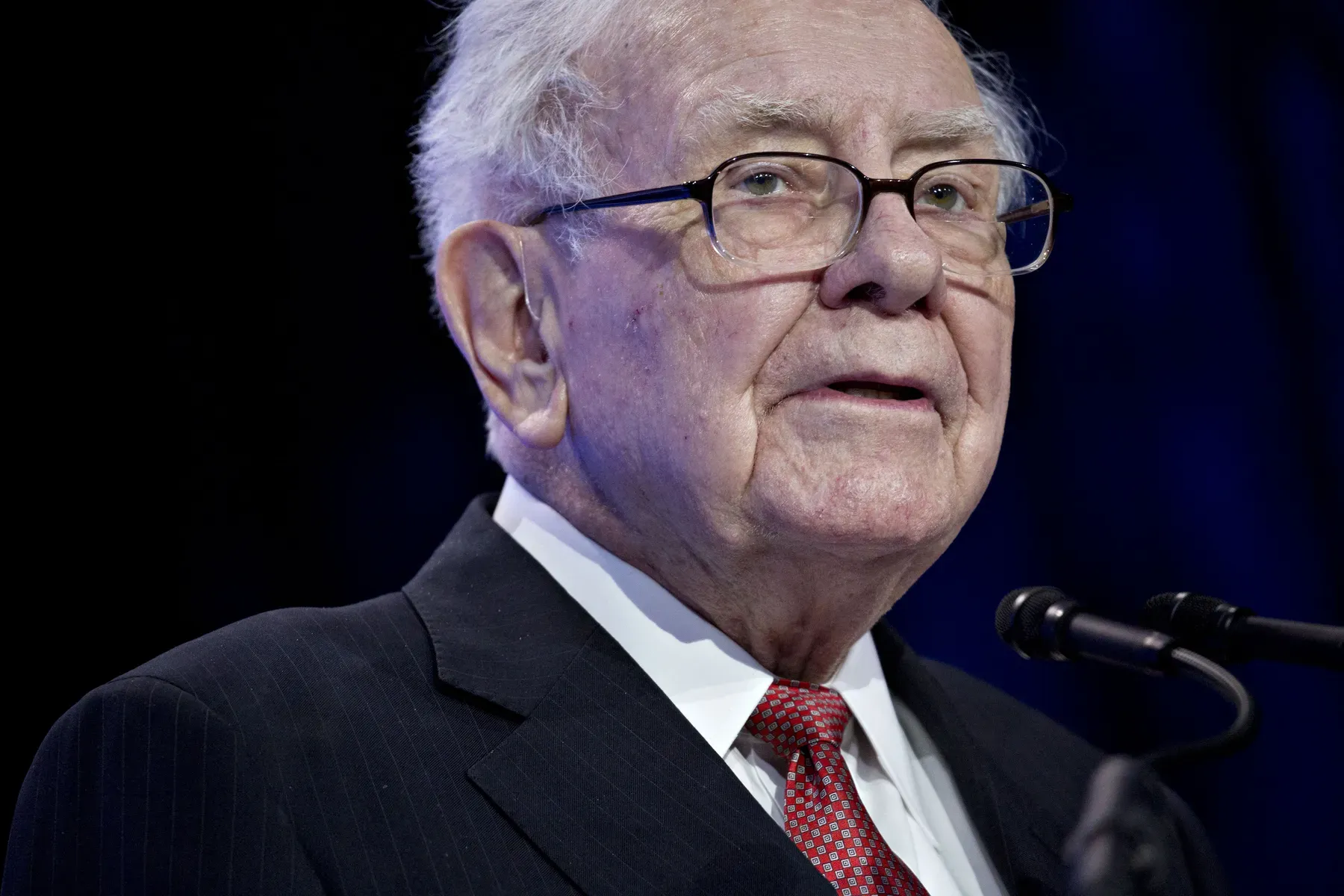
Warren Buffett Versus American Capitalism
https://www.bloomberg.com/opinion/articles/2025-05-09/warren-buffett-versus-american-capitalism
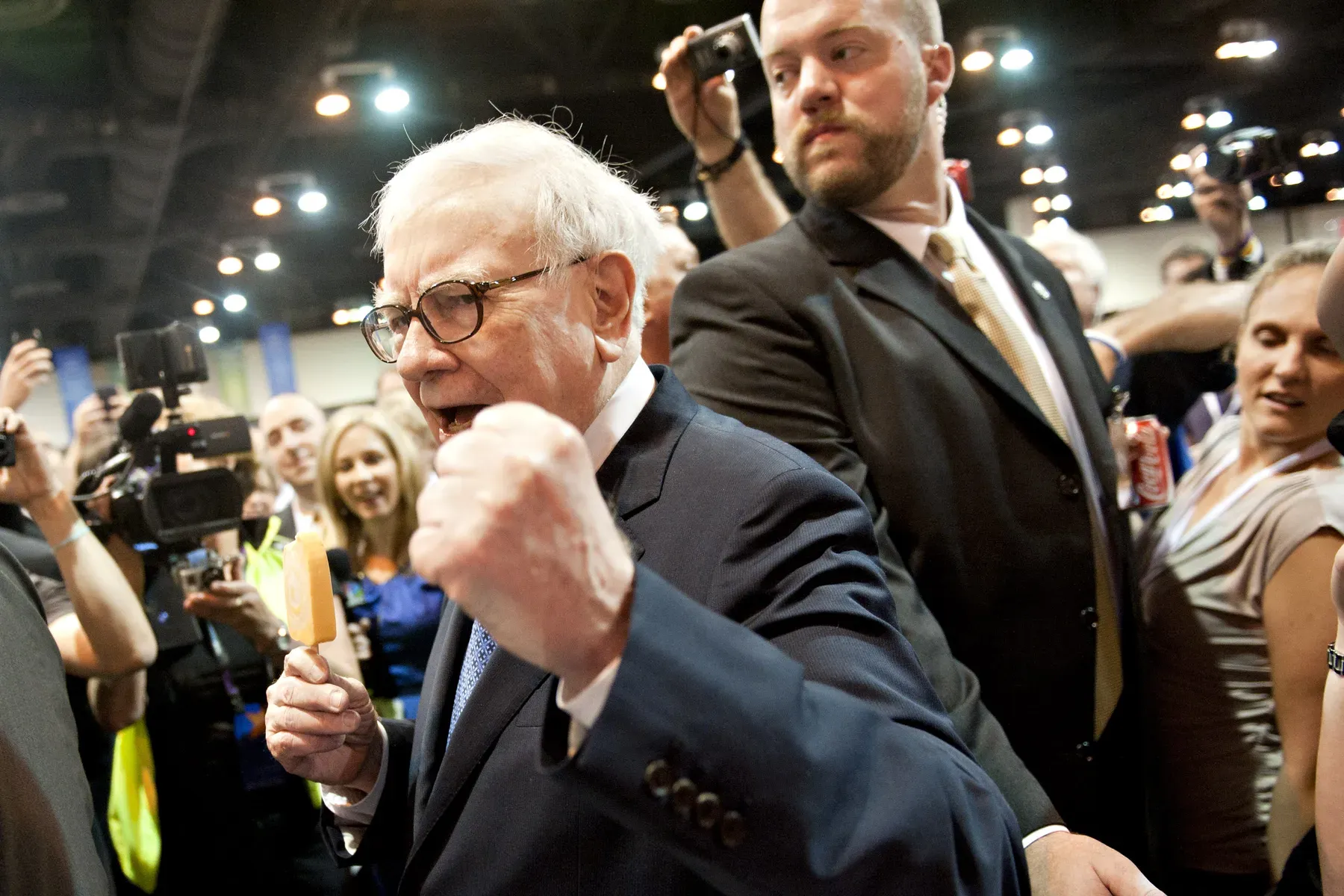
Warren Buffett, in the eyes of JPMorgan Chase’s CEO Jamie Dimon, represents “everything that is good about American capitalism and America itself — investing in the growth of our nation and its businesses with integrity, optimism, and common sense.”
Does he really?
JP모건 체이스 CEO 제이미 다이먼의 눈에는 워렌 버핏은 '청렴함과 낙관주의, 그리고 상식을 가지고 우리나라와 그 기업들의 성장에 투자하는 것, 즉 미국 자본주의와 미국 자체의 모든 좋은 것'을 대표하는 인물입니다.
정말 그럴까요?
Buffett the rebuke to Wall Street
Further, his greatness as an investor is indisputable. Generations of academics and financial journalists have tried to explain away what he does. Countless investors use his techniques without coming close to matching his returns. Compare his record to everyone else who has ever put money into the stock market, and Berkshire is such an outlier as to seem impossible. Just as the laws of physics allegedly prove that bees cannot fly, so the academic efficient-markets theories that underpin the management of trillions of dollars imply that Buffett is not just difficult but impossible. But bees fly, and Buffett beats the market.
This makes him a living rebuke to modern Wall Street. Investment management used to be about taking considered judgments, doing hard bottom-up work, and buying stakes in a few companies that appeared to be good. Managers who owned a stock also owned the company and behaved accordingly, rigorously acting as stewards of the executives.
Quantitative finance involves slicing and dicing in an attempt to make risk go away — and Buffett warned in 2003 that it created financial weapons of mass destruction. The Global Financial Crisis of 2008 proved him right, but the robotic approach still rules. Investors are driven by indexes. These days, they tend to say they are “overweight” a stock, not that they “own” it. The notion of ownership has become so frayed that when a manager is “underweight” (meaning the stake is smaller than its share in the index), they prefer it to do badly — even though they own it.
Rather than trust the quants, Buffett advises those of us who can’t devote our lives to picking stocks to stick with the index. That is an indictment of the huge industry that charges to invest your money.
게다가, 투자자로서 그의 위대함은 논쟁의 여지가 없습니다. 수세대에 걸친 학계 인사들과 금융 기자들이 그의 투자 방식을 해명하려 노력해왔습니다. 수많은 투자자들이 그의 기법을 사용하지만, 그의 수익률에는 근접하지도 못합니다. 그의 기록을 주식 시장에 돈을 투자해 본 다른 모든 사람들과 비교해 보면, 버크셔는 너무나 이례적이어서 불가능해 보일 정도입니다. 마치 물리학 법칙이 주장컨대 벌은 날 수 없음을 증명하는 것처럼, 수조 달러 규모 자산 운용의 기반이 되는 학계의 효율적 시장 이론은 버핏이 단지 어려운 존재가 아니라 불가능한 존재임을 시사합니다. 하지만 벌은 날고, 버핏은 시장 수익률을 능가합니다.
이것이 그를 현대 월스트리트에 대한 살아있는 질책으로 만듭니다. 과거의 투자 운용은 신중한 판단을 내리고, 철저한 상향식 분석 작업을 하며, 좋아 보이는 소수의 회사들에 지분을 사는 것에 관한 것이었습니다. 주식을 소유한 운용사(매니저)들은 회사 자체를 소유하기도 했고 그에 따라 행동하며, 경영진의 엄격한 관리자 역할을 수행했습니다.
계량 금융은 위험을 없애려는 시도로 자산을 자르고 쪼개는 것을 포함하며, 버핏은 2003년에 그것이 금융 대량살상 무기를 만들었다고 경고했습니다. 2008년 글로벌 금융 위기는 그의 말이 옳았음을 증명했지만, 로봇과 같은 접근 방식은 여전히 지배적입니다. 투자자들은 지수에 의해 움직입니다. 요즘에는 주식을 "소유"하고 있다고 말하는 대신, "비중 확대(overweight)" 하고 있다고 말하는 경향이 있습니다. 소유의 개념은 너무 해이해져서, 운용사가 "비중 축소(underweight)" 할 때(이는 해당 주식 비중이 지수 내 비중보다 작다는 의미입니다), 심지어 그 주식을 소유하고 있음에도 불구하고 나쁜 성과를 내기를 선호합니다.
퀀트(계량 분석가)들을 신뢰하기보다는, 버핏은 주식 선정에 평생을 바칠 수 없는 우리 같은 사람들에게 지수를 따르라고 조언합니다. 이는 당신의 돈을 투자해 주고 수수료를 받는 거대한 산업에 대한 비난입니다.
Buffett the monopolist
Nevertheless, there is a profound argument that Buffett is not “investing in the growth of our nation and its businesses,” to use Dimon’s phrase. Instead, he has depended on capitalism’s dirty secret; that success comes not through Schumpeterian creative destruction or competing frantically in innovative new businesses, but by not having to compete at all.
His famous search for companies with a “wide economic moat” is a folksy and charming way to say that he only wants impregnable monopolies. Once satisfied that a business’s defenses cannot be breached, he will buy. “The key to investing,” he once said, “is not assessing how much an industry is going to affect society, or how much it will grow, but rather determining the competitive advantage of any given company and, above all, the durability of that advantage.”
That philosophy is stamped throughout his portfolio. It led to stakes in Coca-Cola, whose brand is insuperable and can survive even a disastrous attempt to change its product; Gillette, which can sell overpriced blades to the captive market of men who have already bought its razors; and the trio of American Express, MasterCard and Visa, who have a chokehold on payments cards. Rather than picking the winner, Buffett saw they were oligopolists safe behind a moat and bought the lot.
The Berkshire version of capitalism pays little heed to benefits for society. Favored sectors include candy (See’s), fast food (Domino’s Pizza and International Dairy Queen), fossil fuels (Chevron and Occidental Petroleum), executive jets (NetJets), and jewelry (Helzberg Diamonds).
Nothing in the Berkshire portfolio has built the kind of transformative products that underpin other massive personal fortunes, like Tesla, Google, Microsoft or Amazon. It’s not even obvious that they help the economy to grow.
그럼에도 불구하고, 다이먼의 표현을 빌리자면 버핏이 "우리나라와 그 기업들의 성장에 투자하고 있지 않다"는 심오한 주장이 있습니다. 대신에, 그는 자본주의의 더러운 비밀에 의존해왔습니다. 성공은 슘페터적인 창조적 파괴나 혁신적인 신사업에서 치열하게 경쟁하는 것을 통해서가 아니라, 전혀 경쟁할 필요가 없는 것에서 온다는 비밀 말입니다.
그가 "넓은 경제적 해자(economic moat)"를 가진 회사를 찾는 유명한 방식은, 자신이 난공불락의 독점 기업만을 원한다는 것을 소박하고 매력적으로 표현한 것입니다. 기업의 방어력이 뚫릴 수 없다고 확신하면, 그는 인수할 것입니다. 그는 한때 이렇게 말했습니다. "투자의 핵심은 특정 산업이 사회에 얼마나 영향을 미칠 것인지, 또는 얼마나 성장할 것인지를 평가하는 것이 아니라, 오히려 특정 기업의 경쟁 우위, 그리고 무엇보다도 그 우위의 지속성을 결정하는 것이다."
그러한 철학은 그의 포트폴리오 전반에 걸쳐 각인되어 있습니다. 이는 브랜드가 매우 강력하여 제품 변경의 재앙적인 시도조차 살아남을 수 있는 코카콜라, 이미 면도기를 산 남성이라는 고정 고객층에게 고가(高價)의 면도날을 팔 수 있는 질레트, 그리고 결제 카드 시장을 장악하고 있는 아메리칸 익스프레스, 마스터카드, 비자 세 곳에 대한 지분 투자로 이어졌습니다. 승자를 고르기보다는, 버핏은 그들이 해자 뒤에 안전한 과점 기업임을 보고 전부 사들였습니다.
버크셔식 자본주의는 사회를 위한 이익에는 거의 신경 쓰지 않습니다. 선호하는 부문에는 사탕(시즈 캔디), 패스트푸드(도미노 피자와 인터내셔널 데어리 퀸), 화석 연료(셰브론과 옥시덴탈 페트롤륨), 업무용 제트기(넷제츠), 보석(헬즈버그 다이아몬드) 등이 포함됩니다.
버크셔 포트폴리오에는 테슬라, 구글, 마이크로소프트 또는 아마존처럼 다른 엄청난 개인 자산의 기반이 되는 종류의 혁신적인 제품을 만든 기업은 없습니다. 심지어 그것들이 경제 성장에 도움이 된다는 것도 명백하지 않습니다.
Modern capitalists disdain this approach. Moats are “lame,” according to Elon Musk. In 2018, Tesla’s CEO said: “If your only defense against invading armies is a moat, you will not last long. What matters is the pace of innovation — that is the fundamental determinant of competitiveness.” Musk is now the world’s richest man, of course, but it begins to look as though he needs a moat.
현대 자본가들은 이러한 접근 방식을 경멸합니다. 일론 머스크에 따르면, 해자는 "시시한" 것입니다. 2018년, 테슬라 CEO는 이렇게 말했습니다. "침입하는 군대에 맞서는 유일한 방어가 해자라면, 오래 버티지 못할 것입니다. 중요한 것은 혁신의 속도입니다. 그것이 경쟁력의 근본적인 결정 요인입니다." 물론 머스크는 현재 세계 최고 부자이지만, 그가 해자를 필요로 하는 것처럼 보이기 시작합니다.
Buffett the honest custodian
Buffett is no latter-day JP Morgan, whose strategy of merging competitors to form trusts that can dictate prices led to the invention of antitrust. On the few times that Berkshire has made an acquisition in an attempt to find synergies, it hasn’t worked out. He follows all the rules scrupulously; in seven decades as an investor, he barely ever provoked even the slightest allegation of impropriety.
But Buffett does tend to pour capital into companies that antitrust authorities are suing, which are resented rather than admired. While making his investors — who indirectly include many pensioners and charities — much richer, he has contributed to the inequality and lack of competition that has left the American population disenchanted with its economic system. This is not destructive. But neither is it creative.
버핏은 가격을 좌우할 수 있는 트러스트를 형성하기 위해 경쟁사들을 합병하는 전략으로 반독점법의 탄생을 이끌었던 현대판 JP 모건이 아닙니다. 버크셔가 시너지 효과를 찾으려 인수한 몇 안 되는 경우에도, 그것은 잘 풀리지 않았습니다. 그는 모든 규칙을 철저하게 따릅니다. 투자자로서 70년 동안, 그는 아주 사소한 부적절 행위 혐의조차 거의 유발한 적이 없습니다.
하지만 버핏은 반독점 당국이 소송을 제기하고 있는 회사들에 자본을 쏟아붓는 경향이 있는데, 이러한 회사들은 존경받기보다는 오히려 반감을 삽니다. 간접적으로 많은 연금 수령자와 자선 단체들을 포함하는 그의 투자자들을 훨씬 더 부유하게 만들면서도, 그는 미국 국민들이 경제 시스템에 환멸을 느끼게 만든 불평등과 경쟁 부족에 기여했습니다. 이것이 파괴적인 것은 아닙니다. 하지만 그렇다고 창의적인 것도 아닙니다.
India, Pakistan End Hostilities After US Mediates Ceasefire
...