거의 토씨하나 버릴게 없는 알찬 인터뷰
사실상 전문번역
Q.
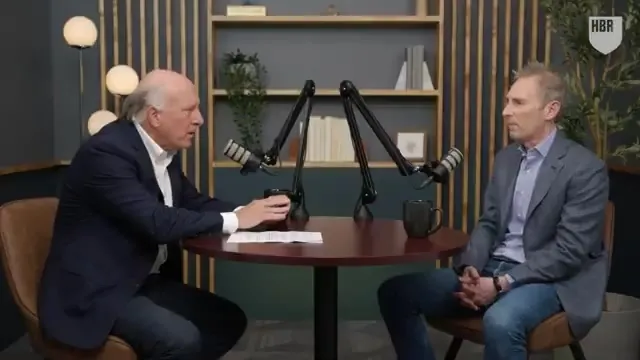
You've said that you want Amazon to operate like a startup, like a very large startup. And a lot of CEOs say that. And I'm interested, how do you try to make that happen? You're an enormous company with a lot going on. How do you try to make that work?
아마존이 스타트업처럼, 아주 큰 스타트업처럼 운영되기를 원한다고 말씀하셨습니다. 많은 CEO들이 그렇게 말합니다. 그리고 어떻게 그것을 현실로 만들려고 노력하는지 궁금합니다. 아마존은 진행되는 일이 많은 거대한 회사입니다. 어떻게 그것을 가능하게 하려고 노력하나요?
A.
We talk about wanting to operate like the world's largest startup. And I actually think Amazon already, based on our DNA and the way that we have become a company over the last 30 years, moves very quickly. But when you get larger, there are all sorts of ways that-- natural ways that you can get slowed down.
And so when we talk about operating like the world's largest startup, we think about a few things. One is I think in whatever we build, whatever we spend resources on, we have to make sure we're solving a real customer problem. And I think a lot of companies, technology companies in particular, fall in love with the technology.
And they are building things that they think are cool because they love the technology. But they get to the end, and they haven't really solved anything remarkable. And so you have to be-- startups are missionary about trying to solve problems for customers.
And that's what we've got to make sure we spend our time on. And then we need a lot of builders, disproportionately so. And I think of builders as people that to invent, people that to dissect a customer experience and figure out what's wrong with it, even if it's pretty good, and then rebuild it.
And then you need owners if you're going to be a startup. You need people to think about, what would I do if this were my money? What would I do if I owned all the resources? Hey, I see that I own this piece of the problem. I don't really know if the rest of it's solved.
Should I spend my time on it, or should I just assume someone's got it? You need people who really feel accountable. And it's part of what our effort in trying to flatten our organizations is about, is we want the people doing the work to think like owners. And then you really need speed.
And I think speed disproportionately matters in every business at every time. In my old job, when I was managing the AWS business, I had the privilege of speaking to a lot of CEOs of companies and enterprises. And they would often say to me something like, I don't know if you understand, we're big. We have security issues. We have compliance issues. We have lots of organizations that have to be involved.
We just can't move fast. And I think, honestly, that speed is a leadership decision. You can decide you want to move fast, but you have to figure out what's slowing you down and knock all those barriers out.
And you've got to get the whole organization aligned that you are going to move really fast, even if you make mistakes. And so I think part of that, too, is you're a larger company, is you have more people, is you need to really try to root out bureaucracy. Well-intended people, as you get bigger, especially as you have a lot of managers, they keep layering in processes.
And pretty soon you have process upon process upon process that really slows people down so they can't get the real work done. And then I would say the two other things you need if you want to operate like a startup is you've got to be scrappy. You can't think about every new project taking 50 to 100 people to do.
We started in our cloud computing business, AWS, our storage service, we had 11 people-- or 13 people-- when we started. Our compute service, EC2, we had 11 people. You can get going with a small number of people and build something that people actually find resonant, and then keep iterating from there.
And then I think you've got to nail-- you have to be willing to take risks. And I think that as companies get bigger, they often get very risk-averse. If you hire achievement-oriented type A people, which a lot of companies, including ourselves have, they're not used to failing.
And so a lot of times when they want to pursue something very different, they worry that they're going to be ostracized if they get it wrong. And so they'll play not to lose. And the only way to build something unique and different is to do something different from what people have done. And you have to be willing to take risks and be willing to fail sometimes.
우리는 세계에서 가장 큰 스타트업처럼 운영하고 싶다고 말합니다. 그리고 저는 실제로 아마존이 우리의 DNA와 지난 30년 동안 회사가 되어온 방식을 기반으로 이미 매우 빠르게 움직인다고 생각합니다. 하지만 회사가 커지면 속도가 느려질 수 있는 모든 종류의—자연스러운—방식들이 있습니다.
그래서 저희가 세계에서 가장 큰 스타트업처럼 운영하는 것에 대해 이야기할 때 몇 가지를 생각합니다. 하나는 무엇을 구축하든, 어떤 자원을 투입하든 실제 고객 문제를 해결하고 있는지 확인해야 한다는 것입니다. 그리고 많은 회사들, 특히 기술 회사들은 기술 자체와 사랑에 빠진다고 생각합니다.
그리고 그들은 기술을 좋아하기 때문에 멋지다고 생각하는 것들을 만듭니다. 하지만 결국에는 실제로 주목할 만한 아무것도 해결하지 못합니다. 따라서 스타트업은 고객 문제를 해결하기 위해 선교사처럼 노력해야 합니다.
그리고 그것이 우리가 시간을 들여 해야 할 일이라고 확신해야 합니다. 그리고 우리는 불균형적으로 많은 빌더(builder)들이 필요합니다. 그리고 저는 빌더를 발명하는 사람들, 고객 경험을 해부하고 그것이 꽤 좋더라도 무엇이 잘못되었는지 파악한 다음 다시 구축하는 사람으로 생각합니다.
그리고 스타트업이 되려면 오너(owner)들이 필요합니다. '이것이 내 돈이라면 어떻게 할까?' '모든 자원을 내가 소유하고 있다면 어떻게 할까?'를 생각하는 사람들이 필요합니다. '이 문제의 일부를 내가 소유하고 있다는 것을 알겠는데, 나머지가 해결되었는지 잘 모르겠네.
시간을 들여야 할까, 아니면 누군가가 알아서 했을 거라고 가정해야 할까?' 정말 책임감을 느끼는 사람들이 필요합니다. 그리고 그것이 저희가 조직을 평평하게 만들려는 노력의 일부입니다. 저희는 일하는 사람들이 오너처럼 생각하기를 원합니다. 그리고 정말 스피드가 필요합니다.
그리고 저는 속도가 모든 비즈니스에서 항상 불균형적으로 중요하다고 생각합니다. 예전 직책에서 AWS 사업을 관리했을 때, 많은 기업과 회사 CEO들과 대화할 특권이 있었습니다. 그리고 그들은 종종 저에게 이렇게 말하곤 했습니다. '이해하실지 모르겠지만, 우리는 대기업입니다. 보안 문제가 있습니다. 규정 준수 문제가 있습니다. 많은 조직이 관련되어야 합니다.'
우리는 그냥 빠르게 움직일 수 없습니다. 그리고 저는 솔직히 그 속도가 리더십의 결정이라고 생각합니다. 여러분은 빠르게 움직이기로 결정할 수 있지만, 무엇이 속도를 늦추는지 파악하고 그 모든 장벽을 제거해야 합니다.
그리고 비록 실수를 하더라도 정말 빠르게 움직일 것이라는 것에 대해 조직 전체가 동의하도록 해야 합니다. 그래서 저는 그것의 일부도 있다고 생각합니다. 더 큰 회사일수록 사람이 더 많아지고, 관료주의를 정말 근절하기 위해 노력해야 합니다. 회사가 커질수록, 특히 관리자가 많아질수록 선의를 가진 사람들도 계속해서 절차를 추가합니다.
그리고 곧 사람들을 정말 늦추는 절차 위에 절차 위에 절차가 쌓여서 실제 일을 제대로 할 수 없게 됩니다. 그리고 스타트업처럼 운영하고 싶다면 필요한 다른 두 가지는 끈질겨야 한다는 것입니다. 모든 새로운 프로젝트에 50명에서 100명이 필요하다고 생각해서는 안 됩니다.
저희 클라우드 컴퓨팅 사업인 AWS의 스토리지 서비스는 시작할 때 11명—아니면 13명—이었습니다. 컴퓨팅 서비스인 EC2는 11명이었습니다. 적은 수의 사람으로 시작해서 사람들이 실제로 공감하는 무언가를 만들고, 거기서부터 계속 반복할 수 있습니다.
그리고 저는 또 한 가지는 위험을 감수할 의지가 있어야 한다는 것입니다. 그리고 회사가 커질수록 종종 매우 위험 회피적이 된다고 생각합니다. 저희를 포함한 많은 회사들이 성취 지향적인 A형 인재들을 고용한다면, 그들은 실패에 익숙하지 않습니다.
그래서 그들이 매우 다른 무언가를 추구하고 싶을 때, 잘못하면 따돌림을 당할까봐 걱정하는 경우가 많습니다. 그래서 그들은 지지 않기 위해 경기를 할 것입니다. 그리고 독특하고 다른 무언가를 구축하는 유일한 방법은 사람들이 해왔던 것과 다른 일을 하는 것입니다. 그리고 위험을 감수하고 때로는 실패할 의지가 있어야 합니다.
Q.
When you talk about really being customer-focused or focusing on an outcome that your customers have, that sounds like it might not necessarily be consistent with taking risks. That taking risks-- if you knew exactly what your customers want, you would deliver that, and that's not risky. You're probably trying to skate ahead and figure out what are the demands that customers don't even know they have yet, that's part of the risk-taking. So how do you square those two things?
정말 고객 중심적이라고 하시거나 고객이 얻게 될 결과에 초점을 맞춘다고 하셨는데, 그것이 위험을 감수하는 것과는 반드시 일치하지 않는 것처럼 들립니다. 위험을 감수한다는 것은—고객이 무엇을 원하는지 정확히 안다면 그것을 제공할 것이고, 그것은 위험하지 않습니다. 여러분은 아마도 앞서 나아가서 고객조차 자신이 가지고 있다는 것을 모르는 요구사항이 무엇인지 파악하려고 노력할 것이고, 그것이 위험 감수의 일부일 것입니다. 그렇다면 이 두 가지를 어떻게 조화시키나요?
A.
Yeah. I think they're actually pretty consistent, though. I mean, there's listening to customers.
Customer-- actually, if you find the right feedback loops, customers will tell you what's wrong with your product or what's wrong with their experience, and they want to change. So there's listening to customers. And oftentimes, customers can tell you the top 10 things in their mind they wish they were different.
But if you ask the right "why" questions on what you're trying to solve, a lot of times customers will tell you what really is bothering them, what's really constraining them. And they can't sometimes tell you exactly how you should fix it. But if you're listening to them, and you understand the need, then you can invent on their behalf, which is a lot of what we do.
A lot of the invention we do is listening to something customers are really struggling with. And they won't tell you how to do it. But we start asking ourselves, why do those constraints have to happen, and start to invent on their behalf.
네. 제 생각에는 사실 그것들이 꽤 일관성이 있다고 봅니다. 제 말은, 고객의 말을 듣는 것이 있습니다.
고객—사실, 올바른 피드백 루프를 찾는다면 고객은 여러분의 제품에 무엇이 잘못되었는지, 또는 그들의 경험에 무엇이 잘못되었고 바꾸고 싶어하는지를 알려줄 것입니다. 그래서 고객의 말을 듣는 것이 중요합니다. 그리고 종종 고객은 그들이 가장 바꾸고 싶어하는 상위 10가지 사항을 말해줄 수 있습니다.
하지만 해결하려는 문제에 대해 올바른 '왜(why)' 질문을 한다면, 많은 경우 고객은 그들을 정말 괴롭히는 것, 그들을 정말 제약하는 것이 무엇인지 알려줄 것입니다. 그리고 그들은 때때로 여러분에게 그것을 정확히 어떻게 고쳐야 할지는 말해주지 못할 수 있습니다. 하지만 여러분이 그들의 말을 듣고 필요를 이해한다면, 그들을 대신하여 발명할 수 있으며, 그것이 저희가 하는 일의 대부분입니다.
저희가 하는 발명의 많은 부분은 고객이 정말 어려움을 겪고 있는 무언가에 귀 기울이는 것입니다. 그리고 그들은 어떻게 해야 할지는 말해주지 않을 것입니다. 하지만 우리는 스스로에게 '왜 그런 제약이 있어야 하는가?'라고 묻기 시작하고 그들을 대신하여 발명을 시작합니다.
Q.
So you seem to be in the middle of what is either rethink in terms of management or maybe culture. So I mean, some of the things I'm aware of, you're rethinking the role of middle management. You've adjusted expectations for how teams are meant to work together. You've got people back in the office, I think, all of them five days a week now. What animates-- what's behind all of these steps?
그렇다면 경영이나 어쩌면 문화적인 측면에서 재고(rethink)하는 과정의 한가운데에 계신 것 같습니다. 제 말은, 제가 아는 몇 가지 사실은, 중간 관리자의 역할을 재고하고 계시고, 팀이 함께 일해야 하는 방식에 대한 기대치를 조정하셨으며, 사람들을 다시 사무실로 복귀시키셨는데, 이제 모두 주 5일 근무하는 것 같습니다. 무엇이—이 모든 단계의 이면에 있는 동기는 무엇인가요?
A.
Well, I think the first thing I would say is if you-- most companies that have been successful for any period of time have a culture that's been a key part of their success. And that is for sure true with Amazon.
And I think we have a really strong culture. But it is not our birthright to keep having a strong culture. You have to-- things change-- size of companies change, the scope of businesses you're going after change, the geographic distribution of your people change.
And you have to keep working on strengthening the parts of your culture that you see being stretched if you want to keep being successful culturally. And for us, it comes back to this notion of wanting to operate like the world's largest startup. Amazon has hired really smart, really ambitious, really motivated people who we have given a lot of responsibility to as owners.
And then we let them make the lion's share of the two-way door decisions. The two-way door decision is one where if you walk through it and you're wrong, you can walk back through it and no harm. A one-way door decision is when you walk through that door and you're wrong, it's really hard to walk it back.
But the two-way door decisions, which is the overwhelming majority of the decisions we all make, we want to be handled by the people doing the work and those owners. But as you get larger, as we have, as we've grown so much the last 10 years, you end up logically with a lot of managers and a lot of layers of managers. It's the way you organize yourself.
And so then you find that you end up with things like there's a pre-meeting for the pre-meeting for the pre-meeting for the decision meeting. Or you find that owners don't feel like they own the decision, can make the recommendation any way because-- anymore because that decision is going to be made three levels up. And so that's what we'd like to try and limit.
We really want our owners doing the real work, to own the two-way door decisions, and to be able to move quickly and autonomously. And that's part of this effort we've taken, which is to increase the ratio of individual contributors to managers by at least 15% across the company, which we'll beat by-- we have beaten already by the end of the first quarter. But we want to flatten our organizations to move faster and to drive more ownership.
음, 제가 먼저 말씀드리고 싶은 것은 만약 여러분이—어느 정도 기간 동안 성공해온 대부분의 회사들은 그 성공의 핵심적인 부분이 되어온 문화를 가지고 있다는 것입니다. 그리고 그것은 아마존에게도 확실히 사실입니다.
그리고 저희는 정말 강한 문화를 가지고 있다고 생각합니다. 하지만 강한 문화를 계속 유지하는 것은 우리의 타고난 권리가 아닙니다. 여러분은—상황이 변하고—회사의 규모가 변하고, 추구하는 사업의 범위가 변하고, 사람들의 지리적 분포가 변합니다.
그리고 문화적으로 계속 성공하고 싶다면 약해지고 있다고 보이는 문화의 부분들을 계속 강화하기 위해 노력해야 합니다. 그리고 저희에게는 이것이 세계에서 가장 큰 스타트업처럼 운영하고 싶다는 생각으로 귀결됩니다. 아마존은 정말 똑똑하고, 정말 야심 차고, 정말 의욕적인 사람들을 고용했으며, 저희는 그들에게 오너로서 많은 책임을 부여했습니다.
그리고 그들에게 양방향 문 결정(two-way door decisions)의 대부분을 내리게 했습니다. 양방향 문 결정이란 여러분이 그 문을 통과했는데 잘못되었더라도 다시 걸어 돌아올 수 있고 해가 되지 않는 결정입니다. 일방향 문 결정(one-way door decision)은 그 문을 통과했는데 잘못되면 되돌리기가 정말 어려운 결정입니다.
하지만 우리가 내리는 압도적인 ...