프리미엄
예측대회
투자분석
아카데미
커뮤니티
로그인Valley AI 시작하기시작하기
Valley Space인기
버크셔해서웨이 연례행사 2025년 전체영상 번역 + 추가설명링크 7.
Archive (a work in progress)읽을거리-책, 구루들의 이야기

버크셔해서웨이 연례행사 2025년 전체영상 번역 + 추가설명링크 7.

avatar
돌연변이
2025.05.11조회수 16회
avatar
돌연변이
구독자 333명구독중 76명
지혜로운 사람이 되고 싶습니다. "I may be paranoid, but not an android"


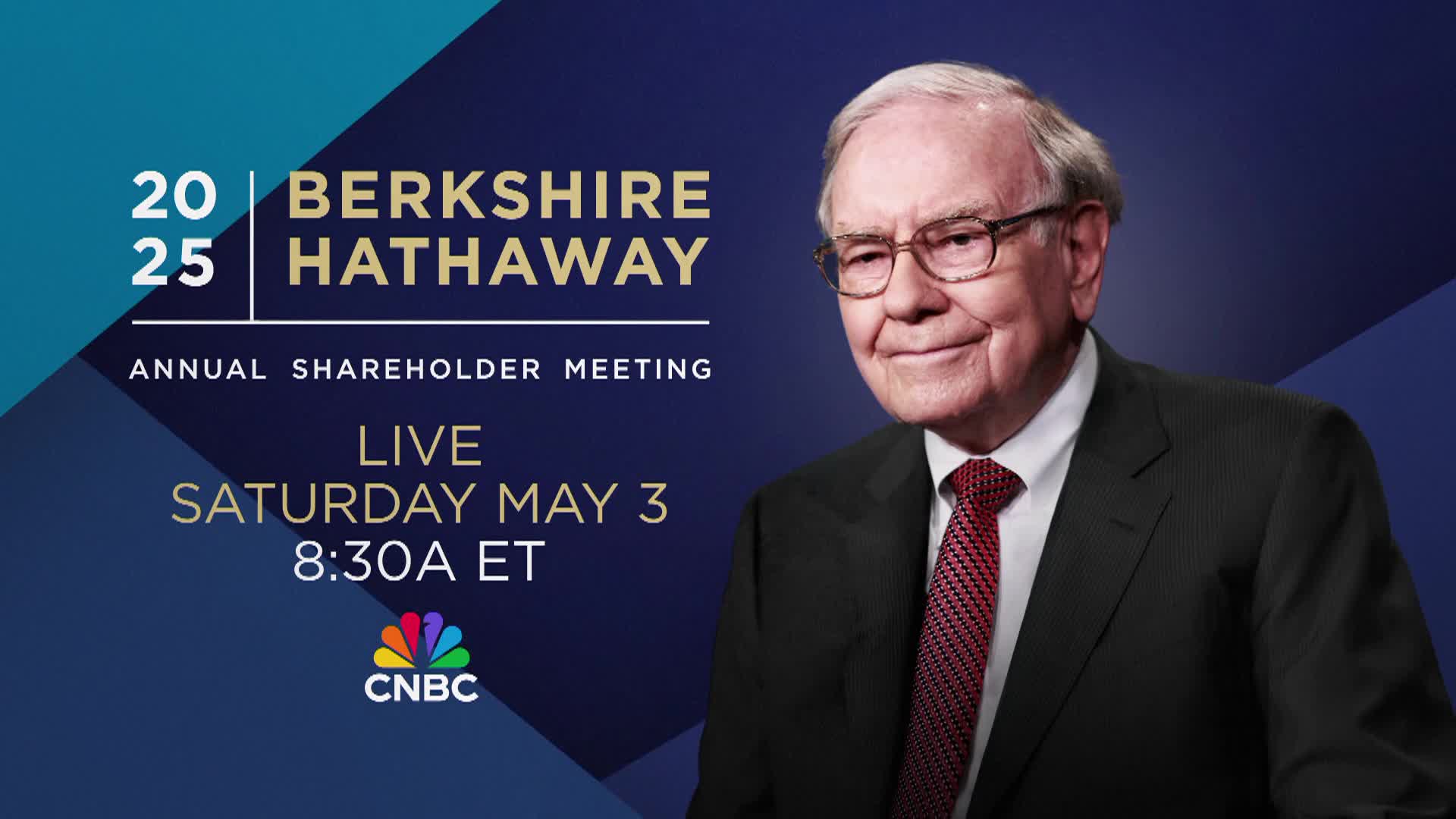
108139022-1746041465071-1746041327506-berkshire_hathaway_annual_meeting_2025_sat_may_3_15_1080p_.jpg

Q. 헬스케어 사업 종료이유, 미국의 건강보험 개혁 검토 가능성

Becky: "Uh, this question comes from Billy D. Ross. He writes,

Mr. Buffett, as a nurse from New York State, I've spent years struggling to secure good health insurance for myself, even while working on the front lines to save lives. In New York, accessing insurance means navigating a confusing state-run system that feels like it's designed to overwhelm. I'm curious, what ultimately led to the end of your healthcare venture with JP Morgan and Amazon? And given your commitment to value and long-term thinking, would you ever consider taking another look at health insurance reform in the US?"

베키: "이 질문은 빌리 D. 로스 씨가 보내셨습니다. 그는 다음과 같이 적었습니다.

버핏 회장님, 저는 뉴욕주에서 간호사로 일하면서 오랫동안 사람들의 생명을 구하기 위해 최전선에서 일했음에도 불구하고 저 자신을 위한 적절한 건강보험을 확보하는 데 많은 어려움을 겪었습니다. 뉴욕에서 건강보험을 이용하려면 혼란스럽고 압도적인 느낌이 드는 주정부의 복잡한 시스템을 헤쳐나가야 합니다. 저는 궁금합니다. 결국 JP모건, 아마존과 함께 추진했던 헬스케어 사업이 종료된 이유는 무엇입니까? 그리고 장기적 가치와 지속가능성에 전념하시는 회장님께서, 앞으로 다시 한번 미국의 건강보험 개혁을 검토해볼 가능성은 없으신지요?"

Buffett: "Yeah, we're spending close, it's hard to get the precise figure, but close to 20% of GDP on health. And if you go back to 1960, there were a number of countries that were each spending around 5%. And then the lines began to diverge dramatically. But the mathematical fact that there are only 100 percentage points in the equation didn't change.


So we tried that experiment with JP Morgan and Amazon and we had three people that didn't think they knew the answer but thought that in my case I use the term that it was a tapeworm in the economy. We also found out that the tapeworm was alive in every part of the country. I mean the hospitals liked it. The hospitals had prominent people working with people, people generally liked their doctor but didn't like the system. I mean all kinds of things.


But in the end, JP Morgan and Amazon and Berkshire were not going to have any effect on changing that 20%. Now that 20%, there are only 100 percentage points available and when other countries spend six or seven percent and perhaps use our system to their advantage, which is also very true, you know that is an enormous percentage of an economy and it was too entrenched to really do much in the way of change.


We spent some money on it and we did some work and we learned a good bit about our own systems and we saw the degree to which the present system was ingrained in so many people's—you know, whether the healthcare providers, whether everybody—and these aren't evil people, they're just going about something and trying to save lives.


But we found that whether it was in Canada or France or Britain or wherever it might be, that if you looked at our costs, that they were just far higher and to some extent we were subsidizing the rest of the world. And people would come to the United States to do the really unusual or challenging aspects of health in terms of operations and that sort of thing. But we made no progress.


There comes a point where the government's so involved in the situation and health is so important to most—to everybody—and we couldn't... as I said to Jamie and Jeff, I said well, the tapeworm won. There are problems of society when you get 20% of your GDP going into a given industry. The degree of enthusiasm for changing that industry, the political power that the industry will have—and that doesn't mean they're evil, it's just everybody ends up there.


We came to the conclusion we didn't know the answer—the three of us—and we had the money to do it and we didn't know how to change how 330 million people felt about their doctor, felt about our healthcare, what they felt entitled to. It won't change by itself, and government is the only one that can change it. The only people in government can change it are getting a majority of 435 people and 100 people.


My dad lost one election in his life in 1948. He was a very strong Republican and in 1950 he went back and beat the guy that beat him in 1948 and he got the doctors behind him and he did very well. They believe 100% in what they're doing. They're helping people every day. During the pandemic, the sacrifices made by people save other people—just incredible. Can you imagine working in something where they're bringing in people that are going to die by the dozens and dozens and dozens and you try to somehow keep your own morale up and keep working with them? You can't argue about the importance of it.


But our costs are so different than any country in the world that it’s a huge element. We're a very rich country. So we can do things other countries can't do. Through our elected representatives and a whole variety of things over time, we've developed a system that is enormously resistant to any kind of major change and it's important in every community that it's in.


So I wish we had an answer for you. I was somewhat pessimistic going in. I was a little more ...

회원가입만 해도
이 글을 무료로 읽을 수 있어요.

Basic 7일 무료 체험 시작하기
이미 계정이 있으신가요?로그인하기
댓글 0개
아직 작성된 댓글이 없습니다.
읽을거리-책, 구루들의 이야기 카테고리의 다른글

버크셔해서웨이 연례행사 2025년 전체영상 번역 + 추가설명링크 6.

원본영상: CNBC https://www.youtube.com/live/1LWBphTImy4?si=mdF9C8218V3QZKew&t=1998 Q. 대형 기술주에 대하여 Becky: "This question comes from Achie Patel, and it’s about the big-cap technology stocks. In the 2017 annual meeting, Warren, you said you really don’t need any money to run these companies and referred to them as ideal businesses — referring to big tech companies like Apple, Alphabet, Microsoft, and Amazon. Now, with all of those companies announcing massive capital investment endeavors, especially around AI ambitions, have you rethought that comment — in terms of them being asset-light — and what do you think of them as a result?" 베키: "이 질문은 아치 파텔이라는 분이 보낸 건데요, 대형 기술주에 관한 내용입니다. 워렌, 2017년 연례 주주총회에서 대형 기술기업들—예컨대 애플, 알파벳, 마이크로소프트, 아마존 같은—을 두고 “이런 회사들은 운영하는 데 돈이 거의 들지 않는다”고 하시면서, 이상적인 비즈니스라고 표현하셨죠. 그런데 지금은 그 모든 회사들이 AI 관련 야심을 중심으로 엄청난 규모의 자본 투자를 발표하고 있습니다. 이런 상황을 보시고, 예전 말씀—이 기업들이 자산 중심이 아니라는 점에서 '가벼운 구조'를 가진 이상적인 기업이라는—에 대해 다시 생각해보신 부분이 있으신가요? 그리고 지금은 이 기업들에 대해 어떻게 평가하고 계신가요?" Buffett: " Well, it’s always better to make a lot of money without putting up a lot of money than to make money with a lot of capital. Businesses that don’t require much capital — like Coca-Cola’s concentrate business — can generate fabulous returns, unlike the bottling side, which is capital-intensive with trucks and machinery. We love businesses that generate high returns on little capital. Ironically, the ones politicians complain about as "making too much" usually aren’t the ones with high returns on capital. Take property and casualty insurance — it’s capital-heavy as a guarantee fund, but it can support the acquisition of capital-light businesses like Apple. It’ll be interesting to see how capital intensity changes, especially for the “Magnificent Seven.” Apple, for instance, needed almost no capital for years and returned loads via buybacks. Whether that holds in an AI-driven future? We’ll see. Frankly, a lot of people get rich using other people’s money — money managers are a perfect example. If Berkshire charged a 1% management fee, shareholders would’ve paid $8 billion last year — for what? That’s why it’s a great business for those who manage money — they get paid no matter how performance turns out. Charlie and I once did that too, but at least we had our own money in the game. These days, many get overrides on other people’s money without risking their own. It’s not unethical — it’s capitalism. But it's worth understanding people's incentives. Capitalism in the U.S. is incredible — a cathedral of productivity. But it’s attached to a massive casino. It’s important that we keep feeding the cathedral, not just the casino, or we’ll lose sight of what really builds the country." 버핏: "많은 돈을 적은 자본으로 벌 수 있다면, 그건 많은 자본을 들여서 돈을 버는 것보다 훨씬 좋은 일이에요. 자본을 거의 들이지 않고 수익을 내는 비즈니스, 예를 들어 코카콜라의 원액(콘센트레이트) 사업 같은 건 정말 훌륭한 사업입니다. 반면에 병에 담고 유통하는 병입 사업은 트럭과 기계 같은 설비가 필요해서 자본집약적이죠. 우리는 적은 자본으로 높은 수익률을 낼 수 있는 사업을 좋아합니다. 정치인들이 “이익을 너무 많이 낸다”고 비판하는 사업들조차도, 실제 자본 수익률은 높지 않은 경우가 많습니다. 예를 들어 손해보험은 자본을 담보처럼 들고 있어야 하지만, 그 자본으로 애플처럼 자본이 덜 드는 비즈니스를 사들이면 좋은 조합이 됩니다. 그런 전략이 우리가 성공해온 이유 중 하나죠. ‘매그니피센트 세븐’ 기업들의 자본 지출은 확실히 예전보다 많아졌어요. 애플은 과거에 거의 자본 없이 성장했고, 자사주 매입도 대규모로 해왔죠. 앞으로도 그렇게 자본이 덜 드는 사업일지는 두고 볼 일입니다. 솔직히 말해서, 다른 사람의 자본으로 돈 버는 사람도 많습니다. 투자운용업이 대표적이에요. 만약 우리가 버크셔에서 1% 운용수수료를 받았다면, 주주들은 작년에 80억 달러를 냈을 겁니다. 근데 그럴 이유가 없잖아요? 자본 없이 다른 사람 돈으로 수수료만 받는 구조는 당연히 매력적인 비즈니스입니다. 저랑 찰리도 예전에 했던 일이에요. 다만 우리는 우리 돈도 같이 넣었고 손실도 같이 부담했죠. 그런데 요즘은 아무 자본도 안 넣고 수수료만 챙기는 경우도 많습니다. 이게 비윤리적인 건 아닙니다. 이게 바로 자본주의죠. 다만 사람들이 어떤 동기로 움직이는지를 이해할 필요는 있어요. 미국의 자본주의는 엄청난 성과를 이뤘습니다. 마치 대성당 같은 생산성 구조가 있고, 그 옆에는 거대한 카지노가 붙어 있어요. 문제는 요즘 사람들은 그 카지노로 너무 몰리고 있다는 거예요. 카지노는 벨소리 울리고, 음료도 제공되고, 다들 신나는 분위기죠. 하지만 진짜 가치를 만들어내는 건 대성당입니다. 앞으로 100년간 우리가 해야 할 일은 이 대성당이 카지노에 잠식되지 않도록 하는 거예요." Q. 고등학교 때 어떤 수업이나 활동이 지금의 위대한 투자자가 되시는 데 가장 큰 영향을 주었는 가? Attendee(Patrick Nester): "Hi, my name is Patrick Nester. I’m 13 years old from Tampa, Florida. I’m here with my 15-year-old brother John and my dad. Thank you for hosting this meeting. This is my first-ever shareholder meeting. My question is: What high school class or activity influenced you most in becoming the greatest investor of all time?" 참가자(Patrick Nester): "안녕하세요, 제 이름은 패트릭 네스터고요. 플로리다 탬파에서 왔고, 13살입니다. 15살 형 존이랑 아버지랑 함께 왔어요. 이런 주주총회를 열어주셔서 정말 감사드려요. 이번이 제가 처음 참석하는 주주총회입니다. 제가 드리고 싶은 질문은요: "고등학교 때 어떤 수업이나 활동이 지금의 위대한 투자자가 되시는 데 가장 큰 영향을 줬나요?"" Buffett: "Well, that’s a good question. The teachers you get in your life have this incredible impression on you. And a lot of it are the formal teachers you have, but some are informal teachers too. I mean, I've learned from certain employers so much. You really hope you’re learning from everybody you find who’s well-intentioned and has had a lot of experience. And I had a lot of good luck in that. But I would say that where I was really lucky was my dad was in the investment business. So I would go down on Saturday and I’d wait for him to go to lunch, and I’d read the books that were around there that nobody else ever read. And they just—they talked to me. Numbers talked to me. I could never get my fill of them. And then I discovered the public library, and I read every book there was on investments—literally—in the Elmswood Public Library at 19th and Dodge. I enjoyed learning about that. Unlike Charlie—if Charlie was reading about electricity, he would want to have known everything that Thomas Edison knew and more, and go through the same thought processes and understand how everything worked. I didn’t care how it worked. I just cared whether it worked. And that’s a limitation. I’m confessing here, not bragging. But as Charlie would say, people always ask: “If you could only have lunch with one person, living or dead, who would it be?” And Charlie said, “I’ve already had lunch with all of them—I’ve read all their books.” And he really did. So I think having curiosity and finding sympathetic teachers is very useful. I ran into a couple of teachers—both in high school and college. In fact, I would say that I went to three different universities and went to high school in Washington. And at each place I found about two or three really outstanding people. And I just spent my time with them and didn’t pay much attention to the other classes. And I was lucky to find something that really fit me very early on. If my ambition had been to become a ventriloquist, or whatever the hell it might have been, it wouldn’t have worked. I would have spent hours and hours and hours, and I wouldn’t have been any good when I got through. So I don’t believe in that book that talks about spending 10,000 hours to become great at something. I could spend 10,000 hours tap dancing, and you’d throw up if you watched me. But if I spent 10 hours reading Ben Graham, I’d be damn smarter when I got through. Minds are really, really different. I watch great bridge players, great physicians—people who really, really have different talents. I think you're supposed to have 88 billion cells in your brain. I'm not sure that all of mine are flashing bright lights, but you are different than anybody else. That’s what my dad always used to tell me. Essentially, that you’re something different. It may not be good at the moment, but you find your own path. And you’ll find the people in school who want to talk to you. People that teach in general love having a young student who’s really interested in the subject, and they’ll spend extra time with you. They’ll do all kinds of things. I ran into that. I had Graham and Dodd at Columbia. Dave Dodd treated me like a son, basically. But I was interested in what they were saying, and they found it kind of entertaining that I was so interested. So I would just look around. Do you know what really fascinates you? I wouldn’t try and be somebody else. You’ll find the teachers—some in school, some out of school—and you’ll find outstanding people that are really teachers. I’ve had at least 10 people who’ve had huge impacts on my life. And every one of them was positive, because I got to select them in a sense. And a number of people really like helping younger people. I found that in school. It probably helps to look a little bit lost—like you need help. But I would say my school experiences were good, really very good. But I attribute that much more to the individuals than to the institutions. Okay, I’ve already told you more than I know, so we’ll go on to—Becky, you're next." 버핏: "좋은 질문이에요. 인생에서 만나는 선생님들은 정말 큰 영향을 줍니다. 꼭 학교 선생님만이 아니라 비공식적인 스승도 있어요. 저 같은 경우, 어떤 고용주에게서도 정말 많은 걸 배웠습니다. 누구든 선의가 있고 경험이 많은 사람이라면, 거기서 배우려고 노력해야 해요. 저는 그런 면에서 운이 좋았죠. 그런데 제일 운이 좋았던 건, 아버지가 투자 업계에 계셨다는 점이에요. 저는 토요일이면 아버지 사무실에 가서, 아버지가 점심 드시러 나가실 때까지 사무실에 남아 아무도 읽지 않는 책들을 읽곤 했습니다. 그런데 그 책들이 저한텐 말을 걸더라고요. 숫자들이 저한테 말을 했어요. 끝도 없이 읽고 또 읽었습니다. 그러다 공공도서관을 알게 되었고, 정말로 그 도서관에 있는 모든 투자 관련 책을 다 읽었어요. 엘름우드 도서관, 19번가와 닷지 거리에 있는 곳이었죠. 그게 너무 재미있었어요. 찰리 멍거랑은 좀 달라요. 찰리는 전기를 공부하면, 에디슨이 아는 걸 전부 다 알고 싶어 했고, 그 사람이 어떤 사고 과정을 거쳤는지도 파고들죠. 모든 걸 원리까지 다 이해하고 싶어 해요. 저는 그게 어떻게 작동하는지는 상관없고, 그냥 "작동하느냐"가 중요했어요. 이건 제 한계예요. 자랑이 아니라 고백입니다. 사람들이 흔히 이런 질문을 하잖아요. "살아있든 죽었든 한 사람과 점심을 먹을 수 있다면 누구와 먹고 싶나요?" 찰리는 항상 이렇게 대답했어요. "난 이미 다 먹었어. 그들의 책을 다 읽었거든." 그리고 찰리는 진짜 그렇게 했습니다. 그래서 결국 핵심은 호기심을 갖는 거고, 공감해주는 좋은 선생님을 만나는 거예요. 고등학교, 대학교에서 그런 선생님들을 몇 분 만났어요. 사실 저는 세 군데 대학을 다녔고, 고등학교는 워싱턴에서 나왔어요. 근데 각각의 학교에서 정말 뛰어난 사람 두세 명씩은 꼭 있었어요. 그분들과 시간을 보내면서 나머지 수업들은 별로 신경 안 썼죠. 그리고 저는 운이 좋게도 아주 어릴 때 저랑 딱 맞는 걸 찾았어요. 만약 제 꿈이 복화술사였거나 뭐 그런 거였다면… 정말 열심히 해도 잘 안 됐을 거예요. 수백 시간을 써도 말이죠. 그래서 저는 “10,000시간의 법칙” 같은 이론은 안 믿어요. 전 탭댄스를 10,000시간 연습해도 사람들이 절 보고 토했을 거예요. 그런데 벤저민 그레이엄 책을 10시간 읽으면, 전 훨씬 더 똑똑해졌어요. 사람마다 진짜 다릅니다. 훌륭한 브리지 플레이어들, 의사들 보면 알 수 있어요. 사람들은 정말 각기 다른 재능을 갖고 있어요. 뇌에 880억 개의 뉴런이 있다는데, 제 건 전부 다 불이 켜진 건 아닐 거예요. 하지만 당신은 다른 누구와도 다른 존재예요. 아버지가 늘 말씀하셨어요. "넌 뭔가 다른 존재야. 지금 당장은 그게 좋지 않을 수도 있겠지만, 언젠간 너만의 길을 찾게 될 거야." 그리고 학교 안에서, 또는 학교 밖에서 당신과 이야기하고 싶어 하는 선생님들을 만나게 될 거예요. 대부분의 선생님들은 진짜로, 진심으로 자기 과목에 관심 많은 학생을 만나면 시간을 더 내주고, 많은 걸 가르쳐주고 싶어 해요. 저도 그런 선생님들을 만났습니다. 컬럼비아 대학교에서는 벤 그레이엄과 데이브 도드를 만났어요. 데이브 도드는 저를 친아들처럼 대해줬어요. 제가 그들이 하는 말에 정말 관심이 많았기 때문이고, 그분들도 제가 그렇게 관심 갖는 걸 재밌게 보셨던 것 같아요. 그래서 저는 조언을 하자면, 그냥 자신이 진심으로 흥미를 느끼는 게 뭔지 찾으세요. 남이 되려고 하지 말고요. 그러다 보면 학교 안팎에서 스승을 만나게 돼요. 뛰어난 사람들을 만날 수 있을 겁니다. 제 인생에도 제게 엄청난 영향을 준 사람들이 최소한 열 명은 있었어요. 모두 긍정적인 영향이었고요. 왜냐하면 제가 일종의 선택권을 가졌던 거니까요. 그리고 많은 사람들이 진심으로 젊은 사람을 돕는 걸 좋아합니다. 학교에서 그런 걸 느꼈고요. 그리고 가끔은 살짝 길 잃은 것처럼 보이는 것도 도움이 돼요. 도와주고 싶게 만드니까요. 제 학창 시절은 참 좋았어요. 하지만 기관(학교) 자체보다, 개개인의 사람들이 더 중요했다고 생각해요. ... 이미 제가 아는 것보다 많은 걸 말한 것 같네요. 이제 다음 질문으로 넘어가죠. Becky?" Q. DOGE 부서의 효과에 대하여 Becky: "This question comes from Scott Williams in Portland,Oregon. He said, Do ...
읽을거리-책, 구루들의 이야기
2025. 05. 11
0
0
14
버크셔해서웨이 연례행사 2025년 전체영상 번역 + 추가설명링크 6.

버크셔해서웨이 연례행사 2025년 전체영상 번역 + 추가설명링크 4

원본영상: CNBC https://www.youtube.com/live/1LWBphTImy4?si=mdF9C8218V3QZKew&t=1998 (이어서) Buffett: " I'll give you two interesting figures to ponder. When I walked into Geico's office in 1950, the average price of a policy was around 40 bucks a year. It varies all over the lot depending on location, everything, but it's pretty easy to get up to $2,000, and depending on how urban your areas are, it can get considerably higher. During that same time, the number of people killed in auto accidents has fallen from roughly six per 100 million miles driven to a little over one. So the cars have become incredibly safer, and it costs 50 times as much now, or thereabouts, to buy an insurance policy. Well, when people talk about the developments in car driving and all that sort of thing, it's a lot easier sometimes. I mean, the Buck Rogers aspect of it people look at, but they don’t actually think of what really happens to the math of the business. The auto insurance industry has been a huge growth industry. And for that matter, homeowners insurance prices in Nebraska have doubled in the last 10 years adjusted for general inflation. And convective storms have just gone on a tear, and it's still unprofitable over the homeowners insurance in Nebraska after doubling the price in the last 10 years. So, it's very hard to predict what these big changes mean and you just have to keep thinking all the time, but you don't want to read some research report that says the world's coming to an end or the world's going to be wonderful because of this or that, because there's about 50 other developments going on at the same time that you need to think about and that you need to keep observing as you go along. You never reach an answer in this business. You reach a point of action that you take. But we try to get into as high-probability things as we think we could do and play the game in the same way. But it will be different than you think. And you should wake up every morning and think about that too if you're in the business of managing businesses." 버핏: "여러분이 생각해볼 만한 흥미로운 수치를 두 가지 말씀드리겠습니다. 1950년에 제가 GEICO 사무실에 처음 들어갔을 때, 보험료 평균은 연간 약 40달러였습니다. 물론 지역 등에 따라 편차는 크지만, 지금은 보험료가 2,000달러까지 쉽게 오를 수 있고, 도시 지역일수록 그보다 훨씬 높아지기도 합니다. 같은 기간 동안 자동차 사고로 사망하는 사람 수는 1억 마일당 약 6명에서 1명이 조금 넘는 수준으로 줄었습니다. 자동차는 믿기 어려울 만큼 안전해졌고, 보험료는 당시보다 약 50배 가까이 비싸졌습니다. 그런데 사람들은 자율주행과 관련한 기술 발전 이야기를 할 때, 그 ‘벅 로저스’식 공상적인 면만 바라보지 실제 비즈니스에서 수치가 어떻게 바뀌는지는 잘 생각하지 않습니다. 자동차 보험 산업은 엄청나게 성장한 산업입니다. 그리고 그와 비슷하게, 네브래스카의 주택 보험료도 일반적인 인플레이션을 감안하더라도 지난 10년간 두 배가 되었습니다. 대류 폭풍 등의 자연재해는 심각하게 늘었고, 그럼에도 불구하고 네브래스카의 주택 보험은 여전히 수익을 내지 못하고 있습니다. 그래서 이런 큰 변화들이 무엇을 의미하는지 예측하는 것은 매우 어렵습니다. 계속해서 끊임없이 생각해야만 하죠. 하지만 “세상이 끝장난다”거나 “이 기술 때문에 세상이 놀랍게 변할 것이다” 같은 리서치 리포트를 곧이곧대로 받아들이는 것은 경계해야 합니다. 왜냐하면 동시에 벌어지는 다른 50가지의 변화들도 함께 고려해야 하기 때문입니다. 그리고 이런 것들은 시간이 지나면서 계속 관찰하고 지켜봐야 합니다. 이 업계에서는 결코 명확한 ‘정답’에 도달하지 못합니다. 단지 행동을 취할 수 있는 지점에 도달할 뿐입니다. 그래서 우리는 성공 확률이 높은 일에 집중하려 하고, 같은 방식으로 게임을 해나가려고 합니다. 하지만 결과는 여러분이 생각했던 것과는 다를 것입니다. 그리고 만약 여러분이 기업을 경영하는 입장이라면, 매일 아침 일어나서 이런 점들을 다시 생각해야 합니다." 버크셔 해서웨이 실적에 대하여 Greg: "Hey, Warren, as we approach the break, would you like to address the operating earnings?" 그렉: "워런, 이제 휴식 시간이 다가오는데, 운영이익에 대해 간단히 언급해 주시겠습니까?" Buffett: "Oh, yeah. Yeah, let's put up the—we released our 10-Q this morning and we always try to do it on a Saturday so nobody gets a jump on other people. And we just have three simple charts. You'll see that our insurance underwriting income was down dramatically for the first quarter, and last year was as good a year as you'll see in insurance. And it's always unpredictable in insurance, but everything broke our way—or the insurance industry's way—last year. Prices are down this year. Risks are up this year. So you don't have to be a genius to figure out what the answer is on that. But we do have unusual advantages in the insurance business. That can't really be replicated by our competition. That doesn't mean they aren't trying to get advantages we don't have. But we'll try to replicate anything that seems better. In fact, we'll try and top it. But I wouldn't talk about our insurance business as much as I do unless I really thought we had some really permanent advantages in a very, very large industry. We just announced within the last 24 hours that we and Zurich and Chubb have arranged a joint operation to be the writer of really large sums that very few people can do. And of course, we’ve got to write them at the right price in terms of liability, but we can do that sort of thing without blinking. And anybody that wants to do it wants to get us in it. Anyway, our investment income did not change that much because we have a float that grows a little bit, which gives us more money for investment, and then we have retained earnings, which grow. So we would expect in any year to have like $40 billion or more that we’ll build up in investments unless we find things to do with it. So the investment income rates on Treasuries—or short-term bills, I should say—are less than they were before. So you had that negative effect pulling it down, but not that much. And we had more money. So we came up with a little more in the way of earnings. The railroad is earning a little more than last year, but it’s not earning what it should be earning at the present time. But that’s solvable and is getting solved. And it's still an incredible asset for Berkshire. The energy company last year was having particular problems, and those are absent this year. So those earnings are up. And then among our range of general businesses, they were pretty much a push, and I think you did a little calculation the other day on how many were up and how many were down." 버핏: "아, 네. 우리가 오늘 아침에 10-Q 보고서를 공개했는데요, 항상 토요일에 발표하는 이유는 다른 누구도 먼저 정보를 얻지 못하게 하기 위해서입니다. 그리고 이번엔 아주 단순한 세 가지 차트만 가지고 나왔습니다. 보시면 아시겠지만, 보험 인수 부문의 수익이 1분기에 급감했습니다. 반면 작년은 보험업계 역사상 가장 좋은 해 중 하나였다고 할 수 있습니다. 보험이라는 게 늘 예측 불가능하긴 하지만, 작년엔 모든 조건이 우리에게 유리하게 작용했습니다. 하지만 올해는 보험료는 하락했고, 위험 요소는 상승했습니다. 그래서 그 결과가 어떨지는 굳이 천재가 아니더라도 쉽게 알 수 있는 부분입니다. 하지만 우리에겐 보험 산업 내에서 다른 기업들이 쉽게 따라올 수 없는 특별한 강점이 있습니다. 이건 사실상 경쟁사들이 쉽게 따라올 수 없는 부분입니다. 그렇다고 해서 그들이 우리가 갖고 있지 않은 강점을 얻기 위해 노력하지 않는다는 건 아닙니다. 우리는 누군가 더 나은 무언가를 해낸다면 그것을 따라하려고 할 뿐만 아니라, 그것을 능가하려고 합니다. 제가 보험 사업에 대해 이렇게 자주 이야기하는 이유는, 정말로 우리가 아주 크고 중요한 산업에서 지속적인 경쟁 우위를 가지고 있다고 믿기 때문입니다. 우리는 지난 24시간 내에 Zurich과 Chubb과 함께 아주 큰 금액을 인수할 수 있는 공동 보험 운영을 하기로 했다고 발표했습니다. 그런 수준의 보장을 제공할 수 있는 곳은 거의 없죠. 물론 이런 계약은 책임에 대한 가격이 적절해야 합니다. 하지만 우리는 그런 일을 아무렇지도 않게 해낼 수 있습니다. 그리고 그런 계약을 원하는 모든 사람들은 우리와 함께하길 원합니다. 어쨌든, 투자 수익은 크게 변하지 않았습니다. 왜냐하면 우리의 float(보험금으로 예치된 자금)가 약간씩 계속 증가하고 있어서 투자 자금이 더 생기고, 유보 이익도 함께 커지기 때문입니다. 그래서 해마다 약 400억 달러 이상의 자금을 운용하게 됩니다. 우리가 마땅히 투자할 곳을 찾지 못하면 이 금액은 계속 쌓이게 되겠죠. 현재 국채, 특히 단기국채 수익률은 예전보다 낮아졌기 때문에, 그 영향으로 일부 수익이 줄어드는 부정적 효과가 있었습니다. 하지만 그 영향은 그리 크지 않았고, 보유 자금이 더 많아졌기 때문에 수익은 오히려 소폭 증가했습니다. 철도 사업은 작년보다 약간 더 벌어들이고 있지만, 지금 시점에서 기대되는 수준만큼은 아닙니다. 하지만 이건 해결 가능한 문제이고, 현재 해결 중에 있습니다." 그리고 그 사업은 여전히 버크셔에게는 엄청난 자산입니다. 작년에는 에너지 계열사가 특히 어려움을 겪었지만, 올해는 그런 문제들이 사라졌습니다. 그래서 수익이 증가했습니다. 그리고 우리가 보유한 일반 사업 부문들 중에서는 전반적으로 큰 차이 없이 비슷한 수준이었고, 며칠 전 너(그렉)가 수익이 오른 사업과 줄어든 사업이 각각 몇 개인지 계산했었지요." Greg: "Yeah. Of our 49 that we measure closely, 21 were up and 28 were down. So you can tell it was really a mixed quarter when you go across the non-insurance operating businesses." 그렉: "네. 우리가 면밀히 모니터링하는 49개 사업 중에서 21개는 실적이 증가했고 28개는 감소했습니다. 그래서 보험 이외의 운영 사업 전반을 보면, 이번 분기는 정말로 혼조세였다는 걸 알 수 있습니다." Buffett: "Yeah. The next slide—I'm getting a five-minute warning here—we’ll throw the long ball now. It shows our financial condition, which continues to hold a lot more in cash and Treasury billables than I would like. But that’s simply a question of when opportunities occur. And if you get real opportunities every five or six years, you have to be patient. Charlie always pointed out that we made most of our money out of about eight or nine ideas over 50 years. And we talked about it every day, we read every report, and we did everything else. But if you think you can get an idea a day from listening to your friend Ray Bulk, or doing a lot of reading of financial information—forget it. Because every now and then, you get extraordinary opportunities. And most of the time, you don’t have much of an edge. We also have on that chart our float, which continues to build. I don’t think there’s any property-casualty company that has a float like ours. It’s their achievement." 버핏: "네. 다음 슬라이드인데요—이제 5분 남았다는 경고를 받고 있습니다. 이쯤에서 긴 패스를 던지겠습니다. 슬라이드에는 우리의 재무 상태가 나와 있는데, 여전히 제가 바라는 것보다 훨씬 더 많은 현금과 국채를 보유하고 있습니다. 하지만 이는 단순히 기회가 언제 오느냐의 문제입니다. 진짜 기회는 5~6년에 한 번 올 수 있기 때문에, 인내심이 필요합니다. 찰리는 항상 지난 50년간 우리가 벌어들인 돈 대부분은 8~9개의 아이디어에서 나왔다고 말하곤 했습니다. 우리는 매일 그것에 대해 이야기했고, 모든 보고서를 읽었으며, 다른 모든 일도 했습니다. 하지만 당신이 친구인 레이 벌크의 말을 듣거나, 금융 정보를 많이 읽는다고 해서 매일 새로운 투자 아이디어가 나올 것이라고 생각한다면, 그건 착각입니다. 진짜로 뛰어난 기회는 가끔씩만 찾아오고, 대부분의 시간에는 우위가 거의 없습니다. 또한 그 슬라이드에는 우리의 플로트(float)—즉 보험료를 통한 자금도 나와 있는데, 여전히 늘어나고 있습니다. 우리처럼 큰 플로트를 가진 손해보험 회사는 없다고 생각합니다. 그것은 그들(버크셔의 보험 계열사들)의 성과입니다." Ajit: "Yeah. Clearly we are heads and shoulders above anyone else." 아짓: "네. 우리는 분명히 다른 누구보다 월등히 앞서 있습니다." Buffett: "Yeah. It—uh, so that is money that, as long as we're writing it and underwriting profit, is absolutely free money. And we would expect that over a 50- or 100-year period, we would be able to say the same thing. But there will be years when you have a very bad underwriting record, and it'll lead into the float earnings. But so far in the last 20 years, I think we've only had—what—one underwriting loss of any?" 버핏: "네. 그러니까, 우리가 보험을 인수하고 언더라이팅 수익을 내는 한, 그 자금은 완전히 공짜 돈입니다. 그리고 50년 혹은 100년의 기간을 두고 봤을 때도 똑같이 말할 수 있을 것이라 기대합니다. 하지만 어떤 해에는 언더라이팅 실적이 매우 나쁠 수 있고, 그런 경우에는 그 손실이 float(보험부채로부터 발생한 투자 자산) 수익에 영향을 미치게 됩니다. 하지만 지난 20년 동안을 보면, 우리가 언더라이팅에서 손실을 본 해는 한 번뿐이었던 걸로 기억합니다." Ajit: "Yeah, I think if you look at the entire range, including life insurance, our cost of float is 2.2% negative. That means we've got the float, plus somebody's given us 2.2% of that in cash, too." 아짓: "네, 생명보험을 포함한 전체 범위를 본다면, 우리의 float(보험부채 기반 자금)의 비용은 마이너스 2.2%입니다. 그 말은, 우리가 float 자금을 갖고 있을 뿐만 아니라, 누군가가 그 float 금액의 2.2%를 우리에게 현금으로 더 준 셈이라는 의미입니다." Buffett: "Yeah. It's like running a bank where people leave their money with you and you pay them minus 2.2%. And you don't have any check clearing or anything else to do — and it's included in that. So it... but we run our business actually with a different mindset than any other P&C (property and casualty) company, probably in the world. And I wouldn’t be talking about it if I thought they could duplicate it. Then, the final page is on share repurchases. And clearly, we haven’t made any. We have not made share repurchases so far this year. And share repurchases — if Berkshire buys Berkshire shares and repurchases them — we now pay more than you will pay if you buy Berkshire shares. I don’t think people generally know that. But there is a tax that was introduced a year or so ago, where we pay 1%. That not only hurts us — because we pay more than you do, meaning it’s a better deal for you than for us — but it actually hurts some of our investee companies quite substantially. Tim Cook has done a wonderful ...

버크셔해서웨이 연례행사 2025년 전체영상 번역 + 추가설명링크 3.

원본영상: CNBC https://www.youtube.com/live/1LWBphTImy4?si=mdF9C8218V3QZKew&t=1998 1 시작 Q . 달러의 약세와 재정정책에 관하여 Becky : "Uh this is a question from Mark Bonnke and Helen Friedrien in Rapid City, South Dakota. As the US dollar quickly loses value in relation to other foreign currencies in 2025, is Berkshire Hathaway taking steps to minimize this currency risk and its impact on quarterly and annual earnings? If so, please explain. And I'll just add from Mary Chang, another shareholder: Berkshire currently borrows in Japanese yen to offset its currency risk and its Japanese stock investments. In the future, will you invest in foreign currency denominated assets unhedged?" 베키 : "사우스다코타주 래피드시티의 마크 본키와 헬렌 프리드리엔으로부터 온 질문입니다. 2025년에 미국 달러화가 외국 통화 대비 빠르게 가치가 하락하고 있는 상황에서, 버크셔 해서웨이는 이 환위험 및 그로 인한 분기별·연간 수익에 대한 영향을 최소화하기 위해 어떤 조치를 취하고 있나요? 만약 그렇다면, 그 내용을 설명해 주세요. 그리고 주주 메리 창으로부터 온 질문도 덧붙이자면: 버크셔는 현재 일본 주식 투자에 따른 환위험을 상쇄하기 위해 일본 엔화로 차입을 하고 있습니다. 앞으로는 환헤지 없이 외화 표시 자산에 투자할 계획이 있나요? Buffet: "Yeah. Well, we always have um pretty much uh the Japanese situation is different because we we do intend to stay so long with that position and the funding situation is so cheap that we essentially have have attempted to some degree to to match purchases against yen denominated of funding. But that's not a policy of ours. In fact, that's the first time we've done that. And we've owned lots of securities in foreign currency. So we do nothing in terms of the question about its impact on quarterly and annual earnings. We don’t do anything based on its impact on quarterly and annual earnings. I mean, there’s never been a board meeting I can remember or a conversation I had with Charlie where I said, “If we do this, our annual earnings will be this, and therefore we ought to.” Whether it’s accounting or anything—You know, the number will turn out to be what it'll be. What counts is where we are five or ten or twenty years from now. And if you start focusing on what number you’re going to produce, you will quickly get tempted—at least based on the experience I’ve seen from viewing 20 companies—you’ll get so you’ll one way or another play around with the numbers. And sometimes seriously play around with the numbers. And I’ve seen people that, you know, I trust in all kinds of other ways, but they regard playing around with numbers as perfectly okay. That’s just not something—we just don’t think about that.Actually, the behavior of the yen in the last quarter resulted in certain GAAP charges, but it doesn’t make any difference. It’ll change next month or next year. Obviously, we wouldn’t want to be owning anything that we thought was in a currency that was really going to hell. And that’s the big thing we worry about with the United States currency. The tendency of a government to want to debase its currency over time—there’s no system that beats that. You can pick dictators, you can pick representatives, but there will always be a push toward weaker currencies. As I mentioned very briefly in the annual report, fiscal policy is what scares me in the United States, because the system is made the way it is. And all the motivations are to do a lot of things that will cause trouble with money. That’s not limited to the United States—it’s all over the world. In some places it gets out of control regularly. They devalue at rates that are breathtaking. People can study economics and have all kinds of arrangements, but in the end, if you’ve got people who control the currency, you can issue paper money—and you will. Or you can engage in clipping currencies like they used to centuries ago. There will always be people—and it’s the nature of their job, I’m not singling them out as evil—but the natural course of government is to make the currency worth less over time. That has important consequences. And it’s very hard to build checks and balances into the system to keep that from happening. We’ve had a lot of fun here in the last 100 days—first 100 or last 100, however you want to look at it—watching what happens when people try to avoid fiscal risks. That game isn’t over, and it never will be over in finality. If you search “great inflations of post-WWII,” the list goes on forever. The same names keep popping up. Currency is a scary thing. We don’t have any great system for beating that. We do in this particular Japanese position, because we expect to hold it for 50 or 100 years or more. And we will be owning something denominated in yen and easily predictable. As long as the carry on it is right and everything, we will attempt to issue yen-denominated liabilities. But that’s not because of anything we care about in terms of quarterly or annual earnings. Greg, do you have anything to say on that?" 버핏: "네. 음, 일본에 대한 상황은 좀 다릅니다. 왜냐하면 우리는 그 포지션을 매우 오랫동안 유지할 계획이고, 자금 조달 비용이 매우 저렴하기 때문에, 기본적으로 어느 정도는 엔화 표시 자금과 매수를 맞추려는 시도를 해왔습니다. 하지만 그게 우리 회사의 일반적인 방침은 아닙니다. 사실, 그런 방식으로 한 건 이번이 처음입니다. 우리는 외화 표시 증권을 많이 보유해왔습니다. 그래서 분기나 연간 실적에 영향을 줄 것이라는 질문에 대해서는 아무런 조치를 취하지 않습니다. 우리는 분기나 연간 실적 수치에 기반한 의사결정을 하지 않습니다. 제가 기억하는 한 이사회 회의에서도, 찰리와의 대화에서도 "이걸 하면 연간 실적이 이만큼 될 테니까 이렇게 해야 한다"는 식의 말은 단 한 번도 한 적이 없습니다. 회계든 뭐든 간에 말이죠. 숫자는 그냥 나올 대로 나올 뿐입니다. 중요한 것은 지금이 아니라 5년, 10년, 20년 후 우리가 어디에 있는가입니다. 만약 당신이 단기적인 숫자에 집중하기 시작한다면, 제가 수십 개의 회사를 보면서 경험한 바로는, 곧 숫자를 조작하고 싶어질 겁니다. 어떤 경우에는 정말 심각한 수준으로 조작하게 되죠. 제가 다른 면에서는 신뢰했던 사람들조차도 숫자를 가지고 노는 것을 아무렇지 않게 여기는 경우를 봤습니다. 하지만 우리는 그런 식으로는 절대 생각하지 않습니다. 실제로, 지난 분기에는 엔화의 움직임 때문에 GAAP(일반회계기준)상 일부 손실이 반영되었지만, 아무 의미도 없습니다. 다음 달이면 또 바뀔 것이고, 내년이면 또 바뀔 겁니다. 물론, 우리가 가치가 완전히 붕괴될 것 같은 통화로 자산을 보유하고 싶지는 않습니다. 그리고 그것이 바로 우리가 미국 달러에 대해 우려하는 가장 큰 이유입니다. 시간이 지남에 따라 정부는 자국 통화를 평가절하하려는 경향이 있습니다. 어떤 체제도 그것을 막지 못합니다. 독재자를 뽑든, 국회의원을 뽑든 관계없이 항상 통화를 약하게 만들고자 하는 압력은 존재합니다. 제가 연례 보고서에서 간략히 언급했지만, 미국에서 제가 가장 우려하는 것은 바로 재정 정책입니다. 왜냐하면 그 시스템이 그렇게 설계되어 있고, 돈과 관련해 문제가 될 만한 유인을 너무 많이 제공하기 때문입니다. 물론 이 문제는 미국에만 국한된 것이 아닙니다. 전 세계적으로 그렇습니다. 어떤 나라들은 정말 숨 막힐 정도의 속도로 통화를 평가절하하곤 합니다. 사람들은 경제학을 공부하고 각종 제도를 만들 수는 있지만, 결국 통화를 통제하는 사람이 있다면 지폐를 발행하게 됩니다. 그리고 실제로 발행하게 되죠. 과거에는 동전을 잘라내는 방식(clip currency)으로도 통화를 조작했었습니다. 이런 행동을 하는 사람들은 언제나 존재합니다. 그게 그들의 업무 본질이고, 저는 그들을 악의적이라고 지적하려는 게 아닙니다. 하지만 정부라는 조직의 자연스러운 방향은 시간이 지날수록 자국 통화의 가치를 떨어뜨리는 것입니다. 이건 매우 중대한 결과를 초래합니다. 그리고 이런 일이 발생하지 않도록 시스템에 견제와 균형을 구축하는 것은 매우 어렵습니다. 우리는 지난 100일 동안, 그게 처음 100일이든 마지막 100일이든 상관없이, 사람들이 재정 위험을 피하려고 할 때 어떤 일이 벌어지는지를 보며 흥미롭게 지켜봤습니다. 이 게임은 아직 끝나지 않았고, 영원히 끝나지 않을 것입니다. "제2차 세계대전 이후의 대인플레이션"을 검색해보면 리스트가 끝이 없습니다. 그리고 똑같은 나라 이름들이 반복해서 나옵니다. 통화 가치는 정말 무서운 것입니다. 우리는 그것을 완벽하게 방어할 수 있는 방법을 갖고 있진 않습니다. 하지만 일본 투자 포지션에 한해서는 예외입니다. 우리는 그 자산을 50년, 100년 이상 보유할 계획이기 때문에 예측 가능한 방식으로 엔화 표시 자산을 보유하게 될 것입니다. 차입 비용이 괜찮고 모든 조건이 맞는 한, 우리는 엔화 표시 부채를 발행할 것입니다. 하지만 이것도 어디까지나 분기나 연간 수익을 고려한 것이 아닙니다. Greg, 이 점에 대해 덧붙일 말이 있나요?" Greg: "I was just going to say that relative to the question that there’s no question we were fundamentally very comfortable with investing in the five Japanese companies and recognizing we’re investing in yen. The fact we could then borrow in yen was almost just like a nice incremental opportunity, but we were very comfortable both with the Japanese companies and with the currency we would ultimately realize—i.e., in the yen." 그렉: "그 질문과 관련해서 제가 말씀드리고 싶었던 건, 저희는 기본적으로 일본의 5개 기업에 투자하는 데 매우 큰 확신을 가지고 있었고, 그 투자가 엔화 기반이라는 사실도 충분히 인지하고 있었다는 점입니다. 이후 엔화로 차입을 할 수 있게 된 것은 거의 덤처럼 주어진 좋은 추가 기회였고, 저희는 일본 기업들에도, 그리고 궁극적으로 수익을 실현하게 될 통화, 즉 엔화에도 매우 큰 확신을 갖고 있었습니다." Buffett: "Yeah, we only made—as I referred to earlier—one big currency play, which was connected a little bit with when I wrote that article for Fortune, and we got long 12 other currencies, as I remember. Only four or five of them were really big currencies. But when I say we got long, it means we were short the dollar. And so we held that position for a couple of years, and we made several billion dollars on it, which was significant to us then—still is. Charlie always felt that if he had to pick an area outside of stocks in which to invest—and he knew a lot about bonds, he knew a lot about real estate, he knew a lot about a lot of things—but he said he thought he could make a lot of money out of being in foreign currency. But we've done it once. It's not inconceivable we would do it again, but it's unlikely. There could be things happen in the United States that would make us want to own a lot of other currencies. And I suppose if we made some very large investment in a European country or something, there might be a situation where we would do a lot of financing in their currency. But it was something that just was sort of obvious to do in the Japanese situation, where we had the ability to borrow at a very, very low carrying cost, and we felt very good about the income we’d be receiving from these securities. And if the present condition—which it won’t, I mean it never does—prevailed for decades and decades, we would probably keep doing the same sort of thing. But things change in the world too. So don’t take that as a prediction. Okay, section 6" 버핏: " 네, 제가 앞서 언급한 것처럼 저희가 한 번 딱 큰 외환 거래를 한 적이 있습니다. Fortune지에 제가 글을 썼을 때와도 약간 관련이 있었고요. 그때 저희는 12개 통화에 대해 ‘롱 포지션’을 잡았는데, 실제로는 그중 4~5개만 주요 통화였습니다. 제가 ‘롱 포지션’이라고 말하는 건, 결국 달러에 대해 숏 포지션을 취했다는 뜻입니다. 저희는 그 포지션을 몇 년간 보유했고, 그로 인해 수십억 달러의 수익을 올렸습니다. 그때 당시에도 의미 있는 규모였고, 지금도 그렇습니다. 찰리는 주식 외에 다른 분야에 투자해야 한다면 외환에 투자해서 큰돈을 벌 수 있을 거라고 늘 생각했어요. 그는 채권도 잘 알고 부동산도 잘 알고, 다양한 분야에 정통했죠. 그런데 실제로 저희가 외환 거래를 한 건 딱 한 번뿐입니다. 다시 하지 말란 법은 없지만 가능성은 낮습니다. 미국에서 어떤 일이 벌어진다면 다른 통화를 많이 보유하게 될 가능성도 있겠지만요. 예를 들어 유럽 국가에 아주 큰 투자를 하게 된다면 해당 통화로 자금을 조달하게 될 수도 있겠죠. 하지만 일본의 경우는 너무 명백했습니다. 매우 낮은 조달금리로 자금을 빌릴 수 있었고, 그 증권들로부터 받을 수익에 대해선 상당한 확신이 있었어요. 그리고 만약 지금의 조건이—물론 그런 일은 없겠지만— 수십 년 동안 지속된다면 저희는 아마 계속 그렇게 할 겁니다. 하지만 세상은 변하죠. 그러니 이걸 예측으로 받아들이지는 마세요. 그럼 6구역으로 갑시다." 2024년 연례 보고서에서 재정 정책에 관한 글귀 (p 11): Paper money can see its value evaporate if fiscal folly prevails. In some countries, this reckless practice has become habitual, and, in our country’s short history, the U.S. has come close to the edge. Fixed-coupon bonds provide no protection against runaway currency. 재정적 어리석음이 만연하면 지폐는 그 가치가 증발할 수 있습니다. 어떤 나라에서는 이러한 무모한 관행이 습관화되었으며, 우리나라의 짧은 역사에서 미국은 벼랑 끝에 가까이 다가섰습니다. 고정 쿠폰 채권은 폭주하는 통화에 대한 보호 기능을 제공하지 않습니다 Q . 몽골 같은 신흥 시장 정부를 위한 조언: '자국 통화의 안정성' Attendee(Dash Boyinder): "Uh good morning Warren and Greg Ajit. Thank you so much for hosting this event. Good to be here. My name is Dash Boyinder and I'm from the great country of Mongolia. A little bit of background about my country: Mongolia is an emerging market and landlocked country sandwiched between Russia and China. But we are rich in history and minerals and have full democracy and a growing economy. Last week, we hosted our second annual Mongolia Investor Conference in New York to attract investors like yourself. I know you meet and give advice informally to government leaders such as South Korea, China, and India. What advice would you give to government and business leaders of emerging markets like Mongolia to attract institutional investors like yourself? It’d be great if you have long-term plans for exposure to emerging markets as a hedge or an opportunistic investment. Lastly, I welcome all of you to Mongolia, and my country folks would be very happy if you can make it to our Economic Forum this July." 참가자(Dash Boyinder): "워런, 그렉, 아짓 님, 안녕하세요. 이 행사를 개최해 주셔서 진심으로 감사드립니다. 이 자리에 오게 되어 기쁩니다. 제 이름은 대시 보인다(Dash Boyinder)이고, 저는 위대한 나라 몽골 출신입니다. 제 나라에 대해 간단히 말씀드리자면, 몽골은 러시아와 중국 사이에 끼어 있는 내륙국이자 신흥 시장 국가입니다. 그러나 우리는 풍부한 역사와 광물 자원을 보유하고 있으며, 완전한 민주주의 체제와 성장 중인 경제를 갖추고 있습니다. 지난주에는 뉴욕에서 두 번째 ‘몽골 투자자 컨퍼런스’를 개최하여, 귀하와 같은 투자자들을 유치하고자 했습니다. 저는 귀하께서 한국, 중국, 인도와 같은 국가의 정부 지도자들과 비공식적으로 만나 조언을 해주시는 걸로 알고 있습니다. 그렇다면 귀하와 같은 기관 투자자들을 유치하기 위해 몽골과 같은 신흥 시장의 정부 및 비즈니스 리더들에게 어떤 조언을 해주시겠습니까? 또한, 신흥 시장에 대한 장기적인 투자 계획이 있으시다면 그것이 헤지 수단이든 기회주의적 투자이든, 듣게 되어 매우 기쁠 것입니다. 마지막으로, 여러분 모두를 몽골에 초대합니다. 저희 국민들은 여러분이 이번 7월 저희 경제 포럼에 참석해주신다면 매우 기뻐할 것입니다." Buffett: "Oh, thank you. Yeah, I have trouble planning a trip to Council Bluffs, which is just a few miles from here, but it takes an optimist. Actually, I met a fellow here at the annual meeting, oh, probably 20 years ago or more, who did a lot in Mongolia, and he did very well in Mongolia and actually moved there for quite a while. I would say that if you're looking for advice to give the government over there, it's to develop a reputation for having a solid currency over time. We don't really want to go into any country where we think that there's a significant probability of runaway inflation. It's too hard to figure. Other people have figured out ways to make money in hyperinflationary situations, but that's not our game, and I don't think I'd play it well. So, we wouldn’t be—we—that would be a factor with us. The chances are we won’t find anything in Mongolia that fits...

버크셔해서웨이 연례행사 2025년 전체영상 번역 + 추가설명링크 2

원본 영상: CNBC(2는 01:23분 17초경 부터) 버크셔 해서웨이 연례 행사 1, 2, 3, 4, 5 Q6. (Marmon의 제이 프리츠커에 대한 일화) Attendee(Sean Seagull): Hello, I’m Sean Seagull from Chicago, Illinois. Thank you for investing your time— and thanks to you and the executive committee for putting on this meeting, and for bringing together such a diverse group of people under one roof. Out of all the companies that Berkshire Hathaway owns, there is one that stood out to me: the Chicago-based company, Portillo’s Hot Dogs. How did you know this would be a good fit for the company’s overall portfolio? 참가자(Sean Seagull): 안녕하세요, 저는 일리노이 주 시카고에서 온 숀 시걸(Sean Seagull)입니다. 귀중한 시간을 내어주시고,이번 행사를 준비해주신 워런 회장님과 임원진 여러분께 진심으로 감사드립니다. 그리고 이렇게 다양한 사람들을 한자리에 모아주신 것에 대해서도 감사드립니다. 버크셔 해서웨이가 보유한 수많은 회사들 중에서, 제 눈에 띈 한 기업이 있습니다— 바로 시카고에 본사를 둔 포트일로 핫도그(Portillo’s Hot Dogs)입니다. 이 회사를 인수하셨을 때, 어떻게 이것이 버크셔 전체 포트폴리오에 잘 어울리는 선택이라고 확신하셨나요? Buffett: Well, I’ll have to ask Greg about that because I don’t know anything about it. So, maybe he bought it when I was looking the other way. 버핏: 음, 그건 그렉한테 물어봐야겠네요, 저는 그 회사에 대해 아무것도 모르거든요. 어쩌면 제가 딴 데 보고 있는 사이에 그가 샀을 수도 있죠. Greg: But I think I got to call a friend on this one. 그렉: 근데 이건 '친구에게 전화 걸어야 할' 상황인 것 같네요. Buffett: Yeah, I… we own a lot of companies, but I do like to think I know most of them. But the… it may be a subsidiary of a subsidiary in some way. But I really don’t know a thing about it. I’m sorry. But that may be a good thing. I do know something about hot dogs though 버핏: 네, 저희가 회사는 정말 많이 가지고 있지만, 저는 대부분의 회사를 안다고 생각하는 편이에요. 하지만 이건...어쩌면 자회사의 자회사일 수도 있고, 저는 진짜 아무것도 몰라요. 죄송합니다. 하지만 어쩌면 그게 좋은 일일지도 모르죠. 핫도그에 대해서는 좀 압니다. Greg: And we do have a lot of companies in Chicago, Warren—through Marmon. And that’s been a great opportunity where we’ve accumulated a variety of excellent companies under that portfolio. But as you noted, I don’t believe Portillo’s falls under that. 그렉: 그리고 워런, 우리 시카고에 있는 회사들도 많잖아요— 특히 마몬(Marmon)을 통해서요. 그 포트폴리오 아래에 정말 훌륭한 회사들을 많이 모을 수 있었죠. 하지만 말씀하신 대로, 포트일로는 거기 포함되어 있지 않은 것 같네요. Buffett: No, I look at the financial statements of about— yeah, perhaps 50 or 60 of our companies every month. But in the case of Marmon, for example, Marmon itself owns over 100 companies. And it was created by Jay Pritzker and his brother Bob. It was a remarkable company when we bought it— but it was highly diversified already. And we’ve diversified it further. So it is something of a Berkshire within Berkshire. And we found that’s working very good as an arrangement. Jay Pritzker was a remarkable manager, and there’s various branches of the Pritzker family. It really goes back to a Pritzker before Jay, and so on. But in 1954, they changed the federal tax code very dramatically in the United States. It was quite a blow to me, because I’d been at Columbia, and I’d been reading a J.K. Lasser book about the tax code— and then they went and changed the whole damn thing. So 1954 was a big year, big change. There was a company called Rockwood Chocolates in Brooklyn, and they made Rockwood chocolate bits— which we used to sell at the Buffett grocery store. People made chocolate chip cookies out of them and everything. Then it turned out that cocoa—which lately has had a big run—cocoa was five cents a pound in 1941 when LIFO was first allowed for tax purposes. And the Rockwood Chocolate Company went onto the LIFO method. So they owned like 30 million pounds or thereabouts of cocoa. And then cocoa took a run in 1955. I had just moved to New York, and there was a provision in the new tax code that— if you were in two or more companies and you did certain things and you'd been in them for five years, and you got out of one of them— there would be no capital gains tax on LIFO inventory gains. Tax rates were about 48%, maybe 52%. So there was this huge profit because cocoa had gone up in price. But that made it terrible for them in selling Rockwood chocolate bits, because the price of retail chocolate bits didn’t match what was going on at wholesale. Something almost identical has been happening in the chocolate business recently. Hershey just came out and said they’re going to have a bad quarter. We’re paying $4.50 a pound for chocolate— because things are going on in West Africa that make cocoa prices go up dramatically. In any event, Jay Pritzker bought control of Rockwood, the chocolate company. I was 24 or 25 years old. They called a meeting to split off one of the chocolate businesses in a way that would then enable them to recognize the gain on these cocoa beans without paying 50% federal taxes on the gain. So I went to the meeting, which was in Brooklyn— and nobody was there. This is in the “turn every page” category— except one guy. I was 24. He was 29. It was Jay Pritzker. And nobody had shown up at the meeting. It was kind of a crummy building they had, but they had a lot of cocoa there. And Jay just gave me a lecture—or a lesson, really—on the tax code. I could have gone to graduate school for years and never learned as much as I did from that meeting. Later, we actually bought the company that Rockwood became after he did some other things. It became the basis for Marmon. And Marmon, among other things, developed the car that won the first Indianapolis Speedway race. And it invented the rearview mirror— which I’m not sure is a great economic advantage, but it came about because on the Indianapolis 500, there used to be two people in a car. One guy was to look back and see what other drivers were doing, and the other guy was to drive the car. Their rear-looking guy got sick— so they invented the rearview mirror. So if you want to know what goes on in the laboratories of Berkshire Hathaway— that’s one thing we brought to the world! 버핏: 저는 매달 약 50~60개 정도의 회사 재무제표를 봅니다. 예를 들어 마몬(Marmon) 같은 경우, 그 자체로도 100개가 넘는 회사를 보유하고 있어요. 마몬은 제이 프리츠커(Jay Pritzker)와 그의 형 밥 프리츠커(Bob)가 창립한 회사인데, 우리가 인수했을 때도 이미 매우 다양화된 회사였습니다. 이후 우리는 더 다각화했고, 지금은 거의 ‘버크셔 안의 또 다른 버크셔’처럼 운영되고 있습니다. 그리고 그 구조는 지금까지 아주 잘 작동하고 있어요. 제이 프리츠커는 정말 뛰어난 경영자였고, 프리츠커 가문은 여러 갈래로 나뉘지만 제이는 그중에서도 특별했죠. 자, 이제 1954년 이야기로 갑니다. 그 해에 미국은 연방 세법을 대대적으로 개정했어요. 저한테는 꽤 충격이었죠. 콜럼비아 대학교에서 공부하면서 J.K. 라서(J.K. Lasser)의 세법 책을 열심히 보고 있었는데, 갑자기 세법 전체가 바뀌어버렸거든요. 당시 브루클린에는 록우드 초콜릿(Rockwood Chocolates)이라는 회사가 있었고, Rockwood Chocolate Bits라는 제품을 만들었어요. 저희 버핏 식료품점에서도 그 제품을 팔았고, 사람들이 그걸로 초콜릿칩 쿠키를 만들곤 했죠. 당시 코코아 가격은 파운드당 5센트였고, 세무상으로 LIFO(후입선출) 회계방식이 허용된 시기였습니다. 록우드 초콜릿은 LIFO를 적용했고, 3천만 파운드가량의 코코아 재고를 보유하고 있었어요. 그러다 1955년에 코코아 가격이 급등했습니다. 저는 막 뉴욕으로 이사한 참이었고, 새 세법에는 이런 조항이 있었어요— 만약 두 개 이상의 회사를 보유한 사람이 일정 조건을 충족한 뒤 그중 하나를 처분하면, LIFO 재고 이익에 대해 자본이득세를 내지 않아도 된다. 당시 세율은 48~52% 정도였으니, 이 조항은 막대한 절세 효과를 의미했습니다. 그런데 문제는, 코코아 가격이 올라가면서 생긴 이익 덕분에 록우드 초콜릿 비트를 소매가로 팔기가 어려워졌다는 거죠— 도매가와 소매가 사이에 괴리가 생겼으니까요. 사실 요즘도 비슷한 일이 벌어지고 있어요. 최근 허쉬(Hershey)는 실적이 나쁠 거라고 발표했고, 저희는 지금 파운드당 4.50달러에 코코아를 구매하고 있어요. 서아프리카의 문제들로 인해, 코코아 가격이 급등하고 있기 때문입니다. 어쨌든, 제이 프리츠커는 록우드 초콜릿의 경영권을 인수했습니다. 저는 당시 24~25살, 그들은 회사를 분할하는 주주총회를 열었어요. 이 분할을 통해, 세금 없이 코코아 관련 이익을 실현하려는 목적이었죠. 그래서 저는 그 회의에 참석했는데, 참석자는 단 둘— 저(24세)와 제이 프리츠커(29세)였습니다. 허름한 건물에서 열렸고, 코코아가 잔뜩 쌓여 있었죠. 그 자리에서 제이는 저에게 세법에 대한 강의 같은 설명을 해줬습니다. 저는 대학원 수년을 다녔어도 절대 얻지 못했을 만큼의 통찰을 그 하루 만에 얻었죠. 그 후 우리는, 제이가 다른 사업을 한 뒤 발전시킨 회사를 인수하게 되었고, 그게 오늘날의 마몬(Marmon)의 기반이 되었습니다. 마몬은 인디애나폴리스 500 첫 우승 자동차를 만든 회사이기도 하고, 심지어 백미러(rearview mirror)도 발명했어요. 인디 500 당시에는 차에 두 명이 탑승했는데, 한 명은 운전, 다른 한 명은 뒤를 보는 역할이었어요. 그런데 뒤를 보던 사람이 아파서 참가를 못하게 되자, 백미러가 탄생한 겁니다. 그러니까, 버크셔 해서웨이 실험실에서 어떤 일이 벌어지는지 궁금하신가요? 저희는 세금 전략부터 백미러까지 다뤘습니다! Greg (returning to the original question): Warren? I’m happy—a friend did call. So that still works. Peter Eastwood, who runs one of our Berkshire subsidiaries and does a great job of running it, tracked down that Portillo’s is owned by a private equity firm called Berkshire Partners. So that was the basis of the question, but it’s not associated with Berkshire Hathaway. we got to thebottom of that one. Yeah, thank you, Peter. 그렉(본래의 질문으로 돌아가서): 워렌?. 다행히도—친구가 전화를 걸어왔습니다! 피터 이스트우드(Peter Eastwood)가 저희 자회사 중 하나를 운영하고 있는데요, 정말 훌륭한 분입니다. 그가 확인한 바에 따르면, Portillo’s는 'Berkshire Partners'라는 사모펀드가 소유한 회사라고 해요. 그 이름 때문에 혼동이 있었던 것 같지만, 버크셔 해서웨이와는 아무 관련이 없습니다. 이제야 진상이 드러났군요. 고마워요, 피터. Buffet: That’s just a sample of the way we operate around here. Okay, Becky 버핏: 이게 바로 우리가 버크셔에서 일하는 방식의 좋은 예입니다. 베키 다음 질문이요. Q7. 미국 예외주의와 미국에 대한 신뢰, 앞으로의 미국에 대하여 Becky: "All right. This question comes from Jessica Pune, who says: You’ve long been a strong believer in the American tailwind and the resilience of the United States, and history has proven you correct. Today, the U.S. appears to be undergoing significant and potentially revolutionary changes. Some investors are now questioning the concept of American exceptionalism. In your view, are investors being overly pessimistic about the U.S. economy, or is the country indeed entering a period of fundamental change that requires a reassessment from a new perspective?” 베키: 네, 다음 질문은 제시카 푸네(Jessica Pune)님께서 보내주셨습니다. 워런, 당신은 오랫동안 미국의 순풍(American tailwind)과 미국 경제의 회복력을 강하게 믿어오셨고, 역사는 당신이 옳았음을 증명해왔습니다. 하지만 오늘날, 미국은 중대한 변화, 어쩌면 혁명적인 변화의 시기를 맞고 있는 것처럼 보입니다. 일부 투자자들은 이제 ‘미국 예외주의(American exceptionalism)’라는 개념 자체에 의문을 제기하고 있습니다. 당신의 관점에서 볼 때, 현재의 투자자들이 미국 경제에 대해 지나치게 비관적인 것일까요? 아니면 정말로 지금 미국은 기본적인 구조적 변화의 시기에 들어선 것이며, 완전히 새로운 시각에서 다시 평가해야 할 시점에 있는 걸까요?” Buffett: Well, I would say that Jessica, who I believe is — she is the step-granddaughter of one of our managers that I mentioned in the annual report — may not be the same one. But in any event, America’s been — America’s been in significant and revolutionary changing really ever since it was developed. I mentioned that, you know, we started out as an agricultural society. We started out as a society with high promises, and we didn’t deliver on them very well. We said all men were created equal. And then we wrote a Constitution that said Blacks get counted as three-fifths. And in Article Two, you’ll find male pronouns used 20 times and no female pronouns used. So, you know, it took till 2000 — I mean, 1920, I should say — till the 19th Amendment was passed, saying, “Oh yeah, we promised the women this back in 1776, and now we’ll do something about it.” And then we didn’t do something about it for a long time. So we’re always in the process of change. We’ll always find all kinds of things to criticize in the country. But the luckiest day in my life is the day I was born — you know — because I was born in the United States. And at the time, about 3% of all the births in the world were taking place in the United States. And I’d like to say that I had something to do — you know, sent messages out to my parents: “For God’s sakes, move to the United States before I’m born!” or anything. But I was just lucky. And I was lucky to be born male. I was lucky to be born white. I was — all kinds of things. But if you don’t think the United States has changed since I was born in 1930… It’s been — we’ve gone through all kinds of things and gone through Great Recessions. We’ve gone through world wars. We’ve gone through the development of an atomic bomb that we never dreamt of, you know, at the time I was born. So I would not get discouraged about the fact that it doesn’t look like we’ve solved every problem that’s come along. And if I were being born today, you know, I would just keep negotiating in the womb until they said, “You can be in the United States.” So — we’re all pretty lucky. Do you want to give any — we’ve got two non-United States guys here, just to get the other side (Greg: who now live in the U.S.) Okay. Station four." 버핏: "음, 제 생각에 제시카는 — 확실하진 않지만 —제가 연례보고서에서 언급했던 매니저 중 한 분의 계손녀(step-granddaughter)로 알고 있어요. 물론 같은 사람일지는 확실치 않지만요. 어쨌든, 미국이라는 나라는 시작부터 지금까지 계속해서 커다란, 때로는 혁명적인 변화를 겪어온 나라입니다. 말씀드렸듯이, 우리는 농업 사회로 시작했습니다. 우리는 높은 이상과 약속을 내세운 사회였지만, 그 약속을 제대로 이행하지는 못했죠. 우리는 “모든 인간은 평등하게 태어났다”고 했지만, 헌법에서는 흑인을 5분의 3 인간으로 계산했습니다. 그리고 헌법 제2조를 보면 남성 대명사는 20번, 여성 대명사는 단 한 번도 등장하지 않습니다. 그러니까, 여성 참정권을 보장하는 19차 개헌이 1920년에야 통과됐고, 그제서야 “아, 우리가 1776년에 여성들에게 약속했던 거, 이제 좀 해보자”라는 얘기를 시작한 거죠. 그런데도 실제로 행동에 옮기기까지는 또 오랜 시간이 걸렸습니다. 결국 우리는 항상 변화의 과정을 살아가는 나라예요. 이 나라엔 비판할 만한 점도 많고, 잘못된 점도 많지만, 제가 태어난 날은 제 인생에서 가장 운이 좋은 날입니다. 왜냐하면 미국에서 태어났기 때문이죠. 당시 전 세계 출생의 약 3%만이 미국에서 일어났는데, 저는 그 중 하나였어요. 가끔은 제가 뭔가 역할을 한 것처럼 얘기하고 싶기도 합니다— 예를 들면 “제발 나 태어나기 전에 미국으로 이사가 주세요!” 부모님께 그런 메시지를 보냈다는 식으로요. 하지만 그건 다 운이었습니다. 남자로 태어난 것도, 백인으로 태어난 것도, 모든 면에서 운이 좋았어요. 그런데도 누군가가 “미국은 1930년 이후로 별로 변한 ...

버크셔해서웨이 연례행사 2025년 전체영상 번역 + 추가설명링크 1.

원본영상: CNBC https://www.youtube.com/live/1LWBphTImy4?si=mdF9C8218V3QZKew&t=1998 1 시작 00:33:18초경; 본격적인 Q&A는 00:50:36초경에 시작합니다 Greg Abel(Greg): "You ready to start?" Warren Buffett(Buffett): "I'm ready anytime." Greg: "Okay, let's go. You can start. You ready to go?" Buffett: "Yep" Greg:(to Staff) "Thank you, sir. We're good." Buffett: "Okay, if everyone would please take their seats." "자, 모두 자리에 앉아주시기 바랍니다." Well, this is my 60th annual meeting, and it's the biggest, —and I think it'll be the best yet.. 음… 올해는 제가 참석하는 60번째 연례총회이고, 이번 총회는 역대 최대 규모이며 제 생각엔 가장 성공적인 총회가 될 것 같습니다. Before I start, I’d like to give you a few figures from yesterday, because we set all kinds of records. Yesterday, we had 19,700 people join us between noon and 5:00 p.m.,which was up from 16,200 the year before—that was the previous record. 시작하기에 앞서, 어제 있었던 일들에 대해 몇 가지 수치를 먼저 알려드리고 싶습니다. 왜냐하면 어제는 여러 부문에서 기록을 경신했기 때문입니다. 어제 오후 12시부터 5시 사이에 19,700명이 우리 행사에 참여했는데요, 이는 이전 최고 기록이었던 16,200명(작년)을 크게 웃도는 수치였습니다. And in every aspect, we set records. See’s Candy did $317,000 against $283,000 the year before. Most of these were limited by capacity. I mean, there were lines there throughout the total day. Brooks did $310,000, which was an all-time record sales day for them. And I think they have close to 3,000 runners lined up for Sunday, which is a lot of people to get up that early. I think we've had 2,200 or 2,400 before, but 3,000—and that doesn't count me, and it won't count me. 모든 면에서 기록을 세웠습니다. 씨즈 캔디(See's Candies)는 작년의 28만 3천 달러 대비 31만 7천 달러의 매출을 기록했습니다. 이 수치는 대부분 매장 수용 능력에 의해 제한된 것입니다. 하루 종일 줄이 끊이지 않았어요. 브룩스(Brooks)는 31만 달러의 매출을 올려 사상 최고치를 기록했습니다. 일요일엔 약 3,000명의 러너들이 참가할 예정인데요,이전에는 2,200명 혹은 2,400명이었지만, 이번엔 3,000명입니다. 물론 저는 포함되지 않고, 앞으로도 포함되지 않을 겁니다. I could go up and down the line. Jazzwares did around $250,000, double the previous year's. They just sell as fast as they can sell. Most every place had people lined up at the cash register, sometimes for a lot longer wait than we wish we had. But we'll learn the game eventually. And it goes on and on. Every company set records. 다른 회사들에 대해서도 줄줄이 얘기할 수 있습니다. Jazzwares(재즈웨어스)*는 약 25만 달러의 매출을 기록했는데, 이는 전년도의 두 배입니다. 그야말로 팔리는 만큼 팔았고, 거의 모든 판매 부스에선 계산대 앞에 긴 줄이 있었죠. 기다림이 다소 길었던 건 아쉬운 점이지만, 우린 점점 더 잘해갈 겁니다. 이외에도 모든 계열사가 기록을 세웠습니다. There's no way of knowing how many people we have here today. We have people listening in around the world. But I think we're setting—we'll probably set records in a great variety of ways. We're going to—in a minute we'll get to the question and answer, but I'd like to first introduce our directors. 오늘 이 자리에 정확히 몇 명이 오셨는지는 알 수 없지만, 전 세계에서 이 방송을 듣고 계신 분들이 많습니다. 다양한 측면에서 또 다른 기록들을 세우게 될 것으로 보입니다. 자, 이제 Q&A 시간으로 들어가기 전에 이사들을 소개하고자 합니다. I'm Warren Buffett, and I was born and bred right here in Omaha. We have Greg Abel. He was born and bred in Canada. And we have Ajit Jain, who was born and bred in India. So we have a very diverse group. 저는 워런 버핏이고, 이곳 오마하에서 태어나고 자랐습니다. 저희에겐 Greg Abel이 있습니다. 그는 캐나다 출신입니다. 저희에겐 Ajit Jain이 있습니다. 그는 인도에서 태어나고 자랐습니다. 저흰 매우 다양한 배경의 구성원들이 함께하고 있죠. In the audience— I'll introduce them alphabetically, and if they'll stand as I introduce them—and I know it'll be an effort, but withhold your applause till the end, so that we can get through the list. 이제 관중석에 계신 이사님들을 알파벳 순서로 소개하겠습니다. 호명되면 일어나주시고, 끝날 때까지는 박수를 삼가 주시기 바랍니다. Alphabetically, Howard Buffett, (하워드 일어나주세요. 박수는 참아주세요. 들뜰 수 있으니까요.) Susan Buffett. Steve Burke. Ken Chenault. Chris Davis. Sue Decker (이사회 리드 디렉터입니다) Charlotte Guyman. Tom Murphy Jr. Ron Olson—(그에 대해 나중에 조금 더 말씀드리겠습니다). Wally Weitz. Mel Whitmer. And with that, you've got our all-star cast. 이로써 우리 이사회의 올스타 캐스트를 소개해드렸습니다." And Ron, if you don't mind standing, I would like to point out that Ron—they finally got through an age director thing at Berkshire. I think we had five that were over 90 here not so long ago, but we put in the highest— Sue tells me, anyway—it's the highest age limit that any of the companies she checked out came up with. But Ron has been on the board for 28 years,and has been associated with Charlie Munger at Munger Tolles for many more years beyond that,and has been around at a variety of times—of crisis and joy,and disappointments and surprises and everything else at Berkshire—and has been of invaluable help to us. So I think I'd like to give a special hand to Ron Olson. 론, 괜찮으시다면 자리에서 잠깐 일어나주시겠어요. 제가 꼭 말씀드리고 싶은 게 있습니다. 버크셔에서도 마침내 이사 연령 제한이라는 걸 도입하게 됐습니다. 얼마 전까지만 해도 90세가 넘은 이사들이 다섯 명이나 있었죠. 그런데 지금은—수(Sue) 말로는— 그녀가 확인한 기업들 중에서 가장 높은 연령 제한을 우리가 채택했다고 합니다. 론은 28년간 이사회 멤버로 활동해왔고, 그 이전부터도 찰리 멍거와 Munger, Tolles 법률사무소를 통해 오랫동안 함께해 왔습니다. 위기, 기쁨, 실망, 놀라움 등 버크셔에서 있었던 온갖 순간들 속에서 함께해줬고, 우리에게 정말 귀중한 조언자이자 큰 도움이 되어준 분입니다. 그래서 오늘은 론 올슨에게 특별한 박수를 부탁드립니다. And I think I’ll do something else that isn’t usually done at annual meetings, but I haven’t had a chance. I listened to them on Thursday afternoon. It’s the only—it’s the only investment quarterly call that I listen to. But I listened to Tim Cook, and I understand—it’ll be tough for me to see him from up here— but Tim Cook… there he is. I’m somewhat embarrassed to say that Tim Cook has made Berkshire a lot more money than I’ve ever made for Berkshire. Credit should be given to him. I knew Steve Jobs briefly, and Steve, of course, did things that nobody else could have done in developing Apple. But Steve picked out Tim to succeed him, and he really made the right decision. Steve died young, as you know, and nobody but Steve could have created Apple. But nobody but Tim could have developed it the way it has been. So on behalf of all of Berkshire—thank you. 그리고 오늘은 보통 연례총회에서는 하지 않는 일을 하나 해보려 합니다. 아직 기회가 없었거든요. 저는 이번 주 목요일 오후에 그들의 실적 발표 콜을 들었습니다. 제가 듣는 유일한 투자 관련 분기 실적 콜이기도 합니다. 그런데 그날 팀 쿡의 발표를 들었고, 지금 이 자리에서 그를 눈으로 찾기엔 좀 멀겠지만…아, 저기 있군요—팀 쿡. 솔직히 말해서 약간 민망한 얘기지만, 팀 쿡은 버크셔에게 제가 벌어준 것보다 훨씬 더 많은 돈을 벌어줬습니다. 그 공은 분명히 그에게 돌아가야 합니다. 저는 스티브 잡스를 잠깐 알았는데, 그가 애플을 창조하는 데 있어 그 누구도 대신할 수 없는 일을 해냈죠. 그리고 스티브가 자신의 후계자로 팀을 지목했는데, 정말 탁월한 선택이었습니다. 스티브는 아시다시피 젊은 나이에 세상을 떠났고, 애플을 창조할 수 있었던 사람은 스티브뿐이었겠지만, 오늘의 애플처럼 발전시킬 수 있었던 사람은 팀 쿡뿐이었을 겁니다. 그래서 버크셔를 대표하여, 팀 쿡에게 감사의 인사를 전합니다. There’s a couple of other people I’d like to thank. I don’t do any of the work related to the show or anything else around Berkshire, but what you see today is the product of a lot of people at Berkshire. They don’t think of themselves as just someone who screws in a lightbulb and then waits for a specialist to come along. The people at Berkshire put on this show every year. Everyone pitches in—from our CFO to everyone else. It's a remarkable organization. This year, it was led by Melissa Shapiro, and she’s made this whole thing work. Thank you, Melissa. 감사 인사를 드리고 싶은 분들이 몇 분 더 있습니다. 저는 버크셔에서 이 행사나 쇼와 관련된 실제 일은 전혀 하지 않습니다. 오늘 여러분이 보고 계신 이 모든 것은 버크셔 사람들의 노력의 결과입니다. 이들은 단순히 “전구만 갈고 나머지는 전문가가 오겠지”라고 생각하지 않습니다. 매년 이 총회를 직원들이 직접 만들고 운영합니다. CFO부터 모두가 함께 힘을 모읍니다. 참 놀라운 조직이죠. 이번 행사는 멜리사 샤피로(Melissa Shapiro)가 이끌었고, 그녀 덕분에 이 모든 것이 잘 돌아갔습니다. 감사합니다, 멜리사. Many years ago—actually, about 65 years ago— I met Carrie Sva’s grandfather. He and his wife had nine children. Susie and I joined a playhouse group—and while I may not look like the kind of guy to join a playhouse group, it turned out to be a great decision. I enjoyed the plays, but more than that, I met Carrie’s grandfather, Bill Kaiser, who ran an insurance company in Omaha, and also Louie and Frances, the parents of the Blumpkin boys. That one random event in my 20s led to so many good things. Carrie’s father later ran a company called Central States, which we eventually bought. Her sister worked at Berkshire for a while before leaving to raise a family. Carrie stepped in and showed remarkable talent—the kind you don’t realize someone has until you give them responsibility. About 10 or 11 years ago, I asked Carrie to create a 50th anniversary book for Berkshire. She had never published or edited a book before, but she just did it—completely on her own. She later got married, had three kids, and stepped away from the company. But once a year at a baseball game, we invite alumni like her to join us. This year, I asked her to create a 60th anniversary book. Again, she just took it on, balancing it with her family responsibilities. We sold 4,400 copies of the book yesterday. Originally, we planned to print 5,000, but ended up printing 8,000 due to demand. The book is both whimsical and accurate—exactly what I had hoped for. Carrie didn’t take a dime for it. But I did convince her to name a favorite charity: the Stephen Center, which helps the homeless and does great work just a few miles from here. Her grandfather helped found it, and her husband now serves on its board. We auctioned off 10 signed copies before the meeting, raising several hundred thousand dollars. One copy even sold for $100,000. We saved six copies for yesterday, which raised another $148,000. Four more will be sold this afternoon at the bookstore. And whatever we raise, I’ll personally match it. That way, the Stephen Center gets support—both financially and in awareness. Carrie did the whole thing—researched everything, got input from the Munger family, and produced a wonderful book. I couldn’t get her to take a penny. So I plan to ask her to do a lot more for us in the future. 아주 오래 전—한 65년 전쯤에— 저는 Carrie Sva의 할아버지를 처음 만났습니다. 그분 부부는 아홉 자녀를 두었고, 저와 수지(Susie)는 지역의 연극 동아리에 가입했죠. 저는 연극 동아리에 어울리는 사람처럼 보이지 않지만, 여러모로 훌륭한 결정이었습니다. 연극도 재미있었지만, 무엇보다 캐리의 할아버지인 빌 카이저를 만났고, 블럼킨 형제의 부모님인 루이와 프랜시스도 알게 됐습니다. 20대 초반, 그 우연한 인연 하나로 정말 많은 좋은 일들이 이어졌습니다. 이후 캐리의 아버지가 센트럴 스테이츠(Central States)라는 회사를 운영했고, 우리는 그 회사를 인수했습니다. 캐리의 언니는 버크셔에서 일하다가 아이를 낳기 위해 퇴사했고, 그 자리를 캐리가 대신 맡게 됐습니다. 책임을 맡겨보기 전엔 몰랐던 놀라운 재능이 있었고, 약 10~11년 전, 저는 캐리에게 버크셔 50주년 기념책을 만들어달라고 부탁했습니다. 그녀는 책을 편집하거나 출판해 본 적도 없었지만, 스스로 모든 걸 해냈습니다. 이후 결혼하고 세 아이를 키우며 회사를 떠났지만, 우리는 매년 야구 경기에 그녀 같은 졸업생을 초대합니다. 올해는 제가 다시 그녀에게 60주년 기념책을 부탁했고, 그녀는 육아와 병행하면서 또다시 해냈습니다. 어제만 4,400권을 판매했죠. 원래는 5,000권 인쇄할 계획이었지만, 수요가 많아 8,000권으로 늘렸습니다. 책은 재치 있으면서도 정확한, 제가 바라던 바로 그 모습이었습니다. 그녀는 단 한 푼도 받지 않았고, 대신 제가 그녀에게 좋아하는 자선단체를 알려달라고 했습니다. 그녀는 스티븐 센터(Stephen Center)를 선택했는데, 이곳은 노숙인을 돕는 단체로, 이 근처에서 훌륭한 일을 하고 있습니다. 그녀의 할아버지가 창립에 참여했고, 남편은 현재 이사회 멤버입니다. 우리는 총회 전 10권의 특별판 서명본을 판매해 수십만 달러를 모금했으며, 한 권은 무려 10만 달러에 팔렸습니다. 어제는 6권을 팔아 148,000달러를 모았고, 오늘 오후 행사 종료 후 남은 4권을 북스토어에서 판매할 예정입니다. 이로 인해 모금된 총액과 동일한 금액을 제가 매칭하여 기부할 것입니다. 스티븐 센터는 재정 지원과 더불어 인지도 향상이라는 두 가지 혜택을 얻게 될 겁니다. 캐리는 책 전체를 혼자서 완성했습니다. 그녀는 모든 자료를 찾아내고, 멍거 가족으로부터 자료도 받고, 정말 훌륭한 결과물을 만들어냈습니다. 끝까지 돈을 받지 않겠다고 했기 때문에, 앞으로도 많은 일을 부탁드릴 예정입니다. With that, I think we’ve covered all the business. We’ll now move on to Becky, who has received questions from across the country—and maybe beyond. She’s selected some, and hasn’t shared them with me. We’ll alternate questions between Becky and the audience, divided by zones. And with that, I’ll turn it over to Becky for the first question. 이제 사업 관련된 발표는 모두 마쳤고, 다음은 베키(Becky)에게 마이크를 넘기겠습니다. 그녀는 미국 전역—어쩌면 해외에서도—들어온 수많은 질문들 중 일부를 골라 왔습니다. 저와는 공유하지 않은 질문들이며, 우리는 질문을 베키와 청중 사이에서 교대로 진행할 예정입니다. 그러니 이제 첫 번째 질문을 위해 베키에게 마이크를 넘기겠습니다. Q1. 버핏이 생각하는 관세와 '수입 증서(import certificates)' (00:50:36 경) Becky: Thanks, Warren. This first question comes from Bill Mitchell. I received more questions about this than any other question. He writes: Warren, in a 2003 Fortune article, you argued for import certificates to limit trade deficits, and said these import certificates basically amounted to a tariff. But recently, you called tariffs an act of economic war. Has your view on trade barriers changed, or do you see import certificates as somehow distinct from tariffs? Becky: 고맙습니다, 워런. 첫 번째 질문은 빌 미첼(Bill Mitchell)이 보내주셨습니다. 이 질문은 제가 받은 질문 중 가장 많은 사람이 궁금해했던 주제입니다. 그는 이렇게 썼습니다: 워런, 2003년 『포춘(Fortune)』 기사에서 당신은 무역 적자를 줄이기 위한 수단으로 수입 증서(import certificates)를 도입할 것을 주장하셨고, 이 수입 증서는 본질적으로 관세와 같은 것이라고 말씀하셨습니다. 하지만 최근에는 관세를 ‘경제전쟁의 행위’라고 표현하셨죠. 혹시 무역 장벽에 대한 관점이 바뀐 것인가요? 아니면 수입 증서와 관세를 서로 다른 개념으로 보고 계신 건가요? Yeah. ...
읽을거리-책, 구루들의 이야기
2025. 05. 11
0
0
9
버크셔해서웨이 연례행사 2025년 전체영상 번역 + 추가설명링크 4
읽을거리-책, 구루들의 이야기
2025. 05. 06
0
0
6
버크셔해서웨이 연례행사 2025년 전체영상 번역 + 추가설명링크 3.
읽을거리-책, 구루들의 이야기
2025. 05. 06
0
0
8
버크셔해서웨이 연례행사 2025년 전체영상 번역 + 추가설명링크 2
읽을거리-책, 구루들의 이야기
2025. 05. 04
1
0
20
버크셔해서웨이 연례행사 2025년 전체영상 번역 + 추가설명링크 1.