Ken Griffin Criticizes Trump Tariffs: ‘These Jobs Are Not Coming Back’
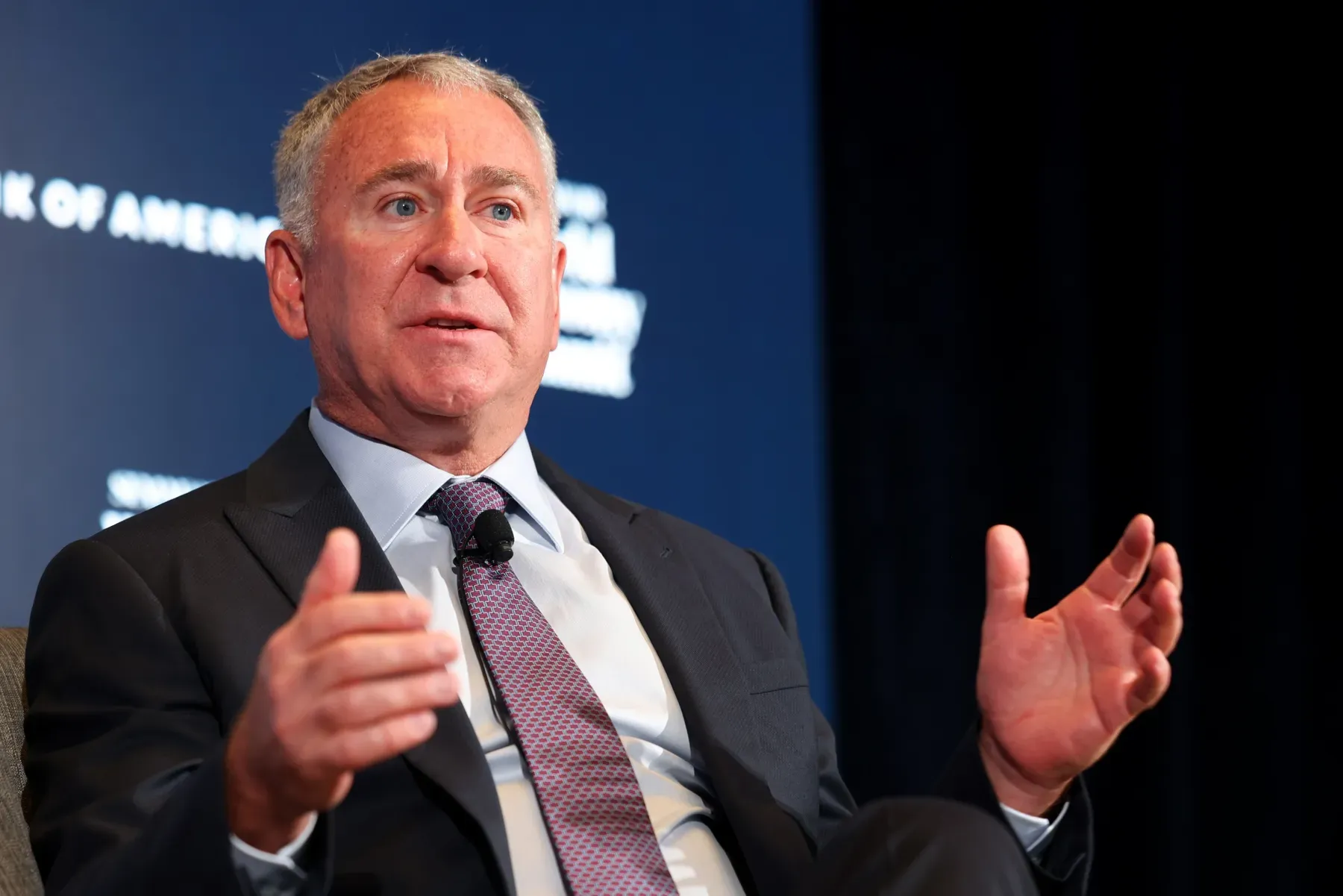
Citadel founder Ken Griffin extended his criticism of the Trump administration’s trade policy, saying that tariffs won’t bring back American manufacturing jobs the way that the president anticipates and the country should play to its strengths instead.
“He dreams of giving people their dignity back, and I have to applaud him for having that dream. But the dream is not going to come true,” Griffin, speaking Friday at Stanford University’s Graduate School of Business, said of President Donald Trump. “These jobs are not coming back to America. And to be clear, with an unemployment rate of 4%, America has moved on.”
The Citadel billionaire, who earlier this week said the trade war has devolved into a “nonsensical” place, has warned that the US is putting its global brand at risk as a result of the tariff policies. On Friday, he said the administration has embraced a transactional mindset that runs contrary to the best interests of the country.
Speaking as part of Stanford’s “View From the Top” series in Silicon Valley, Griffin argued the US should try to play to its strengths, such as creating intellectual property and content, rather than bringing back jobs in factories that have largely automated their production anyway.
“These are jobs that pay a stunning amount of money as compared to working in a factory, making zippers or making home appliances or making flat-screen TVs,” he said.
Griffin said he had spoken a few weeks ago with a senior Chinese government official who questioned why US trade policy would be to foster low-paying factory jobs and become more like China, instead of being the world power that China is trying to emulate.
The Republican megadonor said the US “screwed up” when it came to helping those who lost their jobs to globalization, and noted that much of the president’s electoral support came from people who felt like the economy hadn’t been working for them. Still, Griffin said the US has benefited more from globalization than China, and the trade war has fractured the country’s relationship with the rest of the world.
The administration’s pause of more widespread tariffs “creates space for them to take a step back and reflect upon their goals of creating jobs and dignity for those affected by globalization, and at the same time, securing and reaffirming the important role America plays in the world,” he said.
헤지펀드 시타델의 설립자인 켄 그리핀은 트럼프 행정부의 무역 정책에 대한 비판의 목소리를 높이며, 관세가 대통령이 예상하는 것처럼 미국 제조업 일자리를 되돌리지 못할 것이며 대신 미국은 강점을 활용해야 한다고 말했습니다.
그리핀은 금요일 스탠퍼드 대학교 경영대학원 강연에서 도널드 트럼프 대통령에 대해 “그는 사람들의 존엄성을 되찾아주는 꿈을 꾸고 있으며, 저는 그 꿈을 꾸는 것에 대해 그에게 박수를 보낼 수밖에 없습니다. 하지만 그 꿈은 실현되지 않을 것입니다”라고 말했습니다. 이어 “이 일자리들은 미국으로 돌아오지 않을 것입니다. 분명히 말해, 실업률이 4%인 상황에서 미국은 이미 나아갔습니다”라고 덧붙였습니다.
이번 주 초 무역 전쟁이 “무의미한” 지경에 이르렀다고 말했던 시타델의 억만장자는 관세 정책의 결과로 미국이 글로벌 브랜드에 위험을 초래하고 있다고 경고했습니다. 금요일 그는 행정부가 국가의 최선의 이익에 반하는 거래적인 사고방식을 받아들였다고 말했습니다.
실리콘밸리에서 열린 스탠퍼드의 “View From the Top” 시리즈의 일환으로 연설한 그리핀은 미국이 지적 재산 및 콘텐츠 창출과 같은 강점을 활용해야 하며, 생산이 상당 부분 자동화된 공장 일자리를 되돌리려 해서는 안 된다고 주장했습니다.
그는 “이 일자리들은 지퍼나 가전제품, 평면 TV를 만드는 공장에서 일하는 것에 비해 엄청난 액수의 돈을 벌게 해주는 일자리입니다”라고 말했습니다.
그리핀은 몇 주 전 한 중국 고위 관리와 이야기를 나눴는데, 그 관리가 왜 미국의 무역 정책이 저임금 공장 일자리를 육성하고 중국처럼 되려 하는지, 왜 중국이 모방하려 하는 세계 강국이 되려 하지 않는지에 대해 의문을 제기했다고 말했습니다.
공화당의 거액 기부자인 그는 세계화로 인해 일자리를 잃은 사람들을 돕는 데 미국이 “실수했다”고 말하며, 대통령의 많은 선거 지지가 경제가 자신들에게 도움이 되지 않는다고 느꼈던 사람들로부터 나왔다는 점을 언급했습니다. 그럼에도 불구하고 그리핀은 미국이 중국보다 세계화로부터 더 많은 혜택을 받았으며, 무역 전쟁이 다른 나라들과의 관계를 깨뜨렸다고 말했습니다.
그는 더 광범위한 관세의 일시 중단은 “그들이 세계화의 영향을 받은 사람들에게 일자리와 존엄성을 창출하겠다는 목표를 되돌아보고 성찰할 수 있는 공간을 만들고, 동시에 미국이 세계에서 수행하는 중요한 역할을 확보하고 재확인할 수 있게 한다”고 말했습니다.
Data-Crunching Wall Street Skeptics Sit Out the Turnaround Trade
Michael Mullaney’s mind was elsewhere during the market rebound this week, even as stocks surged, borrowing costs for Corporate America eased and Treasuries settled down.
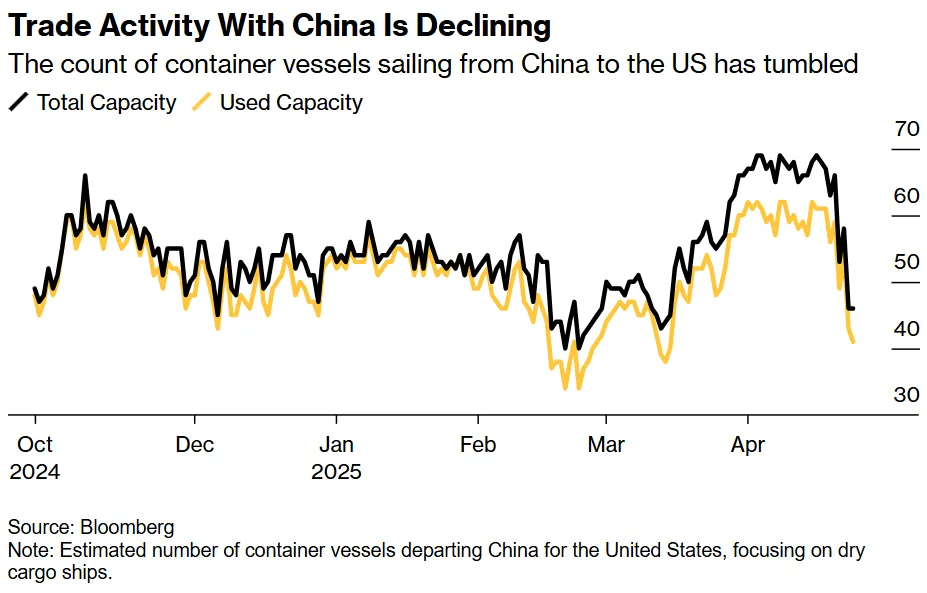
Instead, the head of research at value-investing firm Boston Partners found himself checking and re-checking economic data that he fears show early signs of the damage already caused by Donald Trump’s trade war. Signals like dwindling Los Angeles shipping volumes, declining tourism-related travel and shrinking credit-card receipts in key consumer sectors.
His cautious stance runs counter to his peers plunging back into risk assets — relieved by signals from both Trump and Treasury Secretary Scott Bessent that the White House appears to be easing its muscular posture against top economic partners.
“This is not going to go away in 90 days,” says Mullaney, who helps oversee $110 billion. “There’s still going to be significant impact on economic activity no matter where these tariff levels actually settle out.”
마이클 멀레이니는 이번 주 시장 반등 기간 동안 주가가 급등하고 미국 기업들의 차입 비용이 완화되었으며 국채 금리가 안정되었음에도 불구하고 마음은 다른 곳에 있었습니다.
대신 가치 투자 회사인 보스턴 파트너스의 리서치 책임자인 그는 도널드 트럼프의 무역 전쟁으로 이미 야기된 피해의 초기 징후를 보여준다고 우려하는 경제 데이터를 계속 확인하고 재확인했습니다. 로스앤젤레스의 줄어드는 선적량, 감소하는 관광 관련 여행, 주요 소비 부문에서 축소되는 신용카드 영수증과 같은 신호들입니다.
그의 이러한 신중한 입장은 트럼프 대통령과 스콧 베센트 재무장관 모두 백악관이 주요 경제 파트너들에 대한 강경한 태도를 완화하는 것으로 보이는 신호를 보낸 것에 안도하며 위험 자산에 다시 뛰어드는 동료들과 대조됩니다.
1,100억 달러의 자산을 관리하는 데 도움을 주는 멀레이니는 “이것은 90일 안에 사라지지 않을 것입니다”라고 말합니다. “이 관세 수준이 실제로 어디에 정착하든 상관없이 경제 활동에 상당한 영향이 여전히 있을 것입니다.”
While a full-on market meltdown may have been averted, he’s holding cash, worried the fallout from the trade hostility may be too entrenched to avert. Time will tell if the will to caution is the correct one — or just another example in the long history of skeptics getting clobbered when American markets shake off malaise and rebound.
Favoring cash can be costly in weeks like the one just finished, in which credit, stocks and Treasuries posted their best in-tandem run-up of the year. Bitcoin surpassed $95,000, leading the rebound in risk assets. Risk premiums for high-yield debt were on course to tighten the most since 2023, while measures of credit volatility fell ...