프리미엄
예측대회
투자분석
아카데미
커뮤니티
Valley AI 시작하기시작하기
Valley Space인기
Data Is Changing Shareholder Capitalism - Bloomberg
Classic and LegacyEntrepreneurship

Data Is Changing Shareholder Capitalism - Bloomberg

avatar
Gloria
2025.06.27조회수 57회
avatar
Gloria
구독자 896명구독중 223명
Disclaimer! - 본 공간의 게시물은 단순 의견 및 기록 목적으로 작성되었으며 특정 투자상품의 매수·매도·보유 등 투자 권유를 의미하지 않습니다 - 본 공간의 게시물은 그 어떠한 경우에도 증권, 파생상품 등 금융투자상품에 대한 투자조언으로 해석될 수 없습니다 - 본 공간의 게시물은 투자자의 투자 결과에 대해 어떠한 목적의 증빙자료로도 사용될 수 없습니다
  • https://www.bloomberg.com/opinion/articles/2025-06-26/shareholder-capitalism-doesn-t-always-work-when-the-product-is-data

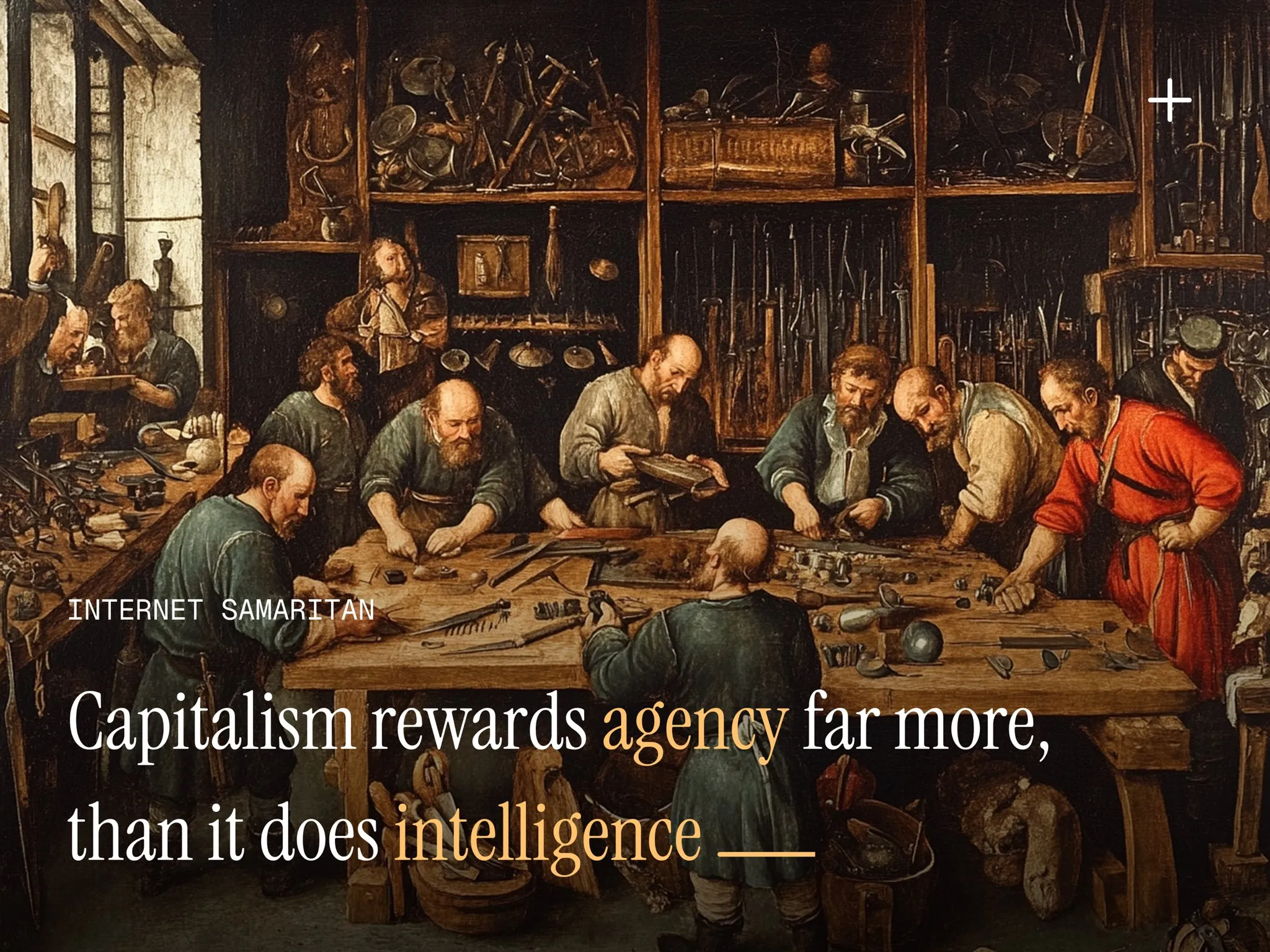
image.png


If America’s CEOs have learned one lesson over the last half decade, it’s this: Avoid politics. It is the right lesson — as usual, Milton Friedman was correct, the primary purpose of a business should be to increase its profits — but the rapidly changing nature of the economy calls for an update: Avoid politics whenever possible, but never when necessary.

The recent history of corporate activism is instructive. Just before the pandemic, the chief executives of 181 of the largest US corporations signed a pledge to “lead their companies for the benefit of all stakeholders,” not just shareholders. They essentially promised to pursue a better world beyond profits. It did not go well. After several prominent instances of companies or executives getting burned for taking political stances — just ask Budweiser or Elon Musk — most companies now just stick to business or at least stay silent.

But as data and data analysis become more valuable commodities, neutrality and apoliticism will become harder to maintain. Perhaps Friedman’s shareholder capitalism no longer makes sense in the modern economy — especially if your business is working with data. And especially if your software aids the military or helps governments monitor their citizens.

미국 CEO들이 지난 5년간 배운 한 가지 교훈이 있다면 바로 정치를 피해야 한다는 것입니다. 이는 올바른 교훈이며, 늘 그랬듯이 밀턴 프리드먼의 "기업의 주요 목적은 이익을 늘리는 것"이라는 말은 정확합니다. 하지만 급변하는 경제의 특성상 업데이트가 필요합니다. 즉, 가능할 때는 언제든 정치를 피하되, 필요할 때는 절대 피하지 말아야 한다는 것입니다.

최근 기업의 ...

회원가입만 해도
이 글을 무료로 읽을 수 있어요.

Basic 7일 무료 체험 시작하기
이미 계정이 있으신가요?로그인하기
댓글 1개
avatar
uyru
2025.06.27

좋은 글 감사드립니다. 자본주의의 방향성을 읽어보기 위해서 ESG 담론에 대해서 공부해보면 좋겠다는 생각이 들었습니다. :)

Entrepreneurship 카테고리의 다른글

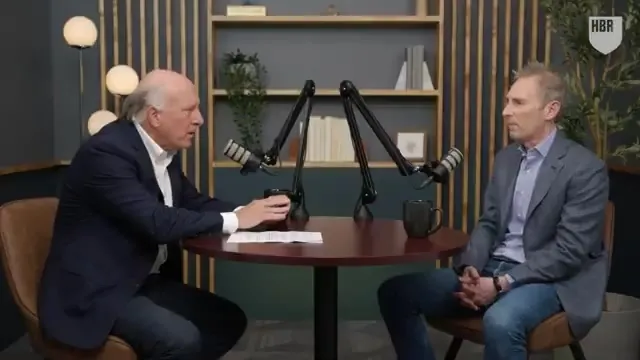
Amazon CEO Andy Jassy on Agility, AI Strategy, and the Changing Role of Managers - HBR

거의 토씨하나 버릴게 없는 알찬 인터뷰 사실상 전문번역 https://youtu.be/Nl-PpoKtxc4 Q. You've said that you want Amazon to operate like a startup, like a very large startup. And a lot of CEOs say that. And I'm interested, how do you try to make that happen? You're an enormous company with a lot going on. How do you try to make that work? 아마존이 스타트업처럼, 아주 큰 스타트업처럼 운영되기를 원한다고 말씀하셨습니다. 많은 CEO들이 그렇게 말합니다. 그리고 어떻게 그것을 현실로 만들려고 노력하는지 궁금합니다. 아마존은 진행되는 일이 많은 거대한 회사입니다. 어떻게 그것을 가능하게 하려고 노력하나요? A. We talk about wanting to operate like the world's largest startup. And I actually think Amazon already, based on our DNA and the way that we have become a company over the last 30 years, moves very quickly. But when you get larger, there are all sorts of ways that-- natural ways that you can get slowed down. And so when we talk about operating like the world's largest startup, we think about a few things. One is I think in whatever we build, whatever we spend resources on, we have to make sure we're solving a real customer problem. And I think a lot of companies, technology companies in particular, fall in love with the technology. And they are building things that they think are cool because they love the technology. But they get to the end, and they haven't really solved anything remarkable. And so you have to be-- startups are missionary about trying to solve problems for customers. And that's what we've got to make sure we spend our time on. And then we need a lot of builders, disproportionately so. And I think of builders as people that to invent, people that to dissect a customer experience and figure out what's wrong with it, even if it's pretty good, and then rebuild it. And then you need owners if you're going to be a startup. You need people to think about, what would I do if this were my money? What would I do if I owned all the resources? Hey, I see that I own this piece of the problem. I don't really know if the rest of it's solved. Should I spend my time on it, or should I just assume someone's got it? You need people who really feel accountable. And it's part of what our effort in trying to flatten our organizations is about, is we want the people doing the work to think like owners. And then you really need speed. And I think speed disproportionately matters in every business at every time. In my old job, when I was managing the AWS business, I had the privilege of speaking to a lot of CEOs of companies and enterprises. And they would often say to me something like, I don't know if you understand, we're big. We have security issues. We have compliance issues. We have lots of organizations that have to be involved. We just can't move fast. And I think, honestly, that speed is a leadership decision. You can decide you want to move fast, but you have to figure out what's slowing you down and knock all those barriers out. And you've got to get the whole organization aligned that you are going to move really fast, even if you make mistakes. And so I think part of that, too, is you're a larger company, is you have more people, is you need to really try to root out bureaucracy. Well-intended people, as you get bigger, especially as you have a lot of managers, they keep layering in processes. And pretty soon you have process upon process upon process that really slows people down so they can't get the real work done. And then I would say the two other things you need if you want to operate like a startup is you've got to be scrappy. You can't think about every new project taking 50 to 100 people to do. We started in our cloud computing business, AWS, our storage service, we had 11 people-- or 13 people-- when we started. Our compute service, EC2, we had 11 people. You can get going with a small number of people and build something that people actually find resonant, and then keep iterating from there. And then I think you've got to nail-- you have to be willing to take risks. And I think that as companies get bigger, they often get very risk-averse. If you hire achievement-oriented type A people, which a lot of companies, including ourselves have, they're not used to failing. And so a lot of times when they want to pursue something very different, they worry that they're going to be ostracized if they get it wrong. And so they'll play not to lose. And the only way to build something unique and different is to do something different from what people have done. And you have to be willing to take risks and be willing to fail sometimes. 우리는 세계에서 가장 큰 스타트업처럼 운영하고 싶다고 말합니다. 그리고 저는 실제로 아마존이 우리의 DNA와 지난 30년 동안 회사가 되어온 방식을 기반으로 이미 매우 빠르게 움직인다고 생각합니다. 하지만 회사가 커지면 속도가 느려질 수 있는 모든 종류의—자연스러운—방식들이 있습니다. 그래서 저희가 세계에서 가장 큰 스타트업처럼 운영하는 것에 대해 이야기할 때 몇 가지를 생각합니다. 하나는 무엇을 구축하든, 어떤 자원을 투입하든 실제 고객 문제를 해결하고 있는지 확인해야 한다는 것입니다. 그리고 많은 회사들, 특히 기술 회사들은 기술 자체와 사랑에 빠진다고 생각합니다. 그리고 그들은 기술을 좋아하기 때문에 멋지다고 생각하는 것들을 만듭니다. 하지만 결국에는 실제로 주목할 만한 아무것도 해결하지 못합니다. 따라서 스타트업은 고객 문제를 해결하기 위해 선교사처럼 노력해야 합니다. 그리고 그것이 우리가 시간을 들여 해야 할 일이라고 확신해야 합니다. 그리고 우리는 불균형적으로 많은 빌더(builder)들이 필요합니다. 그리고 저는 빌더를 발명하는 사람들, 고객 경험을 해부하고 그것이 꽤 좋더라도 무엇이 잘못되었는지 파악한 다음 다시 구축하는 사람으로 생각합니다. 그리고 스타트업이 되려면 오너(owner)들이 필요합니다. '이것이 내 돈이라면 어떻게 할까?' '모든 자원을 내가 소유하고 있다면 어떻게 할까?'를 생각하는 사람들이 필요합니다. '이 문제의 일부를 내가 소유하고 있다는 것을 알겠는데, 나머지가 해결되었는지 잘 모르겠네. 시간을 들여야 할까, 아니면 누군가가 알아서 했을 거라고 가정해야 할까?' 정말 책임감을 느끼는 사람들이 필요합니다. 그리고 그것이 저희가 조직을 평평하게 만들려는 노력의 일부입니다. 저희는 일하는 사람들이 오너처럼 생각하기를 원합니다. 그리고 정말 스피드가 필요합니다. 그리고 저는 속도가 모든 비즈니스에서 항상 불균형적으로 중요하다고 생각합니다. 예전 직책에서 AWS 사업을 관리했을 때, 많은 기업과 회사 CEO들과 대화할 특권이 있었습니다. 그리고 그들은 종종 저에게 이렇게 말하곤 했습니다. '이해하실지 모르겠지만, 우리는 대기업입니다. 보안 문제가 있습니다. 규정 준수 문제가 있습니다. 많은 조직이 관련되어야 합니다.' 우리는 그냥 빠르게 움직일 수 없습니다. 그리고 저는 솔직히 그 속도가 리더십의 결정이라고 생각합니다. 여러분은 빠르게 움직이기로 결정할 수 있지만, 무엇이 속도를 늦추는지 파악하고 그 모든 장벽을 제거해야 합니다. 그리고 비록 실수를 하더라도 정말 빠르게 움직일 것이라는 것에 대해 조직 전체가 동의하도록 해야 합니다. 그래서 저는 그것의 일부도 있다고 생각합니다. 더 큰 회사일수록 사람이 더 많아지고, 관료주의를 정말 근절하기 위해 노력해야 합니다. 회사가 커질수록, 특히 관리자가 많아질수록 선의를 가진 사람들도 계속해서 절차를 추가합니다. 그리고 곧 사람들을 정말 늦추는 절차 위에 절차 위에 절차가 쌓여서 실제 일을 제대로 할 수 없게 됩니다. 그리고 스타트업처럼 운영하고 싶다면 필요한 다른 두 가지는 끈질겨야 한다는 것입니다. 모든 새로운 프로젝트에 50명에서 100명이 필요하다고 생각해서는 안 됩니다. 저희 클라우드 컴퓨팅 사업인 AWS의 스토리지 서비스는 시작할 때 11명—아니면 13명—이었습니다. 컴퓨팅 서비스인 EC2는 11명이었습니다. 적은 수의 사람으로 시작해서 사람들이 실제로 공감하는 무언가를 만들고, 거기서부터 계속 반복할 수 있습니다. 그리고 저는 또 한 가지는 위험을 감수할 의지가 있어야 한다는 것입니다. 그리고 회사가 커질수록 종종 매우 위험 회피적이 된다고 생각합니다. 저희를 포함한 많은 회사들이 성취 지향적인 A형 인재들을 고용한다면, 그들은 실패에 익숙하지 않습니다. 그래서 그들이 매우 다른 무언가를 추구하고 싶을 때, 잘못하면 따돌림을 당할까봐 걱정하는 경우가 많습니다. 그래서 그들은 지지 않기 위해 경기를 할 것입니다. 그리고 독특하고 다른 무언가를 구축하는 유일한 방법은 사람들이 해왔던 것과 다른 일을 하는 것입니다. 그리고 위험을 감수하고 때로는 실패할 의지가 있어야 합니다. Q. When you talk about really being customer-focused or focusing on an outcome that your customers have, that sounds like it might not necessarily be consistent with taking risks. That taking risks-- if you knew exactly what your customers want, you would deliver that, and that's not risky. You're probably trying to skate ahead and figure out what are the demands that customers don't even know they have yet, that's part of the risk-taking. So how do you square those two things? 정말 고객 중심적이라고 하시거나 고객이 얻게 될 결과에 초점을 맞춘다고 하셨는데, 그것이 위험을 감수하는 것과는 반드시 일치하지 않는 것처럼 들립니다. 위험을 감수한다는 것은—고객이 무엇을 원하는지 정확히 안다면 그것을 제공할 것이고, 그것은 위험하지 않습니다. 여러분은 아마도 앞서 나아가서 고객조차 자신이 가지고 있다는 것을 모르는 요구사항이 무엇인지 파악하려고 노력할 것이고, 그것이 위험 감수의 일부일 것입니다. 그렇다면 이 두 가지를 어떻게 조화시키나요? A. Yeah. I think they're actually pretty consistent, though. I mean, there's listening to customers. Customer-- actually, if you find the right feedback loops, customers will tell you what's wrong with your product or what's wrong with their experience, and they want to change. So there's listening to customers. And oftentimes, customers can tell you the top 10 things in their mind they wish they were different. But if you ask the right "why" questions on what you're trying to solve, a lot of times customers will tell you what really is bothering them, what's really constraining them. And they can't sometimes tell you exactly how you should fix it. But if you're listening to them, and you understand the need, then you can invent on their behalf, which is a lot of what we do. A lot of the invention we do is listening to something customers are really struggling with. And they won't tell you how to do it. But we start asking ourselves, why do those constraints have to happen, and start to invent on their behalf. 네. 제 생각에는 사실 그것들이 꽤 일관성이 있다고 봅니다. 제 말은, 고객의 말을 듣는 것이 있습니다. 고객—사실, 올바른 피드백 루프를 찾는다면 고객은 여러분의 제품에 무엇이 잘못되었는지, 또는 그들의 경험에 무엇이 잘못되었고 바꾸고 싶어하는지를 알려줄 것입니다. 그래서 고객의 말을 듣는 것이 중요합니다. 그리고 종종 고객은 그들이 가장 바꾸고 싶어하는 상위 10가지 사항을 말해줄 수 있습니다. 하지만 해결하려는 문제에 대해 올바른 '왜(why)' 질문을 한다면, 많은 경우 고객은 그들을 정말 괴롭히는 것, 그들을 정말 제약하는 것이 무엇인지 알려줄 것입니다. 그리고 그들은 때때로 여러분에게 그것을 정확히 어떻게 고쳐야 할지는 말해주지 못할 수 있습니다. 하지만 여러분이 그들의 말을 듣고 필요를 이해한다면, 그들을 대신하여 발명할 수 있으며, 그것이 저희가 하는 일의 대부분입니다. 저희가 하는 발명의 많은 부분은 고객이 정말 어려움을 겪고 있는 무언가에 귀 기울이는 것입니다. 그리고 그들은 어떻게 해야 할지는 말해주지 않을 것입니다. 하지만 우리는 스스로에게 '왜 그런 제약이 있어야 하는가?'라고 묻기 시작하고 그들을 대신하여 발명을 시작합니다. Q. So you seem to be in the middle of what is either rethink in terms of management or maybe culture. So I mean, some of the things I'm aware of, you're rethinking the role of middle management. You've adjusted expectations for how teams are meant to work together. You've got people back in the office, I think, all of them five days a week now. What animates-- what's behind all of these steps? 그렇다면 경영이나 어쩌면 문화적인 측면에서 재고(rethink)하는 과정의 한가운데에 계신 것 같습니다. 제 말은, 제가 아는 몇 가지 사실은, 중간 관리자의 역할을 재고하고 계시고, 팀이 함께 일해야 하는 방식에 대한 기대치를 조정하셨으며, 사람들을 다시 사무실로 복귀시키셨는데, 이제 모두 주 5일 근무하는 것 같습니다. 무엇이—이 모든 단계의 이면에 있는 동기는 무엇인가요? A. Well, I think the first thing I would say is if you-- most companies that have been successful for any period of time have a culture that's been a key part of their success. And that is for sure true with Amazon. And I think we have a really strong culture. But it is not our birthright to keep having a strong culture. You have to-- things change-- size of companies change, the scope of businesses you're going after change, the geographic distribution of your people change. And you have to keep working on strengthening the parts of your culture that you see being stretched if you want to keep being successful culturally. And for us, it comes back to this notion of wanting to operate like the world's largest startup. Amazon has hired really smart, really ambitious, really motivated people who we have given a lot of responsibility to as owners. And then we let them make the lion's share of the two-way door decisions. The two-way door decision is one where if you walk through it and you're wrong, you can walk back through it and no harm. A one-way door decision is when you walk through that door and you're wrong, it's really hard to walk it back. But the two-way door decisions, which is the overwhelming majority of the decisions we all make, we want to be handled by the people doing the work and those owners. But as you get larger, as we have, as we've grown so much the last 10 years, you end up logically with a lot of managers and a lot of layers of managers. It's the way you organize yourself. And so then you find that you end up with things like there's a pre-meeting for the pre-meeting for the pre-meeting for the decision meeting. Or you find that owners don't feel like they own the decision, can make the recommendation any way because-- anymore because that decision is going to be made three levels up. And so that's what we'd like to try and limit. We really want our owners doing the real work, to own the two-way door decisions, and to be able to move quickly and autonomously. And that's part of this effort we've taken, which is to increase the ratio of individual contributors to managers by at least 15% across the company, which we'll beat by-- we have beaten already by the end of the first quarter. But we want to flatten our organizations to move faster and to drive more ownership. 음, 제가 먼저 말씀드리고 싶은 것은 만약 여러분이—어느 정도 기간 동안 성공해온 대부분의 회사들은 그 성공의 핵심적인 부분이 되어온 문화를 가지고 있다는 것입니다. 그리고 그것은 아마존에게도 확실히 사실입니다. 그리고 저희는 정말 강한 문화를 가지고 있다고 생각합니다. 하지만 강한 문화를 계속 유지하는 것은 우리의 타고난 권리가 아닙니다. 여러분은—상황이 변하고—회사의 규모가 변하고, 추구하는 사업의 범위가 변하고, 사람들의 지리적 분포가 변합니다. 그리고 문화적으로 계속 성공하고 싶다면 약해지고 있다고 보이는 문화의 부분들을 계속 강화하기 위해 노력해야 합니다. 그리고 저희에게는 이것이 세계에서 가장 큰 스타트업처럼 운영하고 싶다는 생각으로 귀결됩니다. 아마존은 정말 똑똑하고, 정말 야심 차고, 정말 의욕적인 사람들을 고용했으며, 저희는 그들에게 오너로서 많은 책임을 부여했습니다. 그리고 그들에게 양방향 문 결정(two-way door decisions)의 대부분을 내리게 했습니다. 양방향 문 결정이란 여러분이 그 문을 통과했는데 잘못되었더라도 다시 걸어 돌아올 수 있고 해가 되지 않는 결정입니다. 일방향 문 결정(one-way door ...

Entrepreneurship
2025. 05. 13
10
5
135
Amazon CEO Andy Jassy on Agility, AI Strategy, and the Changing Role of Managers - HBR

Do Things That Don’t Scale - Paul Graham

https://paulgraham.com/ds.html July 2013 One of the most common types of advice we give at Y Combinator is to do things that don't scale. A lot of would-be founders believe that startups either take off or don't. You build something, make it available, and if you've made a better mousetrap, people beat a path to your door as promised. Or they don't, in which case the market must not exist. [1] Actually startups take off because the founders make them take off. There may be a handful that just grew by themselves, but usually it takes some sort of push to get them going. A good metaphor would be the cranks that car engines had before they got electric starters. Once the engine was going, it would keep going, but there was a separate and laborious process to get it going. 2013년 7월 와이콤비네이터에서 우리가 가장 자주 하는 조언 중 하나는 '확장되지 않는 일들을 하라'는 것입니다. 많은 예비 창업가들은 스타트업이 저절로 성공하거나 실패한다고 믿습니다. 무언가를 만들고 출시하면, 더 나은 쥐덫을 만들었다면 약속대로 사람들이 당신의 문 앞까지 찾아올 것이라고 생각합니다. 아니면 그렇지 않거나요. 그럴 경우 시장이 존재하지 않는 것이라고 결론짓습니다. [1] 실제로는 창업가들이 스타트업을 성공시키기 때문에 스타트업이 성공하는 것입니다. 저절로 성장한 소수의 사례가 있을 수는 있지만, 대개 스타트업을 움직이기 위해서는 어떤 종류의 추진력이 필요합니다. 좋은 비유는 전기 시동기가 생기기 전에 자동차 엔진에 달렸던 크랭크입니다. 일단 엔진이 돌아가기 시작하면 계속 작동하지만, 처음에 시동을 걸기 위한 별도의 힘든 과정이 있었습니다. Recruit The most common unscalable thing founders have to do at the start is to recruit users manually. Nearly all startups have to. You can't wait for users to come to you. You have to go out and get them. Stripe is one of the most successful startups we've funded, and the problem they solved was an urgent one. If anyone could have sat back and waited for users, it was Stripe. But in fact they're famous within YC for aggressive early user acquisition. Startups building things for other startups have a big pool of potential users in the other companies we've funded, and none took better advantage of it than Stripe. At YC we use the term "Collison installation" for the technique they invented. More diffident founders ask "Will you try our beta?" and if the answer is yes, they say "Great, we'll send you a link." But the Collison brothers weren't going to wait. When anyone agreed to try Stripe they'd say "Right then, give me your laptop" and set them up on the spot. There are two reasons founders resist going out and recruiting users individually. One is a combination of shyness and laziness. They'd rather sit at home writing code than go out and talk to a bunch of strangers and probably be rejected by most of them. But for a startup to succeed, at least one founder (usually the CEO) will have to spend a lot of time on sales and marketing. [2] The other reason founders ignore this path is that the absolute numbers seem so small at first. This can't be how the big, famous startups got started, they think. The mistake they make is to underestimate the power of compound growth. We encourage every startup to measure their progress by weekly growth rate. If you have 100 users, you need to get 10 more next week to grow 10% a week. And while 110 may not seem much better than 100, if you keep growing at 10% a week you'll be surprised how big the numbers get. After a year you'll have 14,000 users, and after 2 years you'll have 2 million. You'll be doing different things when you're acquiring users a thousand at a time, and growth has to slow down eventually. But if the market exists you can usually start by recruiting users manually and then gradually switch to less manual methods. [3] Airbnb is a classic example of this technique. Marketplaces are so hard to get rolling that you should expect to take heroic measures at first. In Airbnb's case, these consisted of going door to door in New York, recruiting new users and helping existing ones improve their listings. When I remember the Airbnbs during YC, I picture them with rolly bags, because when they showed up for tuesday dinners they'd always just flown back from somewhere. 창업가들이 초기에 해야 하는 가장 흔한 비확장적인 일은 사용자를 수동으로 모집하는 것입니다. 거의 모든 스타트업이 그래야 합니다. 사용자들이 당신에게 오기를 기다릴 수 없습니다. 당신이 나가서 그들을 찾아야 합니다. 스트라이프는 우리가 투자한 가장 성공적인 스타트업 중 하나이며, 그들이 해결한 문제는 시급한 문제였습니다. 만약 누군가 편안히 앉아 사용자들을 기다릴 수 있었다면, 그건 스트라이프였을 겁니다. 하지만 사실 그들은 초기 사용자 확보에 있어 공격적인 태도로 와이콤비네이터 내에서 유명합니다. 다른 스타트업을 위해 무언가를 만드는 스타트업들은 우리가 투자한 다른 회사들 속에 잠재적 사용자의 거대한 풀을 가지고 있으며, 스트라이프만큼 이를 잘 활용한 곳은 없었습니다. 와이콤비네이터에서 우리는 그들이 고안한 기법을 "콜리슨 설치"라고 부릅니다. 더 소심한 창업가들은 "베타 버전을 사용해 보시겠어요?"라고 묻고, 대답이 '예'이면 "좋습니다, 링크를 보내드릴게요"라고 말합니다. 하지만 콜리슨 형제는 기다리지 않았습니다. 누군가 스트라이프를 사용해 보겠다고 동의하면 그들은 "그럼, 노트북 주세요"라고 말하며 현장에서 바로 설치해 주었습니다. 창업가들이 나가서 사용자를 개별적으로 모집하는 것을 꺼리는 두 가지 이유가 있습니다. 하나는 수줍음과 게으름의 조합입니다. 그들은 집에 앉아 코딩하는 것을 선호하며, 나가서 낯선 사람들과 이야기하고 대부분에게 거절당하는 것을 원치 않습니다. 하지만 스타트업이 성공하기 위해서는 적어도 한 명의 창업가(보통 CEO)가 영업 및 마케팅에 많은 시간을 할애해야 합니다. [2] 창업가들이 이 경로를 무시하는 다른 이유는 처음에 절대적인 수치가 너무 적어 보이기 때문입니다. 큰 규모의 유명한 스타트업들이 이렇게 시작했을 리 없다고 그들은 생각합니다. 그들이 저지르는 실수는 복리 성장의 힘을 과소평가하는 것입니다. 우리는 모든 스타트업이 주간 성장률로 진행 상황을 측정하도록 권장합니다. 사용자가 100명 있다면, 다음 주에 10% 성장을 위해 10명을 더 확보해야 합니다. 그리고 110명이 100명보다 훨씬 많아 보이지 않을 수 있지만, 매주 10%씩 계속 성장한다면 그 숫자가 얼마나 커지는지 놀랄 것입니다. 1년 후에는 14,000명의 사용자를 갖게 될 것이고, 2년 후에는 2백만 명을 갖게 될 것입니다. 한 번에 수천 명의 사용자를 확보할 때는 다른 일들을 하게 될 것이고, 성장은 결국 둔화되어야 합니다. 하지만 시장이 존재한다면 대개 수동으로 사용자를 모집하는 것으로 시작하여 점차 덜 수동적인 방법으로 전환할 수 있습니다. [3] 에어비앤비는 이 기법의 대표적인 예입니다. 마켓플레이스는 시작하기가 너무 어려워서 처음에는 영웅적인 조치를 취해야 할 것으로 예상해야 합니다. 에어비앤비의 경우, 이는 뉴욕에서 문을 두드리고 새로운 사용자를 모집하며 기존 사용자들이 자신의 숙소 등록을 개선하도록 돕는 것으로 구성되었습니다. 와이콤비네이터 시절의 에어비앤비 팀을 떠올리면, 화요일 저녁 식사에 나타날 때마다 항상 어디선가 비행기를 타고 막 돌아온 상태였기 때문에 롤리백을 들고 있는 모습이 떠오릅니다. Fragile Airbnb now seems like an unstoppable juggernaut, but early on it was so fragile that about 30 days of going out and engaging in person with users made the difference between success and failure. That initial fragility was not a unique feature of Airbnb. Almost all startups are fragile initially. And that's one of the biggest things inexperienced founders and investors (and reporters and know-it-alls on forums) get wrong about them. They unconsciously judge larval startups by the standards of established ones. They're like someone looking at a newborn baby and concluding "there's no way this tiny creature could ever accomplish anything." It's harmless if reporters and know-it-alls dismiss your startup. They always get things wrong. It's even ok if investors dismiss your startup; they'll change their minds when they see growth. The big danger is that you'll dismiss your startup yourself. I've seen it happen. I often have to encourage founders who don't see the full potential of what they're building. Even Bill Gates made that mistake. He returned to Harvard for the fall semester after starting Microsoft. He didn't stay long, but he wouldn't have returned at all if he'd realized Microsoft was going to be even a fraction of the size it turned out to be. [4] The question to ask about an early stage startup is not "is this company taking over the world?" but "how big could this company get if the founders did the right things?" And the right things often seem both laborious and inconsequential at the time. Microsoft can't have seemed very impressive when it was just a couple guys in Albuquerque writing Basic interpreters for a market of a few thousand hobbyists (as they were then called), but in retrospect that was the optimal path to dominating microcomputer software. And I know Brian Chesky and Joe Gebbia didn't feel like they were en route to the big time as they were taking "professional" photos of their first hosts' apartments. They were just trying to survive. But in retrospect that too was the optimal path to dominating a big market. How do you find users to recruit manually? If you build something to solve your own problems, then you only have to find your peers, which is usually straightforward. Otherwise you'll have to make a more deliberate effort to locate the most promising vein of users. The usual way to do that is to get some initial set of users by doing a comparatively untargeted launch, and then to observe which kind seem most enthusiastic, and seek out more like them. For example, Ben Silbermann noticed that a lot of the earliest Pinterest users were interested in design, so he went to a conference of design bloggers to recruit users, and that worked well. [5] 에어비앤비는 이제 막을 수 없는 거대 기업처럼 보이지만, 초기에는 너무 취약해서 약 30일 동안 직접 나가서 사용자들과 소통하는 것이 성공과 실패의 차이를 만들었습니다. 초기 취약성은 에어비앤비만의 특징이 아니었습니다. 거의 모든 스타트업은 초기에 취약합니다. 그리고 이것은 경험이 부족한 창업가와 투자자(그리고 기자들과 포럼의 아는 척하는 사람들)가 그들에 대해 가장 잘못 이해하는 부분 중 하나입니다. 그들은 무의식적으로 유충 단계의 스타트업을 기존 기업의 기준으로 판단합니다. 마치 갓 태어난 아기를 보고 "이 작은 생물이 무언가를 성취할 가능성은 전혀 없어"라고 결론짓는 사람과 같습니다. 기자들과 아는 척하는 사람들이 당신의 스타트업을 무시하는 것은 해롭지 않습니다. 그들은 항상 상황을 잘못 파악합니다. 투자자들이 당신의 스타트업을 무시하는 것도 괜찮습니다. 성장을 보면 마음을 바꿀 것입니다. 가장 큰 위험은 당신 스스로 당신의 스타트업을 경시하는 것입니다. 저는 그런 경우를 본 적이 있습니다. 저는 종종 자신이 구축하는 것의 잠재력을 제대로 보지 못하는 창업가들을 격려해야 합니다. 심지어 빌 게이츠도 그런 실수를 저질렀습니다. 마이크로소프트를 시작한 후 하버드로 돌아와 가을 학기를 다녔습니다. 오래 머물지는 않았지만, 마이크로소프트가 실제 규모의 일부라도 될 것이라는 것을 알았더라면 아예 돌아가지 않았을 것입니다. [4] 초기 단계 스타트업에 대해 물어봐야 할 질문은 "이 회사가 세상을 장악하고 있는가?"가 아니라 "창업가들이 올바른 일들을 한다면 이 회사는 얼마나 커질 수 있을까?"입니다. 그리고 올바른 일들은 종종 당시에는 힘겹고 중요해 보이지 않는 것처럼 보입니다. 마이크로소프트가 알부케르케에서 몇 명의 취미가들(당시에는 그렇게 불렸습니다)을 위한 베이직 인터프리터를 작성하는 몇 명의 사람이었을 때는 그다지 인상적이지 않았을 것입니다. 하지만 돌이켜보면 그것이 마이크로컴퓨터 소프트웨어를 지배하는 최적의 경로였습니다. 그리고 브라이언 체스키와 조 게비아가 첫 호스트의 아파트 사진을 "전문적으로" 찍을 때 자신들이 큰 성공을 향해 가고 있다고 느끼지 않았다는 것을 압니다. 그들은 단지 살아남으려고 노력하고 있었습니다. 하지만 돌이켜보면 그것 역시 거대한 시장을 지배하는 최적의 경로였습니다. 사용자를 수동으로 모집하려면 어떻게 찾아야 할까요? 당신 자신의 문제를 해결하기 위해 무언가를 만든다면, 당신의 동료들만 찾으면 되는데, 이는 대개 간단합니다. 그렇지 않다면 가장 유망한 사용자의 맥을 찾아내기 위해 좀 더 의도적인 노력을 기울여야 할 것입니다. 이를 위한 일반적인 방법은 비교적 대상이 불분명한 런칭을 통해 초기 사용자 집합을 확보한 다음, 어떤 종류의 사용자가 가장 열성적인지 관찰하고 그들과 유사한 사람들을 더 찾아내는 것입니다. 예를 들어, 벤 실버만은 초기의 많은 핀터레스트 사용자들이 디자인에 관심이 있다는 것을 알아차리고, 디자인 블로거 컨퍼런스에 가서 사용자들을 모집했고, 그것이 잘 작동했습니다. [5] Delight You should take extraordinary measures not just to acquire users, but also to make them happy. For as long as they could (which turned out to be surprisingly long), Wufoo sent each new user a hand-written thank you note. Your first users should feel that signing up with you was one of the best choices they ever made. And you in turn should be racking your brains to think of new ways to delight them. Why do we have to teach startups this? Why is it counterintuitive for founders? Three reasons, I think. One is that a lot of startup founders are trained as engineers, and customer service is not part of the training of engineers. You're supposed to build things that are robust and elegant, not be slavishly attentive to individual users like some kind of salesperson. Ironically, part of the reason engineering is traditionally averse to handholding is that its traditions date from a time when engineers were less powerful — when they were only in charge of their narrow domain of building things, rather than running the whole show. You can be ornery when you're Scotty, but not when you're Kirk. Another reason founders don't focus enough on individual customers is that they worry it won't scale. But when founders of larval startups worry about this, I point out that in their current state they have nothing to lose. Maybe if they go out of their way to make existing users super happy, they'll one day have too many to do so much for. That would be a great problem to have. See if you can make it happen. And incidentally, when it does, you'll find that delighting customers scales better than you expected. Partly because you can usually find ways to make anything scale more than you would have predicted, and partly because delighting customers will by then have permeated your culture. I have never once seen a startup lured down a blind alley by trying too hard to make their initial users happy. But perhaps the biggest thing preventing founders from realizing how attentive they could be to their users is that they've never experienced such attention themselves. Their standards for customer service have been set by the companies they've been customers of, which are mostly big ones. Tim Cook doesn't send you a hand-written note after you buy a laptop. He can't. But you can. That's one advantage of being small: you can provide a level of service no big company can. [6] Once you realize that existing conventions are not the upper bound on user experience, it's interesting in a very pleasant way to think about how far you could go to delight your users. 사용자를 확보하는 것뿐만 아니라 그들을 행복하게 만드는 데에도 특별한 조치를 취해야 합니다. 우푸(Wufoo)는 가능한 한 오랫동안(놀라울 정도로 오래 지속되었습니다) 각 신규 사용자에게 손으로 쓴 감사 편지를 보냈습니다. 당신의 첫 사용자들은 당신에게 가입한 것이 그들이 내린 최고의 선택 중 하나라고 느껴야 합니다. 그리고 당신은 그들을 만족시키기 위한 새로운 방법을 생각하기 위해 머리를 쥐어짜야 합니다. 우리가 스타트업에게 왜 이것을 가르쳐야 할까요? 왜 창업가들에게는 이것이 직관적이지 않을까요? 제 생각에는 세 가지 이유가 있습니다. 하나는 많은 스타트업 창업가들이 엔지니어로서 훈련받았고, 고객 서비스는 엔지니어의 훈련의 일부가 아니기 때문입니다. 당신은 견고하고 우아한 것을 만들어야 하며, 마치 어떤 종류의 영업 사원처럼 개별 사용자에게 맹목적으로 관심을 기울여서는 안 된다는 생각을 합니다. 아이러니하게도, 엔지니어링이 전통적으로 개입을 꺼리는 이유의 일부는 그 전통이 엔지니어가 덜 강력했던 시대—단지 무언가를 구축하는 좁은 영역만 책임지고 전체 운영은 맡지 않았던 시대—에 시작되었기 때문입니다. 스코티(Scotty)일 때는 까다로울 수 있지만, 커크(Kirk)일 때는 그럴 수 없습니다. 창업가들이 개별 고객에게 충분히 집중하지 않는 또 다른 이유는 그것이 ...

창업자만이 할 수 있는 일 - 조성문

https://sungmooncho.com/2024/10/28/what-founders-can-do/ 나는 ‘하이레벨’에 머물러 있는 것을 그다지 좋아하지 않는다. 나는 항상 디테일이 궁금하고 디테일이 재미있다. 그래서 내가 가장 좋아하는 시간은 부서장들에게 보고받는 시간이 아니라, 각 엔지니어, 디자이너, 또는 마케팅 담당자들과 나란히 앉아 해당 프로젝트에 대해 자세히 들어보고, 함께 고민하는 시간이다. 함께 모여 앉아 이야기하다보면, 생각지도 못한 곳에서 좋은 생각이 떠오르고, 다같이 그걸 실행하고 나면 너무나 훌륭한 결과가 나올 때가 많다. 2023년, 세르게이 브린(Sergey Brin)이 구글로 돌아왔다. (…) 그가 창업자이긴 하지만, 이미 오랜동안 현장에서 떨어져 있었고, 이미 모든 주된 일들을 위임한 상태였는데, 그가 돌아온다고 해서 뭐가 그리 달라질까? 그가 차세대 AI 엔진 코드를 직접 만들지는 못하겠지만, 적어도 그가 창업자로서 할 수 있는 것이 있다. 장기적인 안목을 가지고 회사의 리소스를 움직이는 일이다. 2024년 5월부터는 구글 검색 결과에서 AI 오버뷰(AI Overview)를 가장 상단에서 먼저 보여주고 있다. 가장 상단은 광고 단가가 가장 높은 공간인데, 이를 AI에 사용했다는 것은, 그만큼 구글의 AI에게 검색의 자리를 내어주지 ...
Entrepreneurship
2025. 01. 06
9
3

최적의 결정과 때가 만나 - arm, 모든 것의 마이크로칩

기술적인 내용은 그렇게 많지 않고, arm의 시작부터 미국/영국 dual listing까지의 이야기와 함께 애플, TSMC, 인텔, NVIDIA, 삼성전자와 같은 플레이어들의 역사를 서술한 책이다. 반도체 산업의 역사를 두루두루 알기 좋은 책이다. 투자와 직접적인 관계는 없을 수 있지만, 반도체 산업에 대한 이해를 키운다는 점에서 의미가 있다. 궁극적으로 기업 하나를 리서치하는데 있어서 산업 전반이 갖고 있는 context가 있어야 리서치도 빠르고, 투자 의사결정을 내리는데 있어 핵심적인 정보들을 엮을 수 있기 때문이다. 산업 공부를 하면서 산업의 역사를 훑는 것이 중요하다는 것을 다시금 리마인드하게 됐다. 쭉쭉 써내려가고 싶지만, 생각보다 글이 안써져서 인상깊었던 부분들만 부분부분… ARM은 태초부터 자본이 부족해서 인텔처럼 사업을 할 수 없었다. 궁여지책이었을지 전략적이었을지 그 비하인드는 알 수 없지만 그들은 설계도를 파는 비즈니스를 택했다. 그들의 입장에선 주어진 제약조건 하에서 최적의 결정을 한 것이다. 인텔도 마찬가지였다. 시장 지배력을 활용해서 고객들에게 꼬장을 부리는 것도 그들의 입장에서는 최적의 결정이었다. 그리고 두 회사 사이에서 애플은 그들에게 최적의 결정이었던 ARM을 택했다. ARM이 생존하려면 에이콘과 애플이 구상한 라이선싱/로열티 모델보다 더 멀리 더 빠르게 갈 필요가 있다고 삭스비는 판단했다. 삭스비의 목표 중 저전력 ARM 칩을 세계 표준으로 만든다는 것이 가장 중요했다. 더 큰 영국 회사들도 적당한 목표를 내걸었던 데 비하면 비범하게도 야심찬 목표였다. 그는 또 인텔이 장악한 PC 영역에서 인텔과 다투기보다는 PC를 제외한 모든 영역을 겨냥하고자 했다. 임베디드 기기 (범용인 PC 등과 달리 게임, 통신, 이미지 처리 등 특별한 목적을 가진 기기-옮긴이)에 활용되도록 하기 위해서는 폭넓게 통하는 장점을 지닌 표준 제품들을 개발하고, 여러 범주와 지역의 고객을찾아나서야 한다고 생각했다. 이는 그가 모토롤라에서 익힌 전략이었다. 인텔이 PC 시장에서 사실상의 독점을 구축하고 유지하기 위해, AMD와의 전투를 비롯해 무엇을 했는지 ARM의 경영진은 충분히 경험해왔다. 인텔은 막강한 자금력을 바탕으로 설계 지식과시장 신뢰를 결합해 ARM이 건설한 탄탄한 기반을 파괴할 수 있다고 그들은 두려워했다. 당시 ARM 이사 중 한 사람은 "아마 약 2년간 그게 우리의 주요 관심사였다"고 들려줬다. "이사회에서 우리가 그 이슈를 점검하지 않은 적이 없어요. 인텔이 어디에 있지? 무엇을 취득했지? 그것으로 무엇을 하려고 하지? 진지하게 관심을 나타내는 고객이 있나? 인텔이 작심하고 밀어붙인다면 ARM을 좌지우지할 수 있었어요." 잡스는 인텔에 대해 이렇게 말했다. "그들과 함께하지 않은 데에는 두 가지 이유가 있었습니다. 하나는 그들이 정말 느리다는 것이었어요. 그들은 증기선 같아서 유연하지 않았습니다. 우리는 꽤 빠르게 움직이는 데 익숙해요. 둘째, 우리는 그들에게 전부 가르쳐주고 싶지 않았어요. 왜냐하면 그들이 배운 것을 우리 경쟁자들에게 팔아치울지 모른다고 ...
Entrepreneurship
2024. 09. 13
6
Entrepreneurship
2025. 05. 03
6
4
120
Do Things That Don’t Scale - Paul Graham
27
창업자만이 할 수 있는 일 - 조성문
2
16
최적의 결정과 때가 만나 - arm, 모든 것의 마이크로칩