20250710 News
Stock Market News, July 9, 2025: Trump Says 50% Tariff on Brazil Coming; Nasdaq Rises to Record
https://www.wsj.com/livecoverage/stock-market-today-dow-sp-500-nasdaq-07-09-2025?st=uMgfGR&reflink=article_copyURL_share
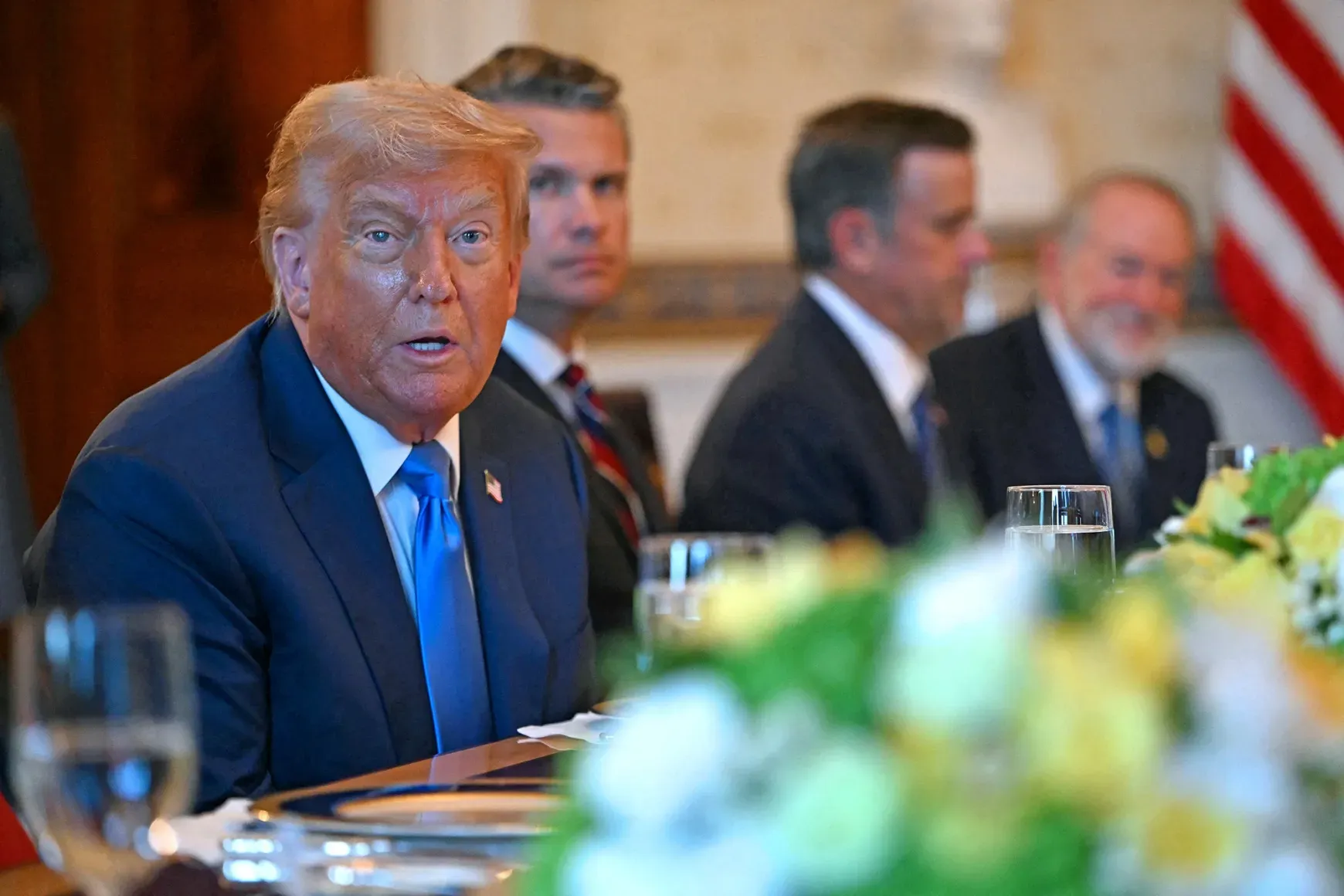
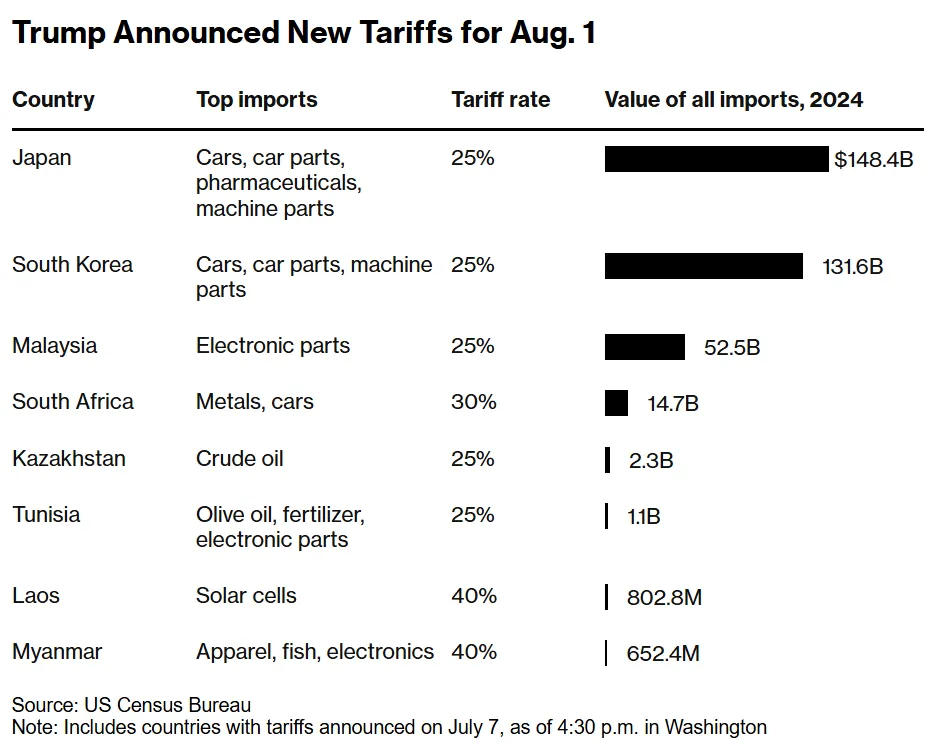
President Trump unveiled a 50% tariff on Brazilian goods starting Aug. 1, the highest tariff announced so far this week in a flurry of missives to foreign leaders.
트럼프 대통령이 8월 1일부터 브라질산 제품에 50%의 관세를 부과한다고 발표했습니다. 이는 이번 주 여러 외국 정상들에게 보낸 서한 중 가장 높은 관세율입니다.
The tariffs, Trump wrote, would be based in part on Brazil's "insidious attacks on Free Elections" and its treatment of Bolsonaro, which Trump called "a Witch Hunt" and "an international disgrace." The letter was published after the U.S. stock-market closed on Trump's Truth Social platform.
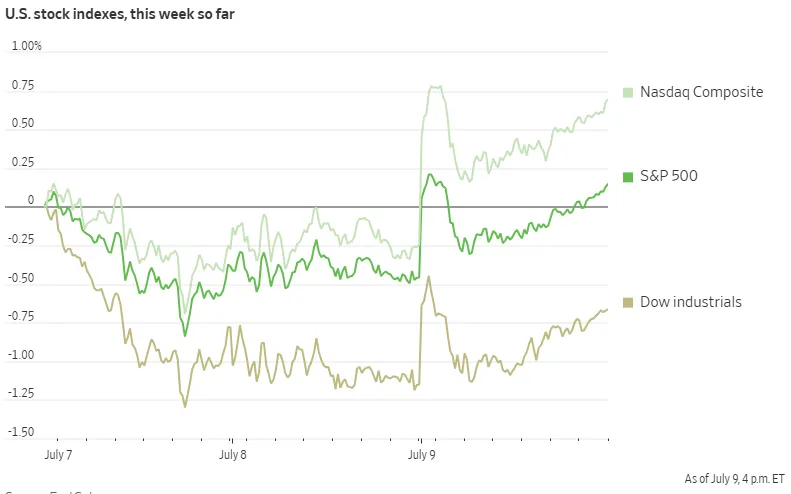
Investors took Trump's preview of the Brazil letter and communiques to seven other tariff targets in stride. The Nasdaq Composite Index climbed to a record, rising 0.9% to eclipse its previous high from July 3.
Nasdaq's move was powered by a rally in Nvidia shares that that briefly made the chip giant the world's first $4-trillion company. Nvidia also helped the S&P 500 gain 0.6% on the day, while the Dow Jones Industrial Average tacked on 217.54 points, or 0.5%.
트럼프 대통령은 이 관세가 부분적으로 브라질의 "자유 선거에 대한 음흉한 공격"과 보우소나루 전 대통령에 대한 처우 때문이라고 밝혔으며, 이를 "마녀사냥"이자 "국제적인 불명예"라고 칭했습니다. 이 서한은 미국 증시 마감 후 트럼프 대통령의 소셜 미디어 플랫폼인 트루스 소셜에 게시되었습니다.
투자자들은 트럼프 대통령의 브라질 서한과 다른 7개 관세 대상국에 대한 메시지에 담담하게 반응했습니다. 나스닥 종합지수는 0.9% 상승하며 7월 3일에 세웠던 이전 최고치를 경신, 사상 최고치를 기록했습니다.
나스닥의 상승은 엔비디아 주가 랠리에 힘입은 것으로, 엔비디아는 잠시 세계 최초의 4조 달러 기업이 되기도 했습니다. 엔비디아는 또한 S&P 500 지수가 이날 0.6% 상승하는 데 기여했으며, 다우존스 산업평균지수는 217.54포인트, 즉 0.5% 상승했습니다.
Meanwhile, a European Union spokesman said Wednesday the bloc was aiming for an outline trade deal within days or weeks, and didn't expect to receive a letter, although Trump has indicated otherwise. Any deal is expected to retain 10% tariffs for most European goods.
Investors are looking through the tariff chaos, wagering the White House won’t ultimately follow through on its harshest threats. The resilience of the U.S. economy so far has added to investors’ confidence.
The Federal Reserve is also looking closely at the economic impact of tariffs, according to minutes from its June meeting released Wednesday afternoon. Chair Jerome Powell has adopted a wait-and-see approach on lowering interest rates, despite increasing pressure from Trump to lower them immediately.
한편, 유럽연합(EU) 대변인은 수요일 EU가 며칠 또는 몇 주 안에 무역 협상 초안을 마련하는 것을 목표로 하고 있으며, 트럼프 대통령이 다르게 시사했음에도 불구하고 서한을 받을 것으로 예상하지 않는다고 밝혔습니다. 어떤 협상이든 대부분의 유럽산 제품에 10% 관세를 유지할 것으로 예상됩니다.
투자자들은 이러한 관세 혼란에도 불구하고 백악관이 궁극적으로 가장 강경한 위협을 실행하지 않을 것이라고 내다보고 있습니다. 현재까지 미국 경제의 회복력은 투자자들의 신뢰를 더했습니다.
수요일 오후 공개된 6월 회의록에 따르면, 연방준비제도(Fed) 역시 관세의 경제적 영향에 대해 면밀히 주시하고 있습니다. 제롬 파월 의장은 트럼프 대통령의 즉각적인 금리 인하 압력에도 불구하고 금리 인하에 대해 관망세를 취하고 있습니다.
Trump Delayed Reciprocal Tariffs After Bessent Wanted More Time on Deals
https://www.wsj.com/economy/trade/trump-tariffs-scott-bessent-trade-deals-cc76e43a?st=3Pi4aY&reflink=article_copyURL_share
President Trump decided to delay the implementation of his so-called reciprocal tariffs to Aug. 1 after advisers including Treasury Secretary Scott Bessent told him he could get trade deals with more time, according to people familiar with the matter.
Administration officials including Bessent felt as if they were making progress on deals with several trading partners such as India and the European Union as Trump’s previous deadline approached, the people said. An initial pause on the reciprocal tariffs was set to lapse at 12:01 a.m. Wednesday until Trump on Monday further postponed the implementation date for three weeks and sent out letters warning countries of the rates they would face on that day.
사안에 정통한 소식통에 따르면, 트럼프 대통령은 스콧 베센트 재무장관을 포함한 참모들이 더 많은 시간을 가지면 무역 협상을 성사시킬 수 있다고 조언함에 따라, 이른바 상호 관세 시행을 8월 1일로 연기하기로 결정했습니다.
관계자들은 베센트를 포함한 행정부 관리들이 트럼프 대통령의 이전 마감일이 다가옴에 따라 인도, 유럽연합 등 여러 무역 파트너들과의 협상에서 진전을 이루고 있다고 느꼈다고 말했습니다. 당초 상호 관세에 대한 일시 중단은 수요일 오전 12시 1분에 만료될 예정이었으나, 트럼프 대통령은 월요일에 시행일을 3주 더 연기하고 해당 국가들이 8월 1일에 직면하게 될 관세율을 경고하는 서한을 보냈습니다.
In his phone calls, Trump told aides and allies he was frustrated with the lack of progress being made with countries, blaming those nations for not coming to the table with offers that, in his view, were good enough for the U.S., said some of the people familiar with Trump’s outreach. Trump argued privately he was riding a wave of momentum from his signing of the “One Big Beautiful Bill” and his bombing of Iran, and wanted to ride those perceived wins to victories on trade policy, these people noted.
In the end, Trump decided to send out the letters along with the delay as a negotiating tactic to eke out last-minute concessions from trading partners, people familiar with the matter said. On Tuesday he said more letters are expected, adding that he was about two days from sending a letter to the European Union. U.S. and EU officials are still in close contact.
트럼프 대통령의 측근들에 따르면, 트럼프는 전화 통화에서 보좌관들과 동맹들에게 각국과의 협상 진전이 더디다는 것에 좌절감을 표출하며, 미국에 충분히 좋다고 여겨지는 제안을 내놓지 않는 국가들을 비난했습니다. 이들은 트럼프가 사석에서 "하나의 거대하고 아름다운 법안(One Big Beautiful Bill)" 서명과 이란 폭격으로 얻은 모멘텀을 타고 있으며, 이러한 인지된 승리들을 무역 정책에서의 승리로 이끌고 싶어 했다고 전했습니다.
결국 트럼프는 막판에 무역 파트너들로부터 양보를 얻어내기 위한 협상 전술로 지연과 함께 서한을 보내기로 결정했다고 소식통은 전했습니다. 화요일에는 더 많은 서한이 예상된다고 말하며, 유럽연합에 서한을 보내기까지 약 이틀이 남았다고 덧붙였습니다. 미국과 EU 관리들은 여전히 긴밀하게 접촉하고 있습니다.
Practically, it would have been difficult for Customs and Border Protection to update thousands of product codes in the Harmonized Tariff Schedule for each nation subject to a reciprocal tariff by the Wednesday deadline, particularly after Trump altered some of those tariffs with deals or letters that assigned new duty rates, said Wilbur Ross, Trump’s first-term commerce secretary.
“It takes [CBP] a while to implement tariffs,” Ross said, citing the many codes that would have needed updating on July 9. A CBP spokesperson called that assertion false and said the agency has “been on track to implement throughout, and remains ready to do so for any orders from the president.”
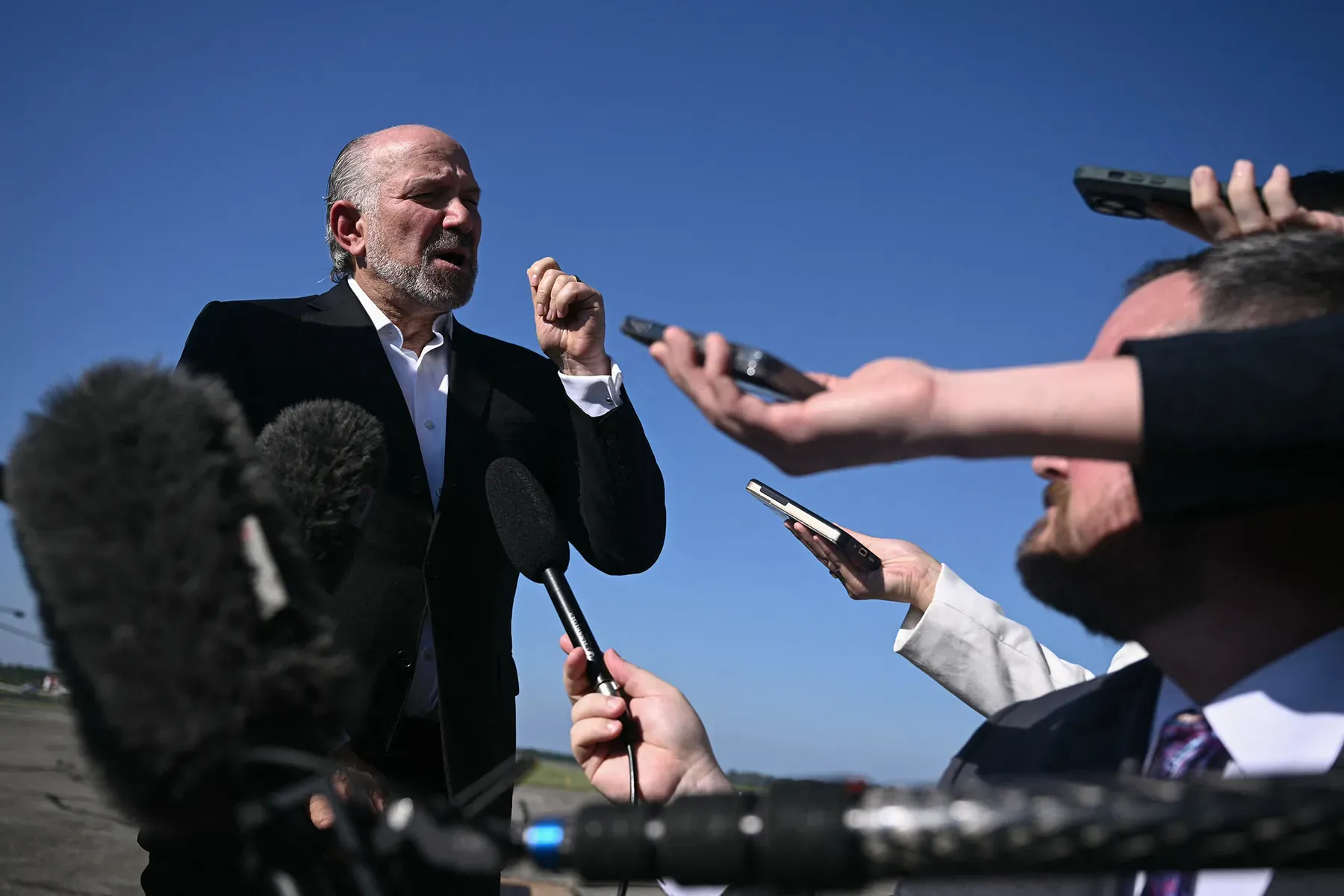
Countries that were sent letters could still negotiate lower rates if they dramatically reduce their tariffs and regulations on U.S. goods, Lutnick said. “Even when he sends a letter, you’ve seen in the letter that he says, if you change the way you treat America, we will listen and we will think about it,” Lutnick said.
도널드 트럼프 전 행정부의 초대 상무부 장관을 지낸 윌버 로스에 따르면, 사실상 세관국경보호국(CBP)이 수요일 마감일까지 상호 관세 대상국 각각에 대해 수천 개의 제품 코드를 통합 관세율표(Harmonized Tariff Schedule)에 업데이트하는 것은 어려웠을 것입니다. 특히 트럼프 대통령이 일부 관세를 새로운 관세율을 부여하는 협상이나 서한을 통해 변경했기 때문입니다.
로스 전 장관은 "CBP가 관세를 시행하는 데 시간이 걸린다"며 7월 9일까지 업데이트해야 했을 많은 코드들을 언급했습니다. 그러나 CBP 대변인은 이러한 주장이 사실이 아니라며, CBP는 "내내 시행 준비가 되어 있었고, 대통령의 어떤 명령에도 준비가 되어 있다"고 반박했습니다.
루트닉은 서한을 받은 국가들도 미국 상품에 대한 관세 및 규제를 극적으로 줄이면 더 낮은 관세율을 협상할 수 있다고 말했습니다. 루트닉은 "그가 서한을 보낼 때조차, 서한에 '미국을 대하는 방식을 바꾸면 우리가 경청하고 고려할 것'이라고 쓰여 있는 것을 보았다"고 덧붙였습니다.
Linda Yaccarino Steps Down as CEO of Elon Musk’s X
https://www.wsj.com/tech/linda-yaccarino-x-ceo-steps-down-1550842e?st=Ac6RLN&reflink=article_copyURL_share
When X hired the former finance chief of Tubi, Reza Banki, as the social-media company’s chief financial officer late last year, he and Yaccarino often butted heads, people familiar with their relationship said.
Banki was a hire supported by Musk and effectively replaced Yaccarino’s previously appointed head of finance for the company. He pressured Yaccarino over costs, specifically over the money she was spending on content deals with celebrities for shows that appear on X, one of the people said.
지난해 말 X가 Tubi의 전 재무 책임자였던 레자 반키(Reza Banki)를 최고재무책임자(CFO)로 영입하면서, 그와 야카리노 CEO는 자주 의견 충돌을 겪었다고 그들의 관계에 정통한 소식통들이 전했습니다.
반키는 머스크가 지지한 영입이었으며, 사실상 야카리노가 이전에 임명했던 회사의 재무 책임자를 교체한 셈이었습니다. 소식통 중 한 명에 따르면, 반키는 야카리노에게 비용 문제, 특히 X에서 방영되는 유명인과의 콘텐츠 계약에 그녀가 지출하는 금액에 대해 압력을 가했습니다.
Rocky start
Musk kept significant control over the platform. He took the title of chief technology officer, while Yaccarino oversaw X’s ad sales and day-to-day business operations.
That often meant navigating life in his shadow, and cleaning up after the bombastic billionaire. At a conference in 2023, Musk declared that advertisers pulling their ads from X could “Go f— yourself.” The incident exacerbated tensions with many ad executives.
머스크는 플랫폼에 대한 상당한 통제권을 유지했습니다. 그는 최고기술책임자(CTO) 직함을 가졌고, 야카리노는 X의 광고 판매와 일상적인 사업 운영을 감독했습니다.
이는 종종 머스크의 그늘에서 지내고 그의 과격한 발언을 수습해야 한다는 것을 의미했습니다. 2023년 한 콘퍼런스에서 머스크는 X에서 광고를 철회하는 광고주들에게 "엿 먹어라"라고 말했습니다. 이 사건은 많은 광고 임원들과의 긴장을 더욱 고조시켰습니다.
Signs of progress
Some of Yaccarino’s strategy worked; X began to show some financial improvements at the start of this year.
야카리노의 전략 중 일부는 효과를 보였고, X는 올해 초부터 재무적으로 일부 개선된 모습을 보이기 시작했습니다.
Earlier this year, Yaccarino was part of the company’s fundraising efforts, attending an investor presentation at Morgan Stanley’s headquarters to hype the company’s potential. She delivered prewritten remarks and shied away from direct questions from the audience, leaving those to the bankers running the deal.
올해 초, 야카리노는 회사의 자금 조달 노력에 참여했으며, 모건 스탠리 본사에서 열린 투자자 설명회에 참석하여 회사의 잠재력을 홍보했습니다. 그녀는 미리 작성된 발표를 진행했으며, 청중의 직접적인 질문은 피하고, 그러한 질문들은 거래를 담당하는 은행가들에게 맡겼습니다.
바지사장일 줄은 알았지만 일주일에 한 번씩 와서 다 들쑤셔놓고 나가니 오래 버틸 리가
How Nvidia Became the World’s First $4 Trillion Company
https://www.wsj.com/tech/ai/nvidia-nvda-4-trillion-market-cap-466c1c9c?st=QiWV1z&reflink=article_copyURL_share
Italian candy maker Ferrero in talks for storied US cereal maker Kellogg’s
https://www.ft.com/content/34db0347-52d9-4cf8-a811-29f502217fd1
Ferrero, the family-owned Italian food group behind Ferrero Rocher, TicTac and Kinder sweets, is in advanced discussions to buy the storied American breakfast cereal company WK Kellogg in a deal worth up to $3bn.
The takeover could be announced as soon as this week and values the company behind Kellogg’s Corn Flakes, Rice Krispies and Froot Loops as much as double its $1.5bn market value, according to two people familiar with the matter. There were no guarantees that a deal was clinched and timelines could slip, they added.
It comes as the food industry grapples with changing consumer habits where a flight towards healthier options, driven in part by the boom in usage of weight loss drugs, has forced manufacturers, particularly sweets companies, to alter their strategy.
페레로 로쉐, 틱택, 킨더 스위트 등을 생산하는 이탈리아 가족 소유 식품 그룹 페레로(Ferrero)가 미국의 유서 깊은 아침 시리얼 회사인 WK 켈로그(WK Kellogg)를 최대 30억 달러에 인수하는 방안을 놓고 심도 있는 논의를 진행 중입니다.
이 사안에 정통한 두 소식통에 따르면, 콘플레이크, 라이스 크리스피, 푸르트 루프스 등을 생산하는 이 회사의 인수는 이르면 이번 주에 발표될 수 있으며, 이는 WK 켈로그의 현재 시장 가치 15억 달러의 두 배에 달하는 금액입니다. 그러나 거래가 성사될 것이라는 보장은 없으며, 기한이 연기될 수도 있다고 이들은 덧붙였습니다.
이번 인수는 체중 감량 약물 사용 급증으로 인한 더 건강한 선택 선호 현상으로 식품 산업이 변화하는 소비자 습관에 고심하고 있는 가운데 이루어졌습니다. 이러한 변화는 특히 제과 회사들에게 전략을 변경하도록 압박하고 있습니다.
WK Kellogg was spun off as a North American cereal specialist by parent company Kellogg Co, which renamed itself Kellanova and retained snacks brands such as Pop-Tarts and Pringles. Food giant Mars agreed to acquire Kellanova last year in a $36bn deal that is now facing antitrust scrutiny from European regulators.
WK 켈로그(WK Kellogg)는 북미 시리얼 전문 기업으로, 모회사인 켈로그 컴퍼니(Kellogg Co)로부터 분사되었습니다. 켈로그 컴퍼니는 켈라노바(Kellanova)로 사명을 변경하고 팝타르트(Pop-Tarts)와 프링글스(Pringles)와 같은 스낵 브랜드를 보유했습니다. 식품 대기업 마스(Mars)는 작년에 켈라노바를 360억 달러에 인수하기로 합의했으나, 이 거래는 현재 유럽 규제 당국의 반독점 심사를 받고 있습니다.
Ferrero, which generated revenue of €18.4bn in the 12 months to the end of August last year, has been pushing to expand in the US, according to TD Cowen analyst Robert Moskow. In part it has achieved this through acquisitions: buying ice cream maker Well Enterprises in 2022, Nestlé’s confectionery ...