It’s been a puzzling phenomenon for a while now: Bolivia is facing a crippling dollar shortage, a local currency crisis and surging inflation — and yet it’s still honoring its debts.
A visit to Cangalli, one of hundreds of mines carving gold out of the lush Amazon basin north of La Paz, helps explain it. Here, under the world’s largest rainforest, the central bank has found a way to raise billions of dollars to help pay back international bondholders with the nation’s debt trading at distressed levels ahead of hotly contested general elections this coming weekend.
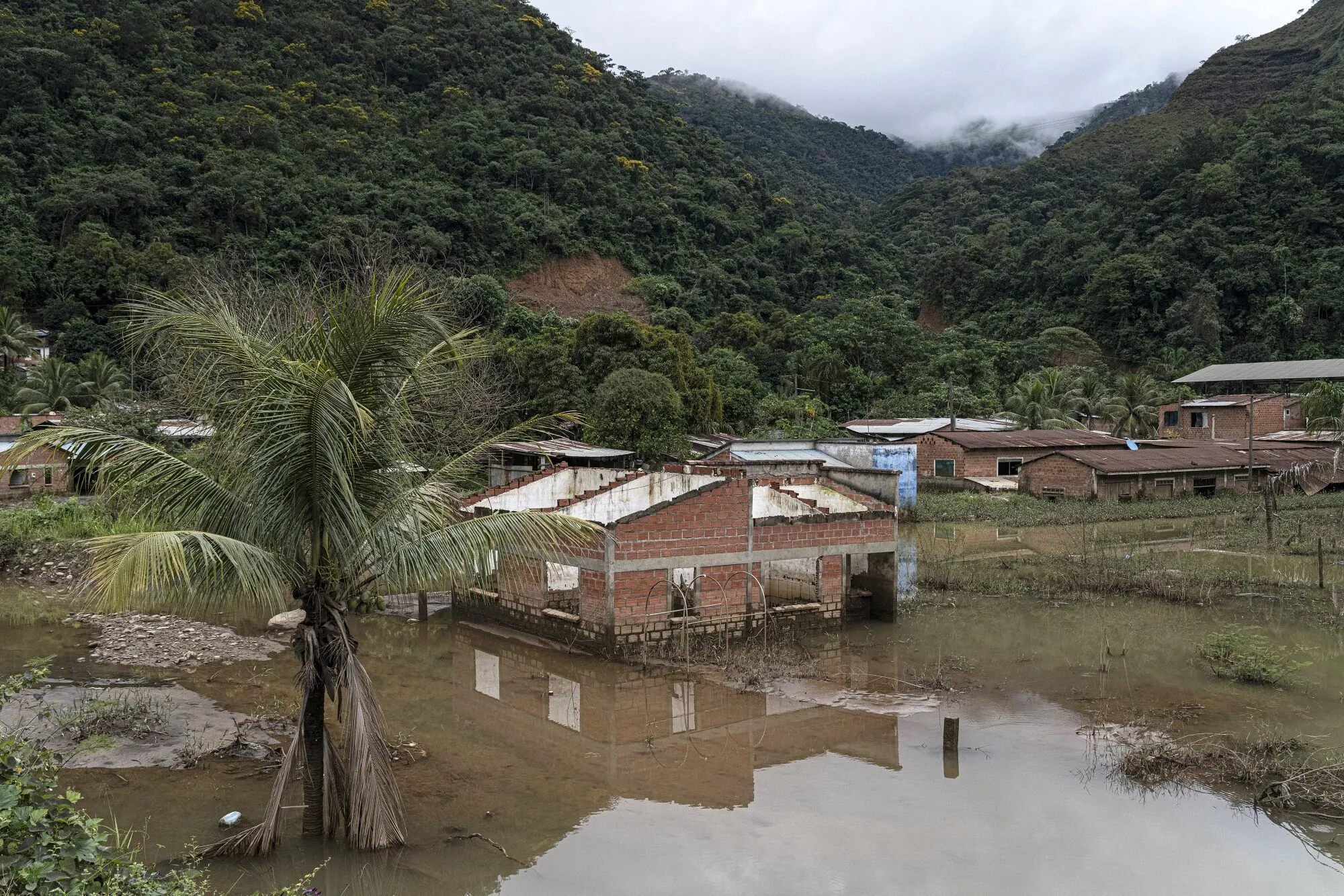
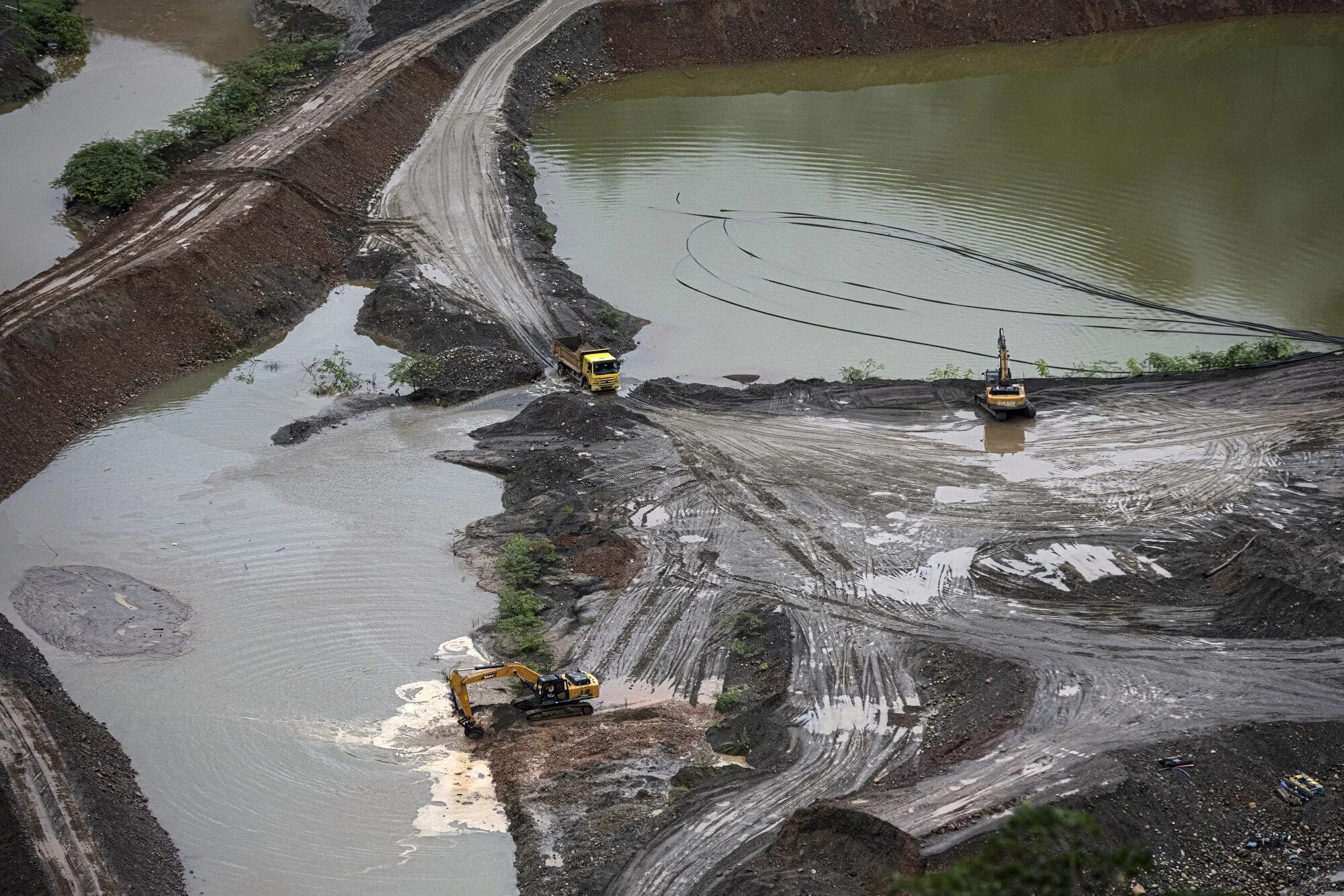
The tripling of international gold prices in the past decade has accelerated a shift from centuries-old panning practices — in which artisans used shovels, picks and even their bare hands to sift through river sediment — to industrial operations that are reshaping the riverbank and flooding homes, schools and businesses. Some of the excavators, front loaders and dump trucks that rumble through Cangalli’s eroded landscape are owned by a Chinese company that’s set up camp in the area.
One of the biggest buyers in this gold rush is Bolivia’s central bank, which received congressional approval to exchange the gold for hard currency at a time of record prices. Even Finance Minister Marcelo Montenegro has acknowledged the economic benefits, telling reporters in February that the bullion is helping the country meet foreign debt obligations and finance fuel imports.
It’s a critical lifeline for Bolivia, where financial challenges persist. The unpopular leftist government is grappling with the deepest economic crisis in decades as its natural gas bonanza peters out, fuel subsidies drain coffers and the currency tumbles on the black market. Sporadic protests have blocked highways this year, aggravating shortages of gasoline and cooking oil.
볼리비아는 심각한 달러 부족, 현지 통화 위기, 치솟는 인플레이션에 직면해 있으면서도 여전히 채무를 이행하고 있습니다. 이는 한동안 풀리지 않는 수수께끼였습니다.
라파스 북부의 울창한 아마존 분지에서 금을 채굴하는 수백 개의 광산 중 하나인 칸갈리(Cangalli)를 방문하면 그 이유를 알 수 있습니다. 이번 주말 치열한 총선을 앞두고 국가 부채가 부실 채권 수준에서 거래되고 있는 가운데, 볼리비아 중앙은행은 세계 최대의 열대우림 아래에서 국제 채권 보유자에게 수십억 달러를 상환할 방법을 찾아냈습니다.
지난 10년간 국제 금값이 세 배로 뛰면서, 수 세기 동안 장인들이 삽, 곡괭이, 심지어 맨손으로 강바닥 퇴적물을 걸러내던 전통적인 채굴 방식에서, 강둑의 모습을 바꾸고 주택, 학교, 기업을 침수시키는 산업적 운영으로 전환이 가속화되었습니다. 칸갈리의 침식된 지형을 으르렁거리며 지나가는 굴착기, 프론트 로더, 덤프트럭 중 일부는 이 지역에 진을 친 중국 회사가 소유하고 있습니다.
이 골드러시에서 가장 큰 구매자 중 하나는 볼리비아 중앙은행으로, 사상 최고가일 때 금을 경화로 교환하도록 의회의 승인을 받았습니다. 마르셀로 몬테네그로 재무장관조차 이러한 경제적 이점을 인정하며, 지난 2월 기자들에게 금이 국가의 외채 의무를 이행하고 연료 수입 자금을 조달하는 데 도움이 되고 있다고 말했습니다.
천연가스 호황이 시들고, 연료 보조금이 국고를 고갈시키며, 암시장에서 통화 가치가 폭락하면서 수십 년 만에 가장 깊은 경제 위기를 겪고 있는 인기 없는 좌파 정부에게 금은 중요한 생명줄입니다. 올해 산발적인 시위로 고속도로가 막히면서 휘발유와 식용유 부족 사태가 심화되었습니다.
Of all the Latin American nations tracked by S&P Global Ratings and Fitch Ratings, Bolivia has the worst-rated dollar debt. Moody’s Ratings has Bolivia at Ca, the second-lowest rating in its scale, which it defines as “likely in, or very near, default.” In June, S&P attributed its rating to Bolivia’s “reduced reserve levels” and its “weak capacity to fully meet its debt commitments over the next six to 12 months.” Bolivia’s surprising ability to continue paying its debt, along with election optimism, has helped lift its most liquid international bonds to 78 cents on the dollar from 61 cents at the start of 2025.
Bolivia’s strategy is one employed by countries including Mongolia and Ecuador — and something a group of lawmakers in neighboring Peru are pushing for. In the World Gold Council’s latest central bank survey, 17% of respondents indicated they buy gold directly from artisanal and small-scale gold miners in their countries.
In economically struggling Bolivia, the country isn’t just using the gold rush as a means to bolster its international reserves but more as a way to keep honoring its international debt, according to ratings agencies. “The central bank has relied on purchases of local gold,” Fitch said in a report this year, “which it has then refined abroad and liquidated, to meet external debt service” payments.
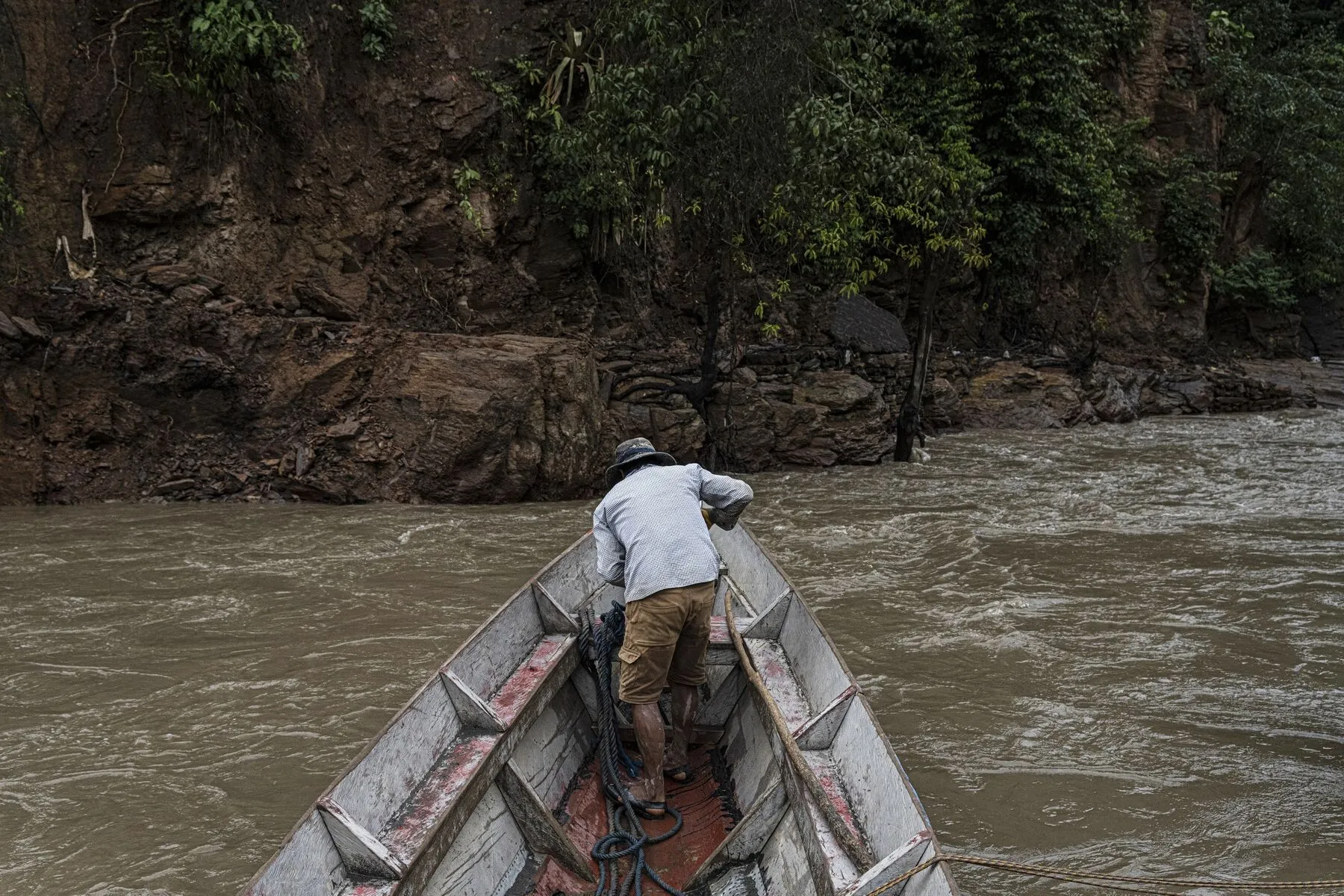
But there’s little transparency on where and how the metal is actually mined and processed, and where it ends up, according to dozens of miners, traders, researchers and residents in a supply chain that stretches from Bolivia’s Amazonian rivers, to refineries in Turkey, and finally to vaults in London.
Bolivian authorities say the gold the central bank buys is legal, and produced and marketed responsibly — and the central bank has the documentation to show it. But according to those interviewed the industry is fraught with lax regulation and oversight, dirty practices like using mercury, flimsy paperwork and a growing black market, including the illegal presence of foreign financiers.
“The central bank is interested in buying gold and it doesn’t care where it comes from,” said Danilo Bocángel, who heads Foundation Medmin, a local non-governmental organization that fosters sustainable mining practices.
The central bank has bought almost 24 metric tons of locally produced metal and monetized 44 tons since May 2023, according to its latest data from April, in transactions worth more than $3 billion. It’s gone on to deposit and invest 19 tons abroad — mostly with UBS AG and Standard Chartered Plc, but also with China’s ICBC and JPMorgan Chase & Co., among others. Another ton was in central bank vaults, while 3 tons were being refined. Standard Chartered and JPMorgan declined to comment. ICBC didn’t respond. UBS said it only accepts gold refined by London Bullion Market Association-approved refiners, known as the London Good Delivery List, which includes the refiner being used by Bolivia’s central bank.
It’s unclear for how long the program will remain sustainable, as a widening gap between the official and parallel currency exchange rates undermines its appeal for sellers.
S&P 글로벌 레이팅스와 피치 레이팅스가 추적하는 라틴 아메리카 국가들 중 볼리비아는 달러 채권 등급이 가장 낮습니다. 무디스 레이팅스는 볼리비아의 등급을 '채무 불이행 가능성이 높거나 매우 임박했다'고 정의하는 두 번째로 낮은 등급인 Ca로 평가하고 있습니다. 지난 6월, S&P는 볼리비아의 신용 등급을 '준비금 수준 감소'와 '향후 6~12개월 동안 부채 약속을 완전히 이행할 수 있는 역량 부족' 때문이라고 밝혔습니다. 선거에 대한 낙관론과 더불어 볼리비아가 놀랍게도 채무를 계속 상환할 수 있었던 덕분에, 가장 유동적인 국제 채권 가격은 2025년 초 1달러당 61센트에서 78센트로 상승하는 데 도움이 되었습니다.
볼리비아의 전략은 몽골과 에콰도르를 포함한 여러 국가에서 사용되는 방식이며, 이웃 국가인 페루의 일부 국회의원들도 추진하고 있는 것입니다. 세계 금 협회의 최근 중앙은행 설문 조사에 따르면, 응답자의 17%가 자국 내 장인 및 소규모 금 광부들로부터 금을 직접 구매한다고 답했습니다.
경제적으로 어려움을 겪고 있는 볼리비아에서는 국제 준비금을 강화하는 수단뿐만 아니라 국제 채무를 계속 이행하는 방법으로 금 채굴 붐을 이용하고 있다고 신용 평가 기관들은 말합니다. 피치는 올해 보고서에서 "중앙은행은 국내 금 매입에 의존해왔다"며, "이를 해외에서 정제하고 청산하여 대외 채무 상환을 충당했다"고 밝혔습니다.
하지만 볼리비아의 아마존 강에서 터키의 정제소, 그리고 최종적으로 런던의 금고에 이르는 공급망에 속한 수십 명의 광부, 상인, 연구원, 주민들에 따르면, 금이 실제로 어디서, 어떻게 채굴되고 가공되며, 어디로 가는지에 대한 투명성이 거의 없습니다.
볼리비아 당국은 중앙은행이 구매하는 금이 합법적이며 책임감 있게 생산 및 판매되고 있으며, 중앙은행은 이를 입증할 서류를 가지고 있다고 말합니다. 그러나 인터뷰에 응한 사람들에 따르면, 이 산업은 느슨한 규제와 감독, 수은 사용과 같은 불법적인 관행, 허술한 서류 작업, 그리고 불법적인 외국인 금융업자들의 존재를 포함한 암시장의 성장이 만연해 있습니다.
지속 가능한 채굴 관행을 장려하는 현지 비영리 단체인 파운데이션 메드민(Foundation Medmin)을 이끄는 다닐로 보캉헬은 "중앙은행은 금을 사는 데 관심이 있고, 그 금이 어디서 오는지 신경 쓰지 않는다"고 말했습니다.
중앙은행의 지난 4월 최신 데이터에 따르면, 2023년 5월 이후 거의 24톤의 국내 생산 금을 매입하고 44톤을 현금화했으며, 이는 30억 달러 이상의 가치입니다. 이 금은 해외에 예치 및 투자되었는데, 주로 UBS AG 및 스탠다드차타드 은행에, 그리고 중국의 ICBC와 JP모건 체이스 등에도 예치 및 투자되었습니다. 다른 1톤은 중앙은행 금고에 있었고, 3톤은 정제 중이었습니다. 스탠다드차타드와 JP모건은 논평을 거부했습니다. ICBC는 응답하지 않았습니다. UBS는 런던 금 시장 협회(London Bullion Market Association)가 승인한 정제소(볼리비아 중앙은행이 이용하는 정제소도 포함)에서 정제된 금만 받는다고 말했습니다.
공식 환율과 암시장 환율 간의 격차가 커져 판매자들에게 매력이 떨어지면서, 이 프로그램이 얼마나 오랫동안 지속될 수 있을지는 불분명합니다.
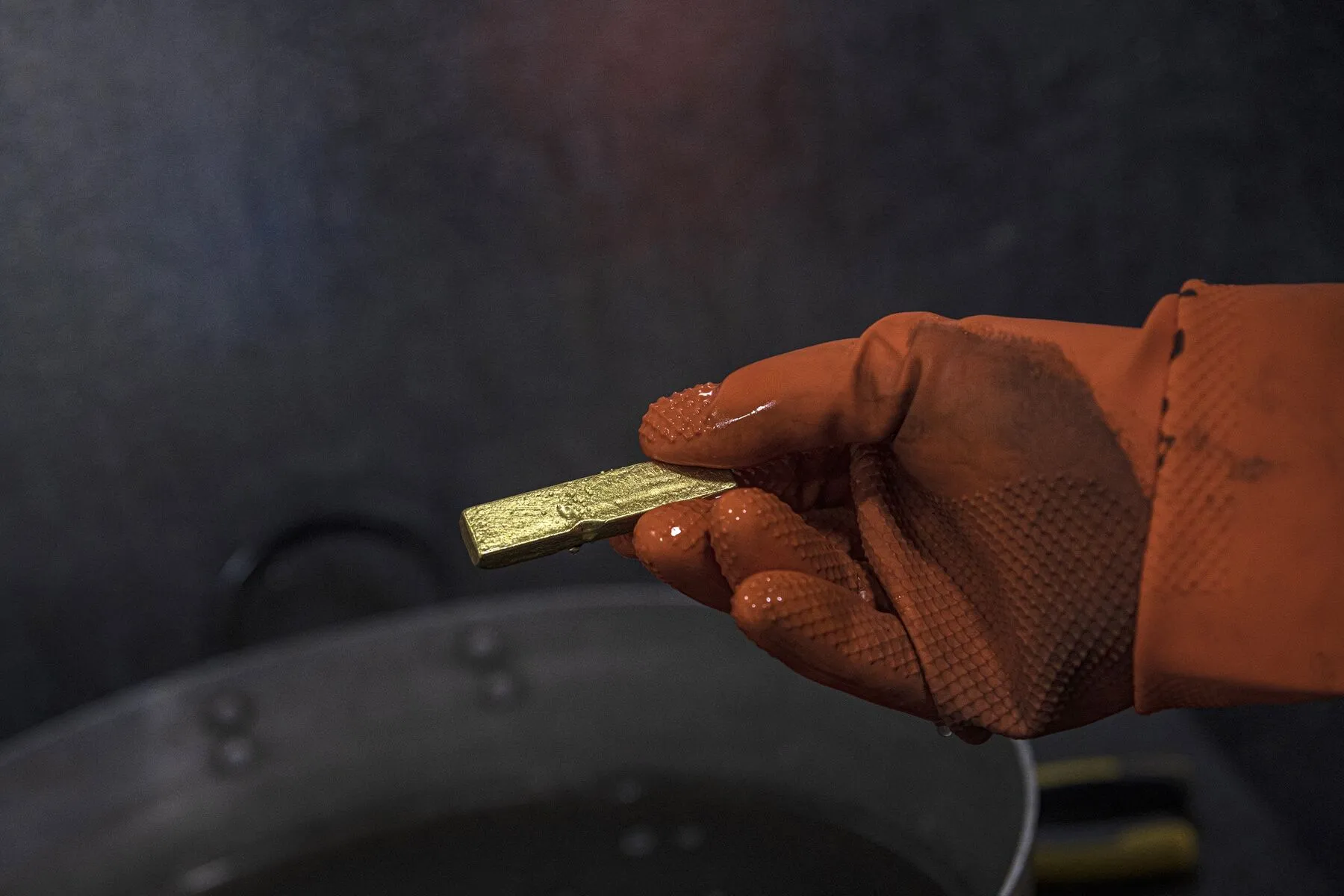
Authorities release few details on commercial terms and funding of the state’s purchases, although it does have to offer a premium over the official exchange rate in order to compete with private buyers. Several economists and former central bankers allege the bank prints money to help plug that gap, thereby putting further pressure on inflation already at its highest in decades. The former central bankers asked not to be identified due to internal regulations.
Bolivia’s central bank said in a statement that it buys the gold exclusively in local currency and mostly from cooperatives grouping small-scale miners. It said it relies on other state agencies to certify the legality of the gold. It declined to identify who refines the bullion. And it didn’t answer questions on whether it had printed money in order to fund its gold purchases.
President Luis Arce told Bloomberg in a June interview that he was unable to provide details of central bank gold operations, saying only that “we have been using the gold reserves according to current regulations to leverage resources that come to the country.”
Either way, Bolivia is strapped for cash, with a...