Wall Street Got the Rally Signals From Powell It Was Hoping For
For much of this month, Wall Street traders piled into stocks and bonds, betting that the Federal Reserve was finally ready to start cutting interest rates again. All they were waiting on was the green light from Jerome Powell to keep the rally going.
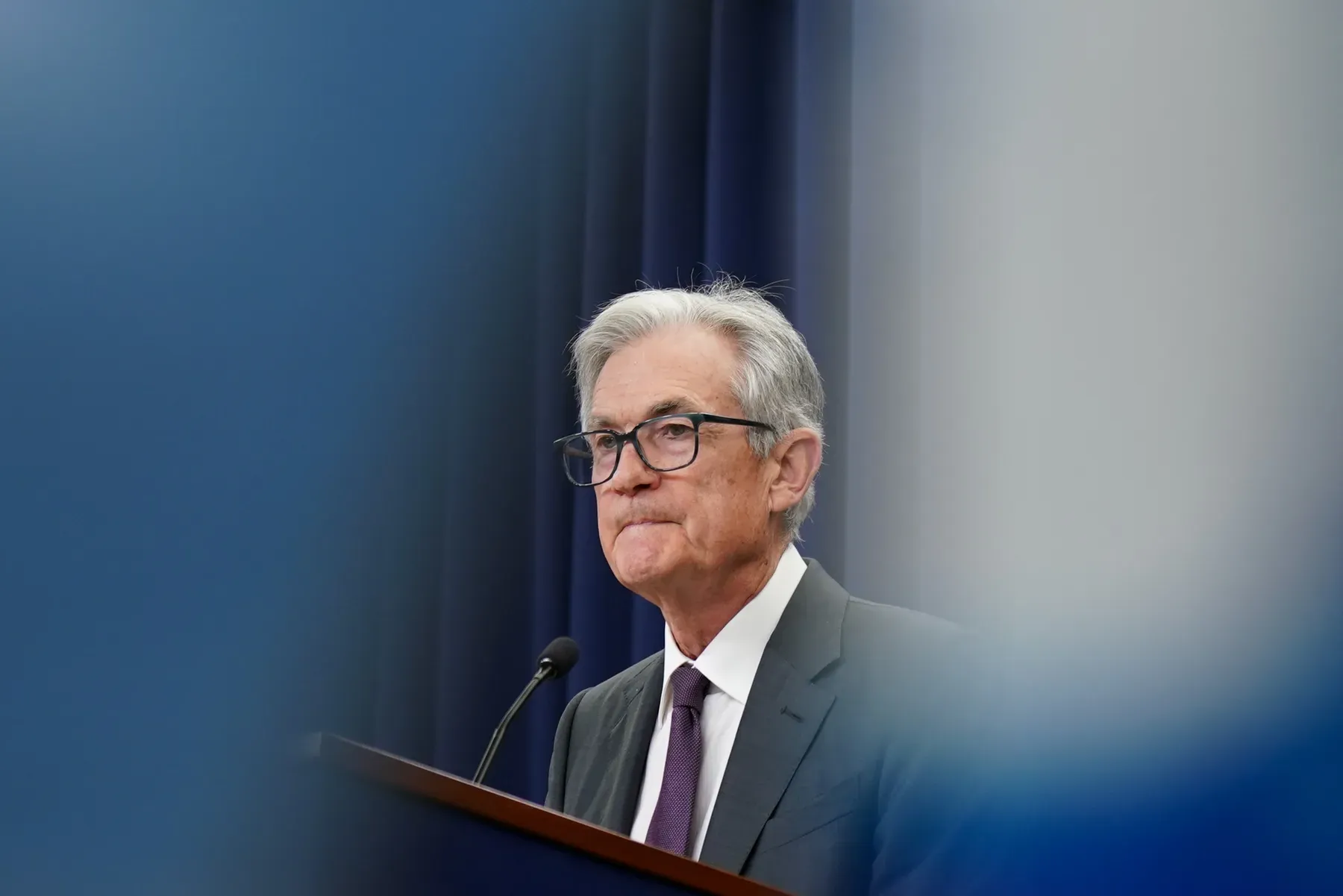
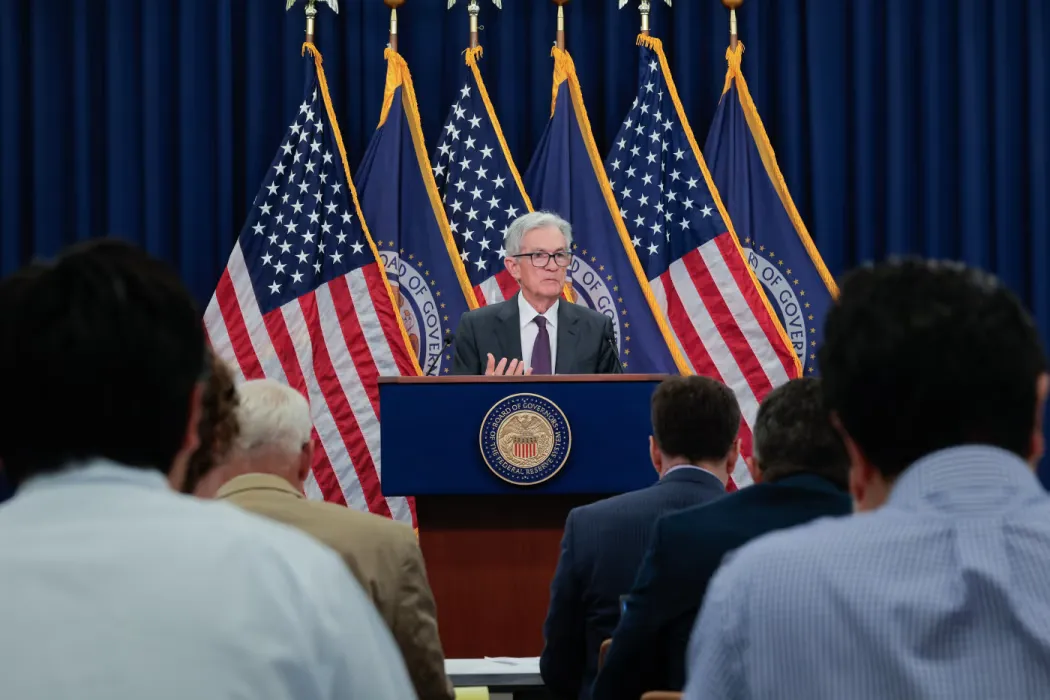
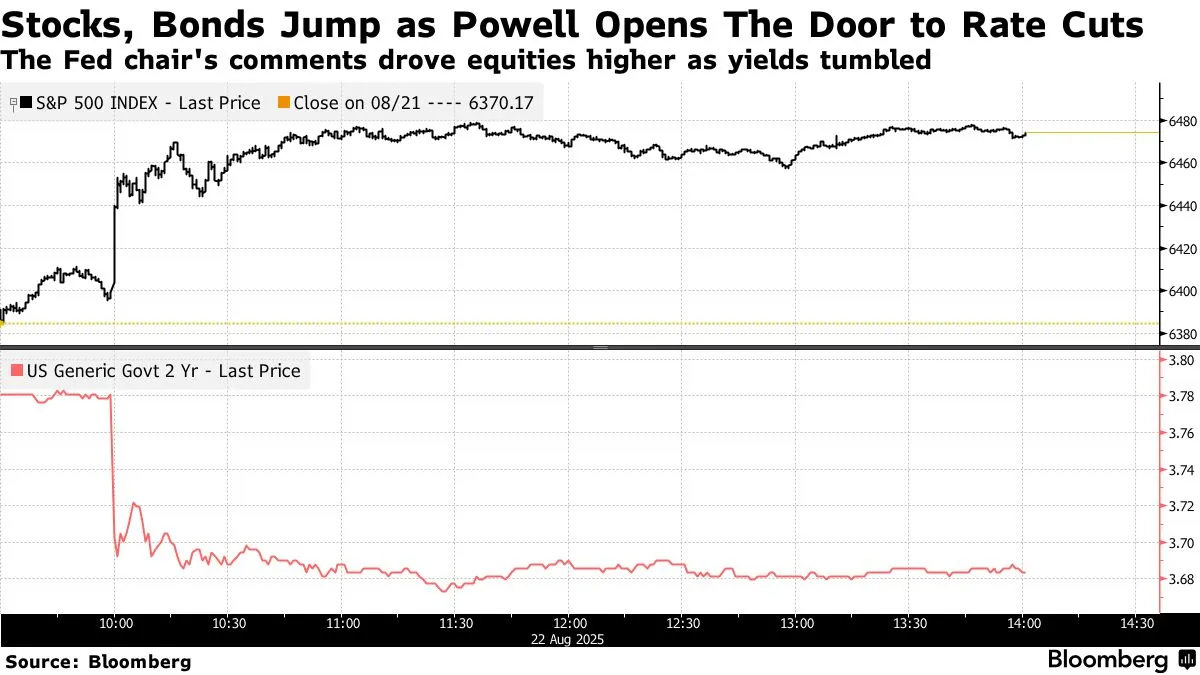
They got exactly what they were looking for on Friday, when the Fed Chair unleashed the biggest cross-markets surge since April by striking a dovish tone during a highly anticipated speech.
Treasuries rallied, driving two-year yields down as much as 12 basis points, and futures traders started made bets that a September rate cut is very likely after Powell said the “shifting balance of risks may warrant adjusting our policy stance.”
이달 들어 상당 기간 월스트리트 트레이더들은 연방준비제도(연준)가 마침내 다시 금리 인하를 시작할 준비가 되었다는 데 베팅하며 주식과 채권에 몰려들었다. 그들이 랠리를 이어가기 위해 기다리고 있던 것은 오직 제롬 파월 의장으로부터의 청신호뿐이었다.
그들은 금요일, 연준 의장이 매우 기대가 컸던 연설에서 비둘기파적인 어조를 취하며 4월 이후 가장 큰 시장 전반의 급등을 촉발했을 때, 정확히 원하던 것을 얻었다.
국채 가격이 급등하여 2년물 수익률이 최대 12 베이시스 포인트까지 하락했으며, 파월 의장이 "변화하는 위험의 균형이 우리의 정책 입장을 조정하는 것을 정당화할 수 있다"고 말한 후 선물 트레이더들은 9월 금리 인하 가능성이 매우 높다는 데 베팅하기 시작했다.
Powell’s speech at the annual Jackson Hole, Wyoming, symposium was eagerly awaited by financial markets, which early this month started pricing in near certainty that the Fed would cut interest rates by a quarter percentage point at next month’s meeting, the first reduction since December. With the job market losing steam, some options traders even bet on a half-point move — the sort of cut typically reserved for emergencies.
The speculation fanned risk sentiment across markets, propelling stocks to new record highs through late last week, despite concerns that President Donald Trump’s trade war is slowing the economy and worries that the Big Tech stocks driving the gains have run up too far. By April 14, the S&P 500 had rallied 30% off its early-April lows, when Trump’s tariff rollout briefly sent markets into a tailspin, largely due to the torrid advance of companies like Nvidia Corp. that are profiting from a surge of spending on artificial intelligence.
But over the last several days, doubts about the Fed’s next move started seeping in and some central bank officials warned a September cut wasn’t certain. The rally stalled after the government reported that wholesale inflation in July jumped by the most in three years, reigniting fears that stagflation could limit the central bank’s room to cut rates. That pulled the S&P 500 down for the five-straight days through Thursday and pushed up Treasury yields.
와이오밍주 잭슨홀 연례 심포지엄에서 행해진 파월 의장의 연설은 금융 시장이 간절히 기다려온 것이었다. 금융 시장은 이달 초부터 연준이 다음 달 회의에서 금리를 0.25%포인트 인하할 것이라는 점을 거의 확실하게 가격에 반영하기 시작했는데, 이는 지난 12월 이후 첫 인하가 될 것이었다. 고용 시장이 동력을 잃으면서 일부 옵션 트레이더들은 통상적으로 비상시에나 단행되는 0.5%포인트 인하에 베팅하기도 했다.
이러한 추측은 도널드 트럼프 대통령의 무역 전쟁이 경제를 둔화시키고 있다는 우려와 상승을 주도하는 빅테크 주식들이 너무 많이 올랐다는 걱정에도 불구하고, 시장 전반에 걸쳐 위험 선호 심리를 부추겨 지난주 후반까지 주가를 사상 최고치로 끌어올렸다. 트럼프의 관세 부과가 잠시 시장을 혼란에 빠뜨렸던 4월 초 저점에서 S&P 500 지수는 4월 14일까지 30%나 급등했는데, 이는 주로 인공지능에 대한 지출 급증으로 이익을 보고 있는 엔비디아와 같은 기업들의 맹렬한 상승세 덕분이었다.
하지만 지난 며칠 동안 연준의 다음 행보에 대한 의구심이 스며들기 시작했고, 일부 중앙은행 관계자들은 9월 인하가 확실하지 않다고 경고했다. 정부가 7월 도매 물가가 3년 만에 가장 큰 폭으로 급등했다고 발표한 후 랠리는 주춤했으며, 이는 스태그플레이션이 중앙은행의 금리 인하 여력을 제한할 수 있다는 두려움을 다시 불러일으켰다. 그 여파로 S&P 500 지수는 목요일까지 5거래일 연속 하락했고 국채 수익률은 상승했다.
That reversed after Powell signaled that the Fed is prepared to change course, echoing what happened a year ago at the Jackson Hole event, when he telegraphed that the central bank was poised to start pulling rates back from a more than two-decade high.
이는 파월 의장이 연준이 방향을 바꿀 준비가 되어 있음을 시사한 후 반전되었다. 이는 1년 전 잭슨홀 행사에서 그가 중앙은행이 20여 년 만의 최고치에서 금리를 다시 내릴 준비가 되었다고 예고했을 때 일어났던 일을 연상시킨다.
The Fed has remained on hold in 2025 as Trump’s policy shifts amplified the uncertainty in the economic outlook, leaving Powell trying to balance the risk of reaccelerating inflation against a slowdown in growth.
While the employment figures earlier this month showed that the job market was weaker than had been expected, other indicators point to some economic strengths and corporate earnings have continued to bolster the stock market’s optimism.
트럼프의 정책 변화가 경제 전망의 불확실성을 증폭시키면서 연준은 2025년에 금리를 동결해왔고, 이로 인해 파월 의장은 인플레이션 재가속 위험과 성장 둔화 사이에서 균형을 잡으려 노력해왔다.
이달 초 고용 지표가 예상보다 고용 시장이 약화되었음을 보여주었지만, 다른 지표들은 일부 경제적 강점을 가리키고 있으며 기업 실적은 주식 시장의 낙관론을 계속해서 뒷받침해왔다.
The markets have been caught offsides by prematurely anticipating a Fed pivot several times since the pandemic, and Powell has consistently underscored that the bank is taking a data-dependent approach, making it still difficult to predict how deeply the central bank will cut over the next several months.
시장은 팬데믹 이후 여러 차례 연준의 정책 전환(피벗)을 섣불리 예상하다 허를 찔렸으며, 파월 의장은 중앙은행이 데이터에 의존하는 접근법을 취하고 있음을 지속적으로 강조해왔다. 이로 인해 중앙은행이 앞으로 몇 달 동안 얼마나 깊게 금리를 인하할지 예측하기는 여전히 어렵다.
US Allies in Asia Grapple With Once-Unthinkable Options
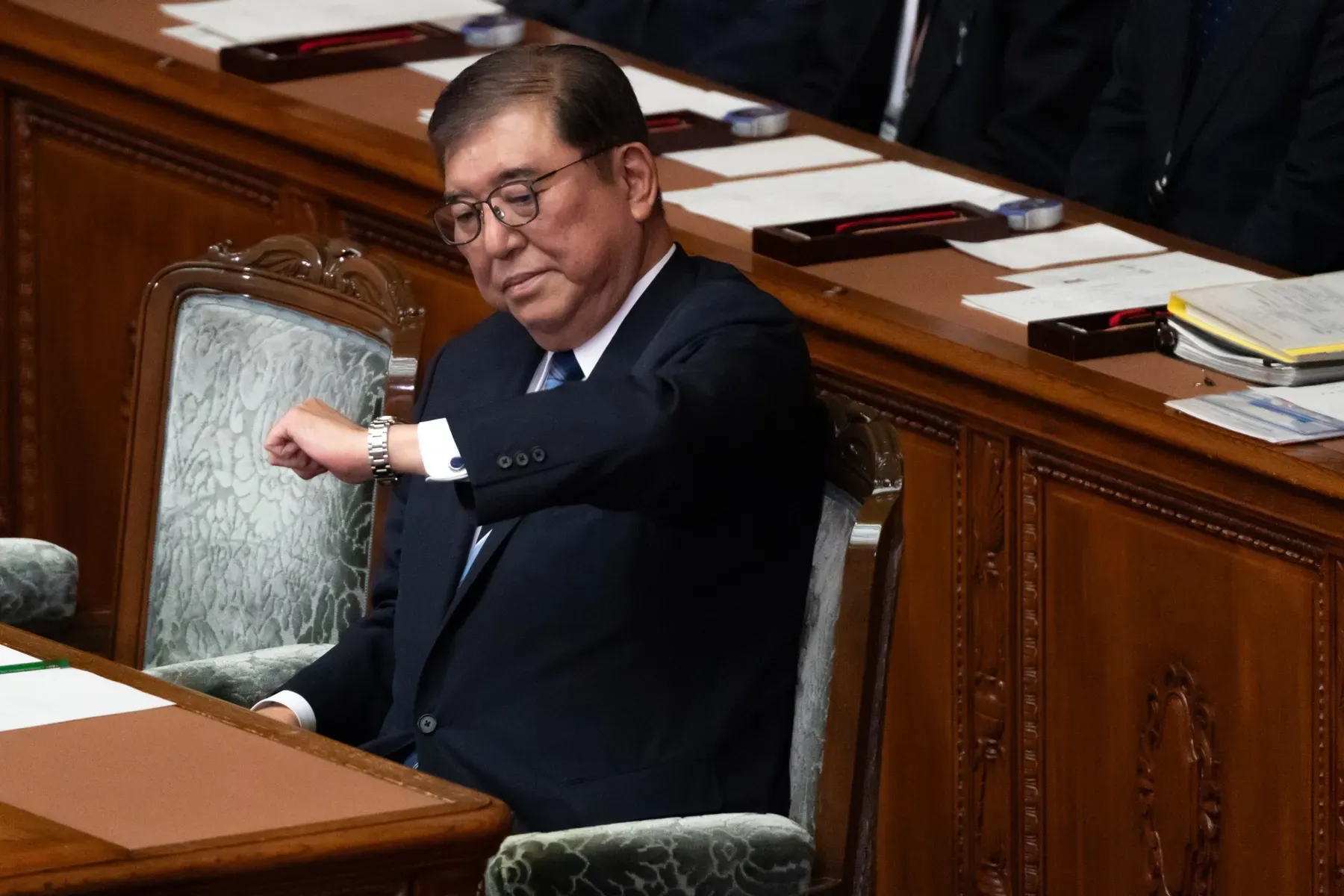
But Trump’s far more capricious behavior in his second term, including hitting Japan with 15% tariffs, has taken a toll. While the levy is one of the better outcomes of Trump’s chaotic trade war, it’s far removed from the zero rate Japan argued for as a close ally and the largest foreign investor in the US. The lengthy and at times bad-tempered negotiations undermined current leader Shigeru Ishiba, who’s now fighting to keep his job after his ruling coalition lost control of Japan’s upper house in July elections.
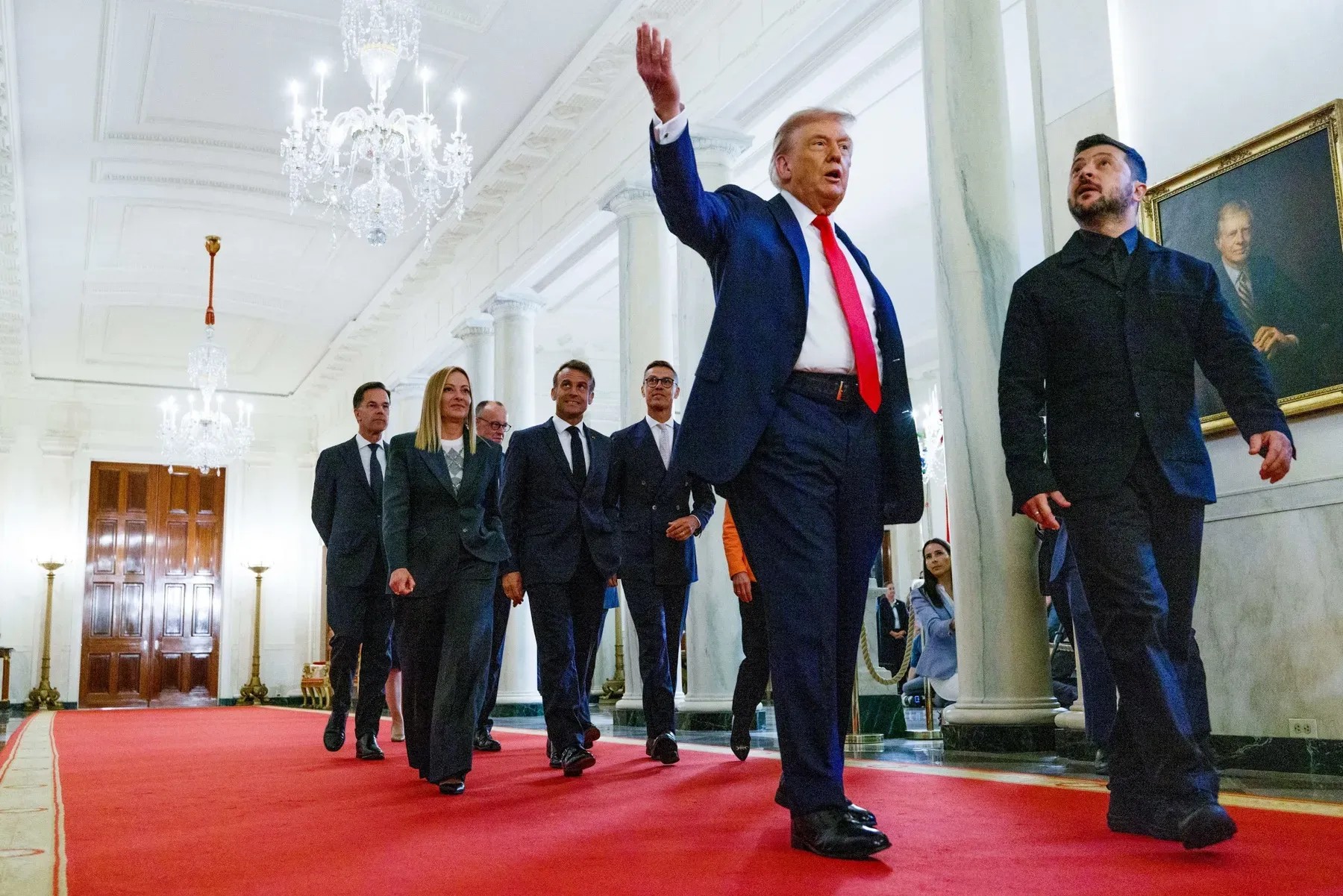
Meanwhile, Trump’s handling of the Ukraine crisis has become a barometer of his ability to work with allies and put collective security interests ahead of his impulse to strike grand bargains.
Against this backdrop, there is a growing debate in Japan about the need for strategic independence. Even the once-taboo topic of atomic weapons has been raised by a fast-growing opposition party amid concerns about the reliability of the US nuclear umbrella.
Japan has long been the most dependable US ally in East Asia, a vital bulwark against China and a base from which the US military can project its power across the Pacific, including in any potential conflict over Taiwan. That such a debate is taking place shows the extent to which Trump has eroded US ...